A tyre blowout can turn an ordinary drive into a dangerous situation within seconds. The sudden loss of pressure, loud noise and change in vehicle handling can be unsettling, but knowing how to respond calmly can help maintain control and reduce the risk of further danger. For motorists choosing tyres in Campsie, understanding how to react to a blowout and what to check afterwards is an important part of staying safe on the road.
Kar Pro Tyre & Auto helps drivers understand the importance of tyre condition, correct pressure and regular inspections in preventing sudden tyre failures. Knowing how to safely slow down, move off the road and assess the damaged tyre can help protect the vehicle, its occupants and other road users while making it easier to determine whether professional assistance is needed.
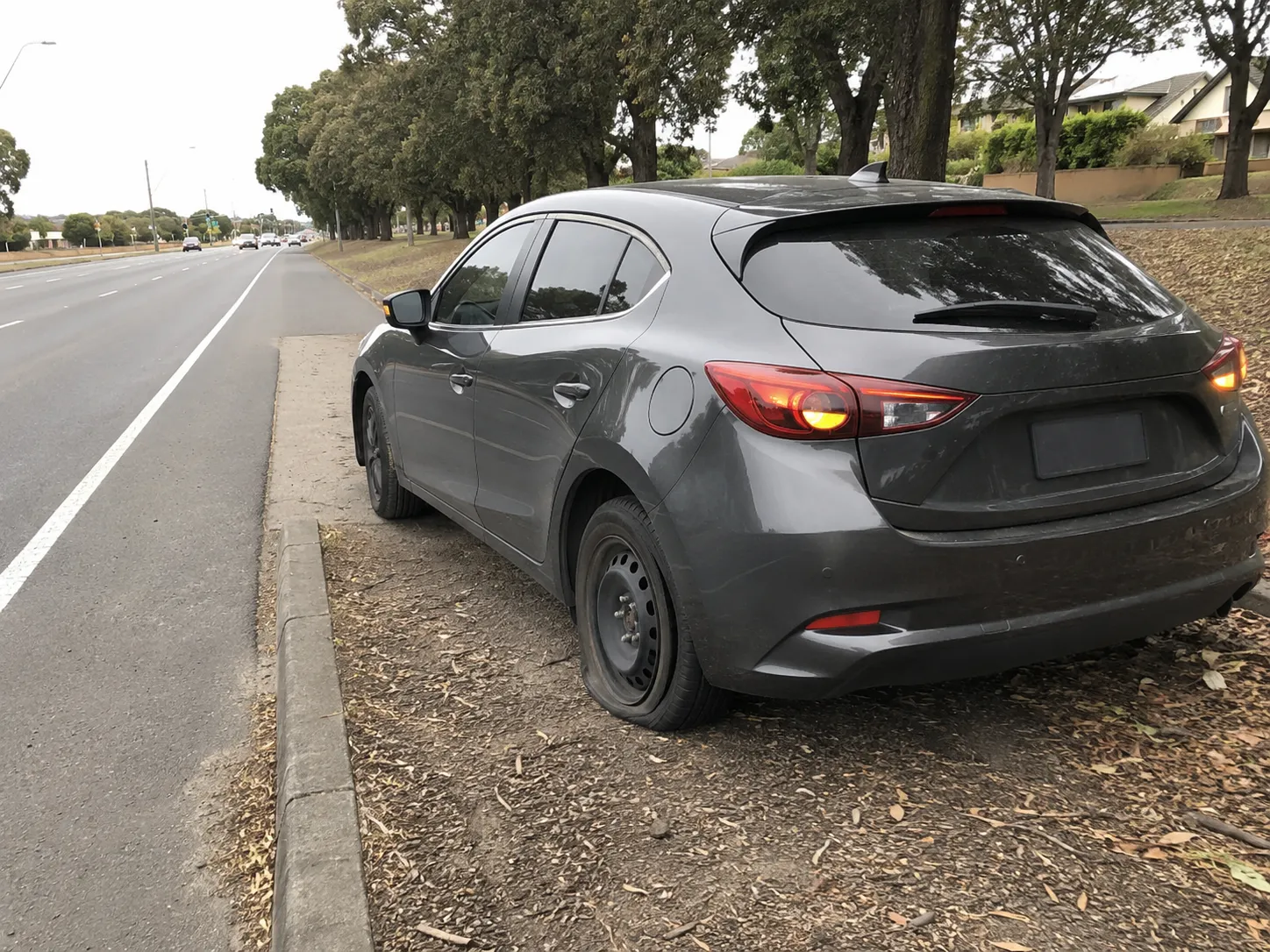
A tyre blowout can cause sudden vibration, pulling or instability at higher speeds. The priority is to keep control of the vehicle and avoid sudden reactions that could make the situation worse. If a blowout occurs:
Once safely off the road, switch on the hazard lights and assess the situation before deciding whether to change the tyre or call for assistance. Even if the vehicle remains driveable, continuing to drive on a damaged tyre can cause further damage to the wheel, suspension or steering.
Once the vehicle is safely off the road, the priority is to make the area safe, assess the damage and decide whether the tyre can be changed or professional assistance is needed. Turn on the hazard lights, engage the handbrake and keep passengers away from moving traffic. If it is unsafe to exit the vehicle, remain inside with seatbelts secured and wait for help.
From a safe position, check the damaged tyre for sidewall splits, shredded rubber, embedded objects or signs of rim damage. Briefly inspect the other tyres as well if the blowout followed a pothole or impact. Also look for a bent wheel, leaking fluids, unusual suspension position or scraping and burning smells. Any of these signs can indicate damage that makes driving unsafe.
If the vehicle is fully off the road on firm, level ground and the correct spare, jack and tools are available, a tyre change may be possible. However, do not attempt it on a busy road, narrow shoulder, uneven surface or in poor conditions. Roadside assistance is the safer option if:
If professional help is required, provide the vehicle's location and details of the tyre damage when calling. While waiting, stay as far from traffic as possible and keep the hazard lights on.
After a blowout, deciding whether to fit the spare or call for roadside assistance depends on the location, vehicle condition, available equipment and confidence with changing a tyre. Safety should always come before convenience if the vehicle is close to moving traffic.
A tyre change may be reasonable when the vehicle is fully off the road, parked on firm and level ground, and in a well-lit, safe location. The correct spare, jack, wheel brace and locking wheel-nut key should also be available and in good condition. Drivers should only attempt the change if they are confident using the equipment and can follow the vehicle manufacturer's instructions.
Roadside assistance is the safer option when:
Even when a spare is available, fitting it does not necessarily make the vehicle safe to drive if the wheel or surrounding components have been damaged. When there is any doubt, calling for professional assistance is the safer choice and can help prevent further damage or injury.
A spare tyre is intended as a temporary solution to help get the vehicle to a safe location or tyre repairer, not as a long-term replacement. Its limitations depend on whether it is a full-size spare or a temporary space saver, so drivers should check the tyre label and vehicle handbook before continuing the journey.
A full-size spare that matches the vehicle's other tyres can generally be driven normally if it is correctly inflated and in good condition. However, the damaged tyre should still be repaired or replaced promptly.
A temporary or space-saver spare has stricter limits, which are usually marked on the tyre or wheel. Many temporary spares have a maximum speed of around 80 km/h, although the exact limit varies by vehicle and tyre. Some manufacturers also specify a maximum distance.
The vehicle manufacturer's instructions always take priority. Exceeding the specified limits can increase heat build-up, reduce grip and affect vehicle stability.
When using a temporary spare, keep speeds moderate and avoid sudden acceleration, braking or steering. Allow extra following distance and take corners, roundabouts and lane changes smoothly.
Heavy loads and towing should also be avoided where the manufacturer's instructions prohibit them. A temporary spare is designed for limited emergency use and should not be treated like a normal tyre.
The safest approach is to use a spare only for the shortest reasonable journey to a tyre shop or repairer. Avoid long trips or extended daily driving on a space saver, even if it appears to be performing normally.
Full-size spares also need regular inspection because tyres can deteriorate with age, even when rarely used. Check the spare's pressure, tread and condition periodically and have it replaced if signs of cracking or other deterioration appear.
Usually, no. A genuine blowout often causes damage to the tyre's sidewall, internal structure or tread, making replacement the safer option. Even if the damage looks minor externally, the internal belts or cords may have been compromised.
A tyre may only be repairable when the underlying issue was a minor tread puncture and the tyre has not been driven while severely underinflated. A professional inspection is essential to determine whether the tyre remains structurally safe.
Replacement is generally required if the tyre has a sidewall tear, bulge, exposed cords, separated tread or signs of internal damage. The wheel should also be checked for bends or cracks if the blowout followed a pothole or kerb impact.
A tyre blowout can damage more than the tyre itself if it occurs at speed or follows a pothole, kerb or road impact. Once the vehicle is safely stopped, the wheel, suspension, steering and surrounding components should be checked for signs of damage before driving again.
Look for sidewall tears, exposed cords, missing rubber or other severe tyre damage. Inspect the rim for bends, cracks, flat spots or fresh impact marks. If a spare has been fitted, confirm that it is correctly inflated and suitable for the vehicle.
Pay attention to pulling, vibrations, an off-centre steering wheel or unusual knocks and squeaks after the blowout. These can indicate the need for a wheel alignment or suspension inspection, particularly if the incident involved a pothole or kerb.
A professional suspension inspection is recommended if the vehicle handles differently after the tyre is replaced. Do not assume that fitting a spare has resolved the underlying problem.
Pieces of a blown tyre can damage brake components, wiring, splash guards and bodywork around the wheel. Look for fluid leaks, damaged brake hoses, torn liners, loose trim or fresh dents.
If there is a soft brake pedal, unusual braking noise or visible damage underneath the vehicle, it should be inspected before being driven.
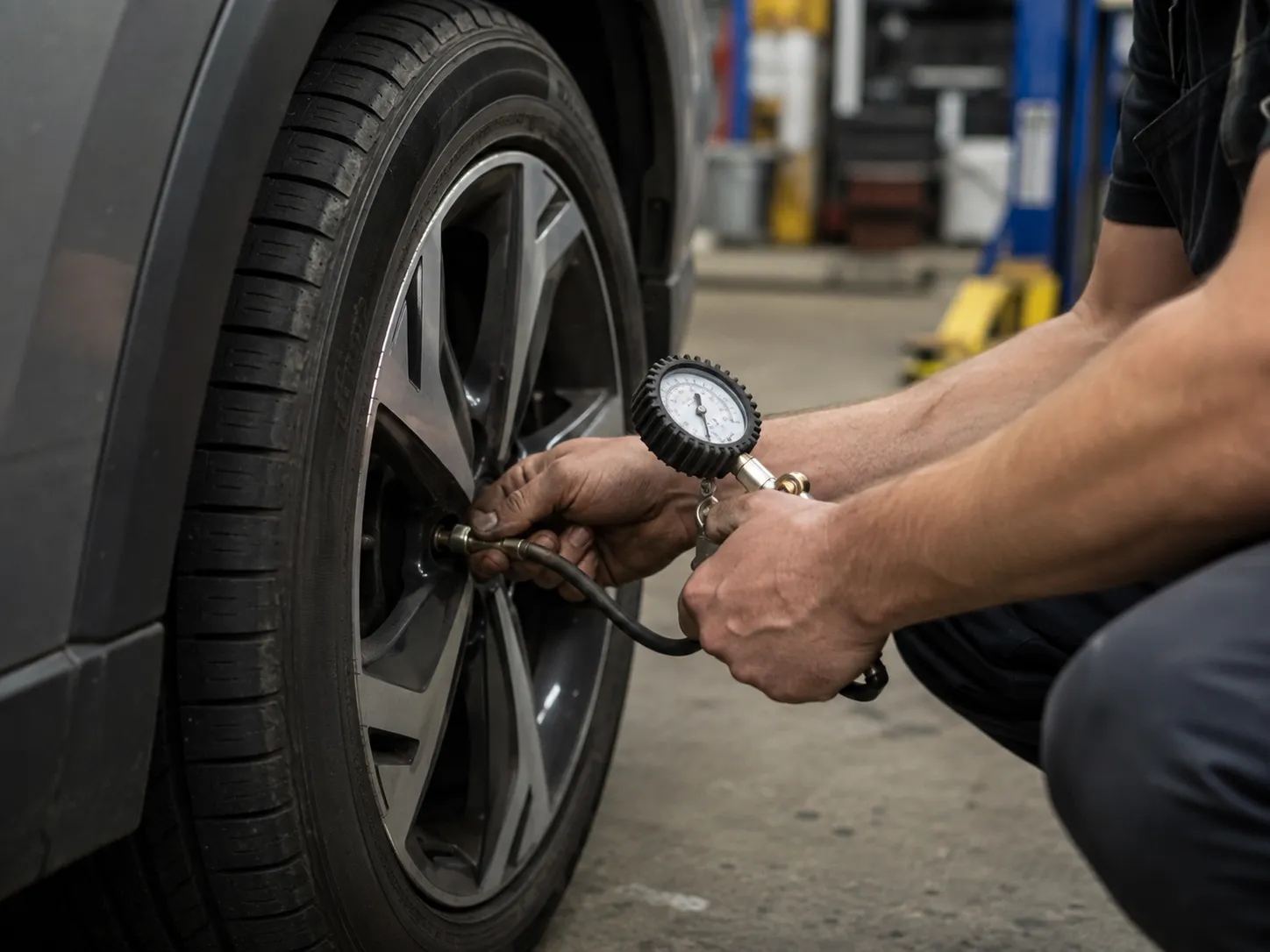
Tyre blowouts are often linked to problems that develop before the tyre fails, including incorrect pressure, excessive wear, impact damage and heat. Regular inspections can help identify these issues early and reduce the risk of a sudden failure. The most common causes include:
Keeping tyres correctly inflated, within their load limits and regularly inspected can reduce the likelihood of a blowout.
A tyre blowout may seem sudden, but warning signs can often appear beforehand. Changes in tyre pressure, visible damage, uneven wear, unusual vibrations or strange noises can indicate a developing problem. Spotting these signs early allows the tyre to be inspected before a minor issue becomes a serious failure.
A tyre that repeatedly loses pressure may have a puncture, damaged valve or leaking rim. Driving with low pressure increases flexing and heat build-up, which can weaken the tyre. If a tyre looks low or the pressure warning light appears, check it as soon as it is safe.
Do not rely solely on the appearance of the tyre. Use a reliable pressure gauge and compare the reading with the manufacturer's recommended cold tyre pressure.
Bulges, bubbles, deep cracks, cuts and other sidewall damage can indicate problems with the tyre's structure. Exposed cords are a serious warning and mean the tyre should not be driven on.
Even if the tyre still holds air, visible structural damage requires professional inspection.
Uneven or excessive tread wear can point to incorrect pressure, poor wheel alignment or worn suspension components. Look for bald patches, exposed wear indicators or noticeably greater wear on one part of the tyre.
Addressing the underlying problem can help prevent further damage and extend the life of the remaining tyres.
New vibrations through the steering wheel, seat or floor, or a vehicle that suddenly pulls to one side, should not be ignored. These symptoms can indicate tyre, wheel, alignment or suspension problems that may increase the risk of failure.
If these symptoms appear suddenly or become severe, reduce speed safely and arrange an inspection rather than continuing to drive normally.
Thumping, flapping, humming or other new noises from a wheel can signal a damaged tyre or other mechanical issue. If unusual noise occurs alongside vibration, pulling or pressure loss, the vehicle should be inspected promptly.
Preventing another blowout comes down to maintaining the tyres, driving carefully and addressing problems before they become serious. A few simple checks and regular servicing can reduce the risk of sudden tyre failure.
A tyre blowout can be frightening, but knowing how to respond and recognising the warning signs can help reduce the risk of serious injury or further vehicle damage. The immediate priority is to maintain control, reduce speed and move to a safe location rather than attempting an abrupt stop.
Once safely off the road, assess the tyre and check for possible wheel, steering, suspension or brake damage. If the location is unsafe or the vehicle has suffered more than a straightforward tyre failure, roadside assistance is generally the safer option. Even when a spare can be fitted, it should be treated as a temporary solution and used within the limits specified by the vehicle and tyre manufacturer.
Regular maintenance can also reduce the likelihood of another blowout. Correct tyre pressures, suitable load limits, routine inspections and timely replacement of damaged or worn tyres all contribute to safer driving. Kar Pro Tyre & Auto provides quality tyres, professional inspections and safety checks to help keep vehicles road-ready and give drivers greater peace of mind.


.webp)
.webp)