


Uneven Tyre Wear: Common Causes and What It Means
May 20, 2026
Uneven tyre wear is more than an annoyance noticed during a quick walk around a vehicle. It is often an early warning sign that something is not quite right with wheel alignment, suspension, steering, tyre pressure or everyday driving conditions. At Kar Pro Tyre & Auto, understanding the causes behind irregular tread patterns helps drivers address problems early before they become expensive repairs or serious safety risks. For drivers looking for reliable advice and servicing for tyres in Campsie, recognising these warning signs can make a real difference to vehicle safety, performance and long-term running costs.
This article explores the most common causes of uneven tyre wear, how specific wear patterns relate to underlying mechanical issues and what they can mean for handling, braking and fuel efficiency. It also explains when professional inspection becomes essential. Understanding these patterns helps extend tyre life, maintain safer road performance and reduce the likelihood of avoidable repair costs.
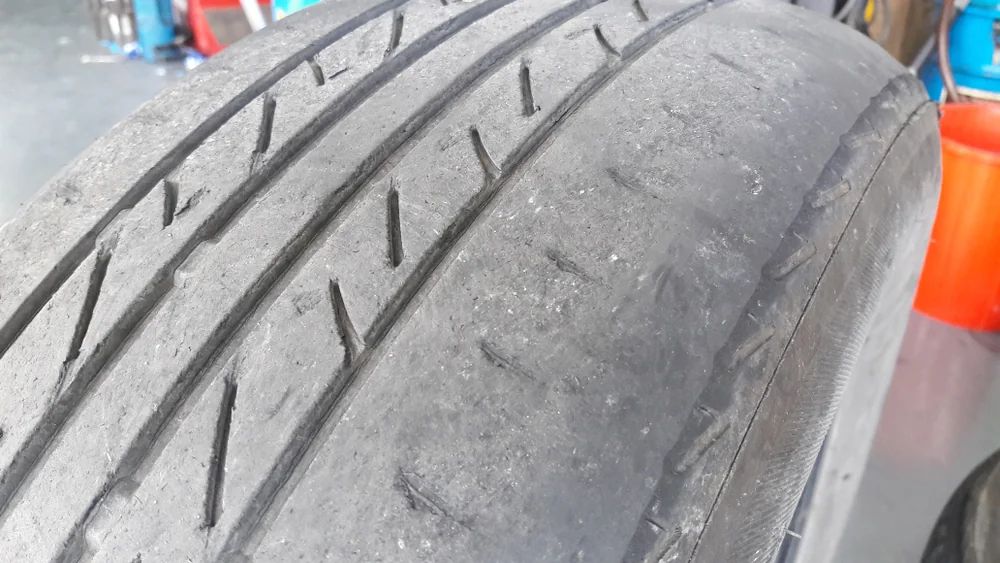
Uneven tyre wear is usually a sign that something in the vehicle’s alignment, suspension, steering or tyre maintenance routine is not working as it should. What starts as a minor tread issue can quickly lead to reduced grip, poor handling, vibration and premature tyre replacement.
Recognising uneven wear early gives drivers a better chance of fixing the cause before it leads to more expensive mechanical repairs. It also helps maintain predictable braking, steering response and road safety.
Tyres are the only contact point between the vehicle and the road. When they wear unevenly, their ability to grip the road is reduced, especially in wet weather or during emergency braking.
Feathered, cupped or edge-worn tyres can make the vehicle feel unstable, noisy or less responsive at speed. Inner or outer edge wear caused by poor alignment can reduce the effective contact patch, which may increase stopping distances and make the vehicle more prone to sliding through corners. If cords or belts become exposed, the tyre is no longer safe to use and the risk of failure increases.
Uneven wear can also point to worn suspension or steering components. These faults can affect straight-line stability, cornering control and emergency manoeuvres, making the vehicle less predictable on the road.
Allowing uneven wear to continue usually means tyres need to be replaced earlier than expected. A tyre may reach the legal tread limit on one shoulder while the centre still appears serviceable. Once this happens, the tyre is unsafe even if other parts of the tread still look reasonable.
Ignoring the cause can also place extra strain on suspension bushes, ball joints, tie rods and wheel bearings. A simple alignment or pressure correction is far less costly than replacing a full set of tyres along with damaged suspension or steering parts.
Uneven tyre wear often causes vibration, road noise and a harsher ride. Cupped or scalloped tyres can create a humming or droning sound that becomes more noticeable as speed increases. Steering wheel vibration can also make longer drives uncomfortable and may hide other developing issues.
Poor tyre condition can increase rolling resistance, which means the engine has to work harder to keep the vehicle moving. Over time, this can affect fuel use and running costs.
Tyres also need sufficient tread depth across the full width of the tread. Uneven wear can make a tyre unroadworthy even if the centre still appears to have tread remaining. This is why inner and outer edges should be checked, not just the most visible part of the tyre.
Specific tyre wear patterns can reveal a lot about what is happening underneath the vehicle. The way a tyre wears is rarely random. It usually reflects issues with tyre pressure, wheel alignment, suspension, steering or driving habits.
Knowing what each pattern may indicate helps drivers understand whether they need a pressure adjustment, tyre rotation, wheel alignment, balancing or a mechanical inspection.
Tyres worn mainly through the centre of the tread are often overinflated. Excess pressure causes the middle of the tyre to carry more of the load, so the centre wears faster than the shoulders. This can reduce road contact and affect grip, particularly in wet conditions.
Wear on both outer shoulders usually points to underinflation. When a tyre is too soft, it flexes more and the shoulders scrub against the road. This accelerates wear on both edges, increases rolling resistance and can make the tyre run hotter.
Regular pressure checks are one of the simplest ways to prevent these patterns. Pressures should be checked when the tyres are cold and adjusted according to the vehicle manufacturer’s placard, not the maximum figure printed on the tyre sidewall.
Wear on only the inner or outer edge of a tyre is commonly linked to wheel alignment. Incorrect camber or toe settings can cause the tyre to run more heavily on one edge, wearing it down much faster than the rest of the tread.
This type of wear can be easy to miss, especially on the inner edge where it is harder to see. A tyre may look acceptable from the outside while the inside edge is close to unsafe. Drivers may also notice pulling to one side, vague steering or an off-centre steering wheel.
If the alignment is corrected but the wear pattern returns quickly, there may be worn suspension or steering components, such as control arm bushes, ball joints or tie rods.
Cupping or scalloped wear appears as a series of dips or high and low spots around the tyre. It is often caused by worn shock absorbers, struts or suspension parts that no longer keep the tyre firmly controlled against the road. This can create a humming or droning sound at speed.
Feathered wear means the tread blocks feel smooth on one side and sharp on the other when felt by hand. This is usually caused by incorrect toe settings and can lead to increased road noise and reduced stability.
Patchy wear or random flat areas can be caused by wheel imbalance, suspension issues or frequent hard braking. In these cases, wheel balancing, alignment checks and smoother braking habits may help, but a mechanic should inspect the vehicle if the pattern is severe or recurring.

Wheel alignment and wheel balancing are two of the most common causes of uneven tyre wear. They are often mentioned together, but they are different services that address different problems.
Alignment relates to the angles of the wheels and how they sit against the road. Balancing relates to the weight distribution of the wheel and tyre assembly. When either one is incorrect, tyre wear, ride comfort and vehicle control can all be affected.
Wheel alignment focuses on key angles such as camber, toe and caster. When these angles are out of specification, the tyre may not sit flat or roll straight. This concentrates wear in certain areas of the tread.
Common alignment-related wear patterns include:
Misalignment can happen after hitting potholes or kerbs, driving on rough roads, carrying heavy loads or as suspension parts wear over time. Warning signs may include the vehicle pulling to one side, uneven steering feel or a steering wheel that sits off centre when driving straight.
Wheel balancing ensures the weight of the wheel and tyre assembly is evenly distributed. Even a small imbalance can cause vibration through the steering wheel, seat or floor, especially at higher speeds.
Unbalanced wheels do not always create a neat, obvious wear pattern like poor alignment. However, the constant vibration can contribute to cupping, patchy wear and extra stress on suspension and steering components.
Balancing issues often become noticeable at certain speeds, where vibration is strongest, and may feel less obvious once the vehicle moves outside that speed range. Any ongoing vibration should be checked, as it may indicate tyre damage, wheel imbalance or another mechanical fault.
Incorrect tyre pressure is one of the most common and preventable causes of uneven tyre wear. Even a small difference from the recommended pressure can change how the tyre sits on the road, leading to premature wear, reduced grip and increased fuel use.
Both overinflation and underinflation affect the shape of the tread as it rolls. Over time, this creates clear wear patterns that show when pressures are not being checked or maintained properly.
When a tyre is overinflated, the centre of the tread can bulge outward and carry more of the vehicle’s load. This causes the middle of the tyre to wear faster than the inner and outer shoulders.
Overinflated tyres can make the ride feel harsh, reduce the contact patch and increase the risk of impact damage from potholes or sharp road edges. This often happens when drivers inflate tyres to the maximum figure shown on the sidewall instead of following the vehicle manufacturer’s recommended pressure.
Underinflated tyres tend to sag and flex too much. This causes both outer shoulders to carry more load than the centre, creating faster wear on the edges of the tread.
Underinflated tyres also run hotter, which can increase the risk of tyre damage, especially during long drives, highway travel or when carrying heavy loads. They can also increase rolling resistance, which may affect fuel economy.
The correct tyre pressure is usually listed on the placard inside the driver’s door jamb, inside the fuel flap or in the owner’s manual. This pressure is specific to the vehicle and may include different recommendations for normal driving and fully loaded conditions.
To reduce pressure-related wear, drivers should check tyre pressures at least once a month and before long trips. Pressures should be checked when the tyres are cold, and a reliable pressure gauge should be used where possible.
Tyres that repeatedly lose pressure or continue to wear unevenly despite correct inflation should be inspected for punctures, valve faults, internal damage, wheel damage or alignment problems.

Worn suspension and steering components are a major hidden cause of uneven tyre wear. Even when tyres are correctly inflated and rotated, faulty parts can change how the vehicle sits, steers and tracks on the road.
When these components wear out, the wheels can move in ways they should not. This changes alignment while the vehicle is moving, so the tyre no longer runs straight and flat against the road.
Shock absorbers and struts help control the vertical movement of the wheels. When they are worn, tyres can bounce over the road rather than staying firmly planted. This can create cupping or scalloped wear and may also cause road noise or vibration.
Worn control arm bushes or trailing arm bushes can allow the wheel to move under braking or cornering. This changes camber and toe while driving, often causing inner or outer edge wear that returns even after a wheel alignment.
Damaged or sagging springs can lower one corner or one end of the vehicle. This changes how weight is distributed across the tyres and can lead to uneven wear compared with the other wheels.
Steering components keep the wheels pointed in the correct direction. When parts become loose or worn, the alignment measured in a workshop may not reflect what happens while the vehicle is being driven.
Worn tie rod ends can allow the front wheels to toe in or out on the road, creating rapid edge wear and a scrubbed look across the tread. Play in the steering rack or steering box can also cause vague steering and constant small corrections, which accelerates tyre wear.
A bent suspension or steering arm after a pothole impact or kerb strike can permanently affect alignment. In these cases, uneven tyre wear may return quickly until the damaged part is repaired or replaced.
Some mild wear patterns can be improved with a pressure correction, tyre rotation or wheel alignment. However, uneven tyre wear should not be ignored if it is worsening quickly, affecting how the vehicle drives or appearing again after recent maintenance.
A qualified mechanic can check whether the issue is limited to tyre pressure and alignment or whether worn suspension, steering or braking components are contributing to the problem.
Uneven tread needs urgent attention if it is accompanied by vibration through the steering wheel, especially at highway speeds. This can indicate tyre separation, severe imbalance, wheel damage or suspension faults.
A vehicle that pulls strongly to one side, feels unstable or has visible inner or outer edge wear should also be inspected promptly. These symptoms can affect braking, steering control and overall stability.
Visible cords, belts or bald patches mean the tyre is no longer safe to use. If this damage appears in one section of the tyre rather than evenly across the tread, the underlying cause should be corrected at the same time as replacing the tyre.
Mild uneven wear can be tempting to ignore, especially if the vehicle still feels normal to drive. However, once a wear pattern starts, it often becomes worse because the misshapen tread continues to scrub against the road unevenly.
If uneven wear returns within a few thousand kilometres after rotation, balancing or alignment, the cause is unlikely to be normal use alone. A mechanic should inspect alignment settings, tyre balance, suspension bushes, ball joints, tie rod ends, shocks and other related components.
Uneven tyre wear is a clear indication that something within the vehicle’s alignment, suspension, steering or tyre maintenance routine may not be functioning correctly. Each wear pattern can point to a specific issue that affects safety, handling, fuel economy and tyre lifespan. Addressing the warning signs early helps extend tyre life, reduce long-term repair costs and support safer driving conditions.


.webp)
.webp)