


Why Won’t My Car Start? Common Causes and What to Do
August 13, 2026
Few things are more frustrating than turning the key or pressing the start button only to hear a click, slow cranking or nothing at all. Kar Pro Tyre & Auto helps drivers identify the common causes behind starting problems, from weak batteries and worn starter motors to fuel, ignition and engine management faults. Recognising how a vehicle behaves when starting can provide useful clues and help determine what needs to be checked.
For motorists searching for mechanics in Campsie, understanding the difference between a car that will not crank and one that cranks but will not start can make it easier to respond appropriately. Simple checks may identify an obvious issue, while persistent or intermittent starting problems require professional diagnosis to prevent further damage and unexpected breakdowns.
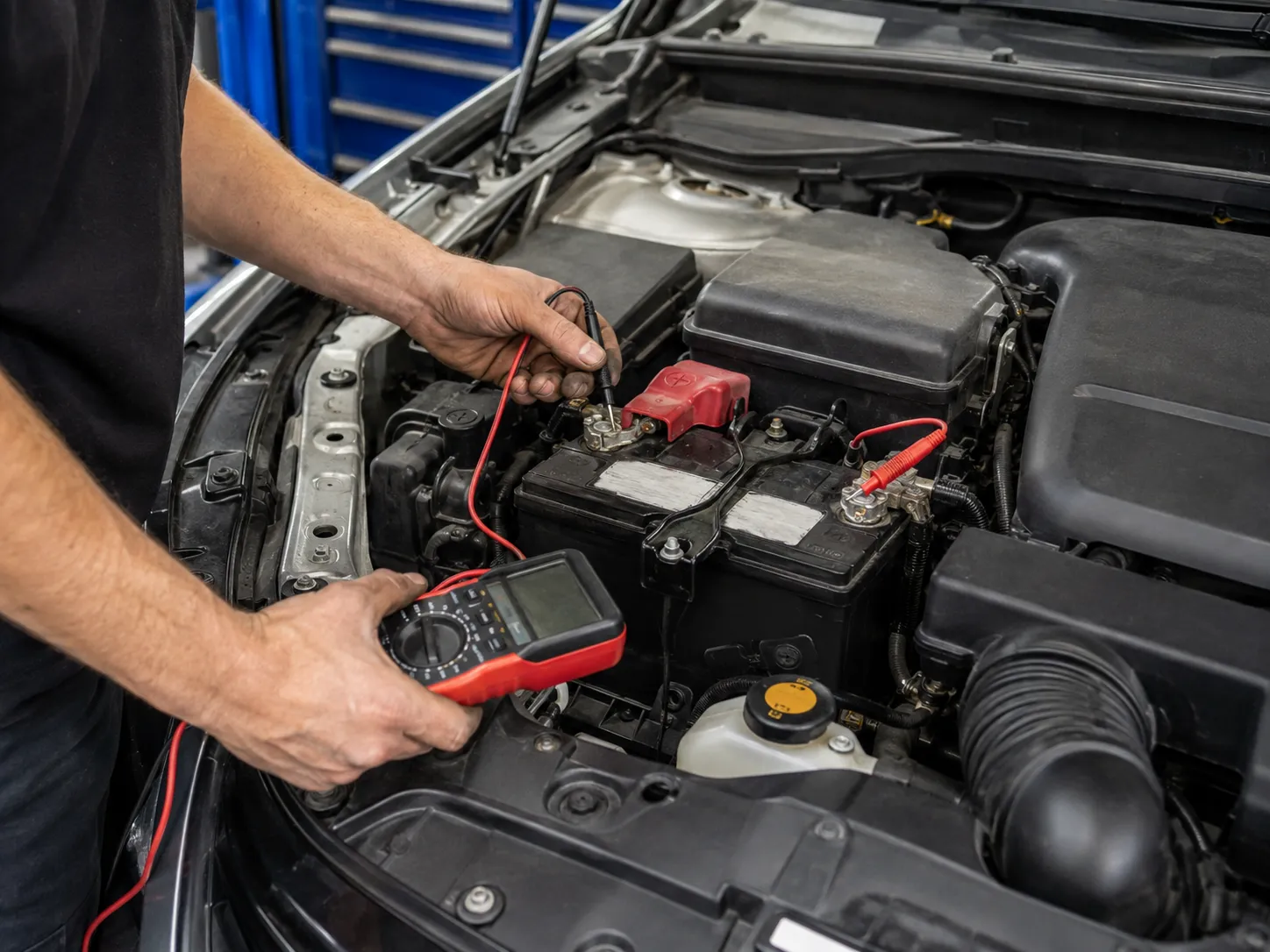
Turning the key or pressing the start button activates several systems in sequence. The battery supplies electrical power, the starter motor turns the engine and the fuel and ignition systems work together to make it fire. When everything is operating correctly, the engine should crank at a consistent speed and begin idling within a few seconds.
When it does not start, the sounds and behaviour during those first few seconds can provide useful clues. Pay attention to whether the engine cranks, how quickly it turns and whether there are clicks, unusual noises or warning lights. These can help indicate whether the problem is related to the battery, starter motor, fuel system, ignition or engine management.
A car that will not start generally falls into one of two categories: no-crank or no-start. Knowing the difference helps narrow down the likely cause and prevents unnecessary troubleshooting.
A no-crank condition means the engine does not turn over when the key is turned or the start button is pressed. There may be a single click, rapid clicking or complete silence. Common causes include a weak or flat battery, poor battery connections, a faulty starter motor, an ignition circuit problem or a failed park/neutral or clutch safety switch.
A no-start condition, also known as a crank-no-start, occurs when the starter motor turns the engine over normally but the engine does not fire. The battery and starter are generally doing their basic jobs, so the fault is more likely to involve fuel delivery, ignition, engine sensors, immobiliser systems or engine management.
The vehicle's behaviour can provide useful clues:
Repeatedly attempting to start the vehicle will not usually resolve either condition and can further drain the battery or place unnecessary strain on the starter motor. Noting the sounds, dashboard activity and engine behaviour can give a mechanic useful information and help guide further analysis.
A weak car battery or charging system fault is one of the most common reasons a car will not start. Slow cranking, rapid clicking, dim headlights or complete electrical failure can all indicate that the battery does not have enough power to operate the starter. The alternator supplies electrical power while the engine is running and replenishes the battery's charge, so a problem with either system can cause repeated starting difficulties.
A weak battery does not always fail without warning. Starting performance often changes before the battery becomes completely flat, giving drivers several signs that its condition should be checked. Beware of these warning signs:
Routine servicing can also uncover developing battery and starting problems before they leave the vehicle unable to start.
A jump start may get the vehicle running temporarily, but repeated jump starts usually indicate an underlying battery, charging or electrical drain problem. If the battery appears damaged or swollen, it should not be handled or jump-started.
A damaged battery should also be handled and disposed of through an appropriate battery collection or recycling service.
The alternator supplies power to the vehicle's electrical systems while the engine is running and replenishes the battery's charge. A charging fault may cause the battery warning light to remain illuminated, electrical accessories to behave erratically or the vehicle to lose power after starting.
Other signs can include headlights that change brightness with engine speed, repeated battery failures and a burning rubber smell if an alternator drive belt is slipping.
Replacing the battery alone will not solve the problem if the alternator is not charging correctly. A professional charging system test can determine whether the fault lies with the alternator, voltage regulator, drive belt, wiring or battery.
If the vehicle starts with a jump but soon becomes difficult to start again, the battery may no longer be holding a charge or the charging system may not be replenishing it properly. If a jump makes no difference and the starter does not respond, the fault may instead involve the starter motor, electrical connections or starting circuit.
Avoid relying on repeated jump starts without identifying the cause. Proper battery and charging system testing can determine whether the battery needs replacement or another component is responsible for the starting problem.
Starter motor and ignition faults can prevent the engine from cranking even when the dashboard and other electrical systems appear to work normally. A single click, intermittent starting, slow cranking or complete silence when the key is turned can all indicate a problem within the starting circuit.
The starter motor physically turns the engine, while the ignition switch, relays and safety systems control when it receives power. A fault in any of these components can leave the vehicle unable to start.
A failing starter motor can produce a single click, repeated clicking or a whirring sound without turning the engine. It may also crank slowly despite having a healthy battery. Starter problems can become intermittent, with the vehicle starting when cold but refusing to crank after the engine has been running and the components become hot.
If the dashboard lights remain bright but there is only a click and no engine movement, the starter or its electrical circuit becomes more likely as the cause, although battery voltage and electrical connections should still be tested first. Burning smells or smoke during a starting attempt are signs of a serious electrical fault, so further attempts should be avoided.
A faulty ignition switch, starter relay or wiring connection can prevent power from reaching the starter motor. Safety switches can cause similar symptoms if the vehicle does not recognise that an automatic transmission is in “Park” or “Neutral” or that the clutch is fully depressed.
Immobiliser problems can also prevent starting. A flashing security symbol or a message such as “Key not recognised” may indicate that the vehicle is not accepting the key. Trying a spare key and checking its battery can be a simple first step.
If the battery is known to be healthy but the vehicle still clicks, cranks intermittently or remains completely silent, professional testing can identify whether the fault lies with the starter, ignition switch, relay, wiring or immobiliser system.
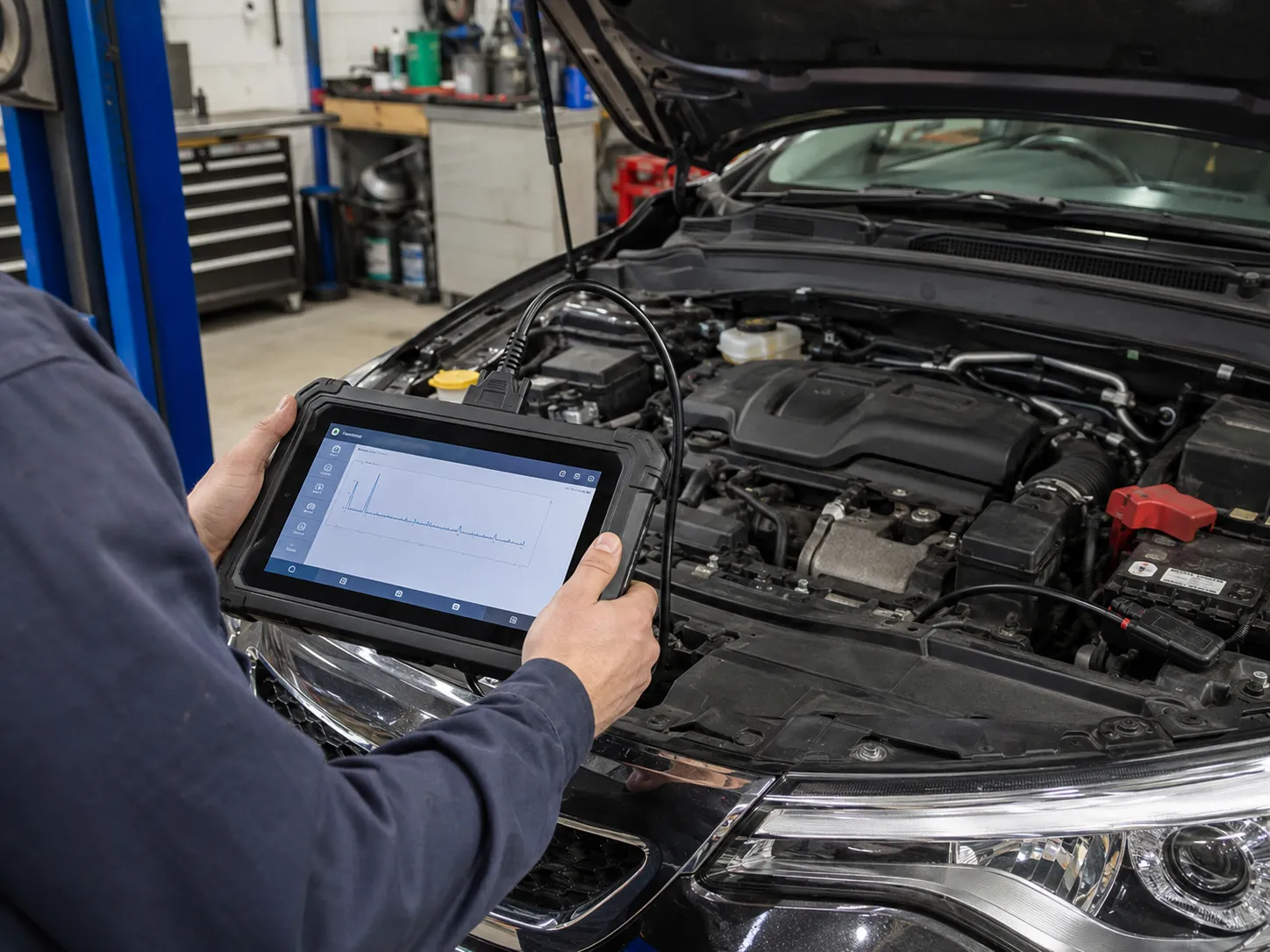
When the engine cranks normally but will not start, the problem is more likely to involve fuel delivery, ignition or engine management than the battery or starter motor. The engine needs the correct amount of fuel and air, along with a properly timed spark, so a fault in any of these systems can result in extended cranking, a brief start followed by stalling or a complete no-start. Several faults can cause these symptoms, including:
Because these systems are closely connected, replacing a component based only on symptoms can be costly and may not resolve the problem. Fuel pressure testing, diagnostic scanning and live-data checks can help identify the actual cause when a vehicle cranks but will not start.
Weather can affect how easily a vehicle starts, particularly when the battery or other starting components are already showing signs of wear. Cold conditions can reduce battery performance and make the engine harder to turn over, while heat can accelerate battery deterioration and expose weaknesses in starter motors, electrical connections and sensors. A battery that starts the vehicle reliably in normal conditions may struggle when temperatures become unusually cold or hot if it is already ageing.
Driving habits can also contribute to starting problems. Frequent short trips may not give the alternator enough time to replace the power used during starting, while leaving a vehicle unused for extended periods can discharge the battery. Repeated jump starts, slow cranking or occasional starting hesitation should not be ignored, as these can indicate an ageing battery, charging fault or another developing problem. Longer drives may help maintain battery charge when the vehicle is otherwise healthy, but persistent starting issues should be professionally diagnosed rather than treated simply by driving further.
Before arranging professional assistance, a few simple checks can help identify obvious reasons a car will not start. These should only involve safe visual or driver-level checks. If there is a strong fuel smell, visible smoke, leaking fuel or another obvious hazard, do not attempt to start the vehicle again and seek professional help.
If these checks do not reveal an obvious cause, avoid repeated attempts to start the vehicle. Continued cranking can further drain the battery and place unnecessary strain on the starter motor. Providing a mechanic with details about what the car did when starting was attempted can make professional diagnoses faster and more accurate.
If a car continues to have starting problems after basic checks, professional analysis is the safest and most reliable next step. Modern vehicles use interconnected electrical, fuel and engine management systems that can be difficult to diagnose accurately without specialist equipment. A technician can test the relevant components instead of replacing parts based on symptoms alone.
If simple checks do not identify the cause and the vehicle still refuses to start, it is time to arrange a professional inspection. Persistent starting problems can indicate a fault that cannot be confirmed safely or accurately without proper diagnostic equipment. Professional attention is recommended if:
These symptoms can be linked to the starter motor, ignition system, battery, alternator, fuel system, sensors or immobiliser. Continuing to crank the engine repeatedly can further drain the battery and place unnecessary strain on the starter.
Warning lights or unusual electrical behaviour alongside a starting problem should also be investigated. Pay attention to:
Diagnostic scanning can help identify stored fault codes and provide information about sensors, control modules and other electrical systems. Avoid disconnecting batteries or removing fuses at random, as this can create additional faults in some modern vehicles.
A vehicle that eventually starts but repeatedly struggles should not be treated as reliable. Intermittent faults can involve components such as crankshaft or camshaft sensors, fuel pumps, ignition components, relays or wiring, which may only fail under certain temperatures or loads.
Professional testing can identify faults that are difficult to reproduce during a basic inspection. Addressing these problems early can reduce the risk of a complete breakdown and help prevent unnecessary repairs caused by replacing the wrong component.
A car that will not start does not always mean a major mechanical failure, but the symptoms should not be ignored. Paying attention to whether the engine cranks, clicks, turns slowly or remains completely silent can help narrow down the likely cause, while warning lights and unusual sounds can provide further clues. Simple issues such as a weak battery or low fuel may be easy to identify, but starter, ignition, fuel delivery and engine management faults often require proper testing.
Kar Pro Tyre & Auto uses systematic diagnosis and up-to-date equipment to identify the underlying cause of starting problems rather than relying on guesswork or unnecessary parts replacement. If a vehicle is becoming harder to start, repeatedly needs a jump start or refuses to start altogether, arranging a professional inspection can help prevent further problems and get the vehicle safely and reliably back on the road.


.webp)
.webp)