


Is It Safe to Drive With a Warning Light On? What Each Dashboard Light Really Means
January 22, 2026
Driving with a dashboard warning light on can sometimes be safe for a short distance, but it depends entirely on which light it is. Some warnings mean you should book the car in soon, while others mean you need to stop straight away to avoid serious damage or a safety risk.
At Kar Pro Tyre & Auto, we often see cars come in after a warning light has been ignored for too long. As mechanics in Campsie, we know modern dashboards can be confusing, and a light can appear even when the car still feels normal to drive. This guide explains what the most common warning lights mean, which ones are urgent and what to do next so you can make the right call without guessing.
Dashboard warning lights are there for a reason. They are the car’s way of telling you that something has changed in the way a system is operating, even if you cannot feel it yet while driving.
Modern vehicles constantly monitor things like oil pressure, engine temperature, braking systems, charging voltage and emissions performance. When a sensor detects something outside the normal range, the dashboard light comes on to warn you early, before the issue turns into a breakdown or major damage.
A lot of drivers ignore a light because the car still drives “fine.” The problem is that many faults start small and build over time. Getting it checked early usually means a simpler repair, less stress and a much lower chance of being stuck on the side of the road.
Some dashboard warning lights are serious enough that you should stop driving as soon as it is safe. These warnings are not just reminders. They can signal a problem that may cause rapid engine damage or make the car unsafe to drive.
Even if the vehicle still feels normal, continuing to drive with one of these lights on can make the issue worse within minutes. If you see one of the warnings below, pull over safely, switch the engine off where appropriate and get advice before driving any further.
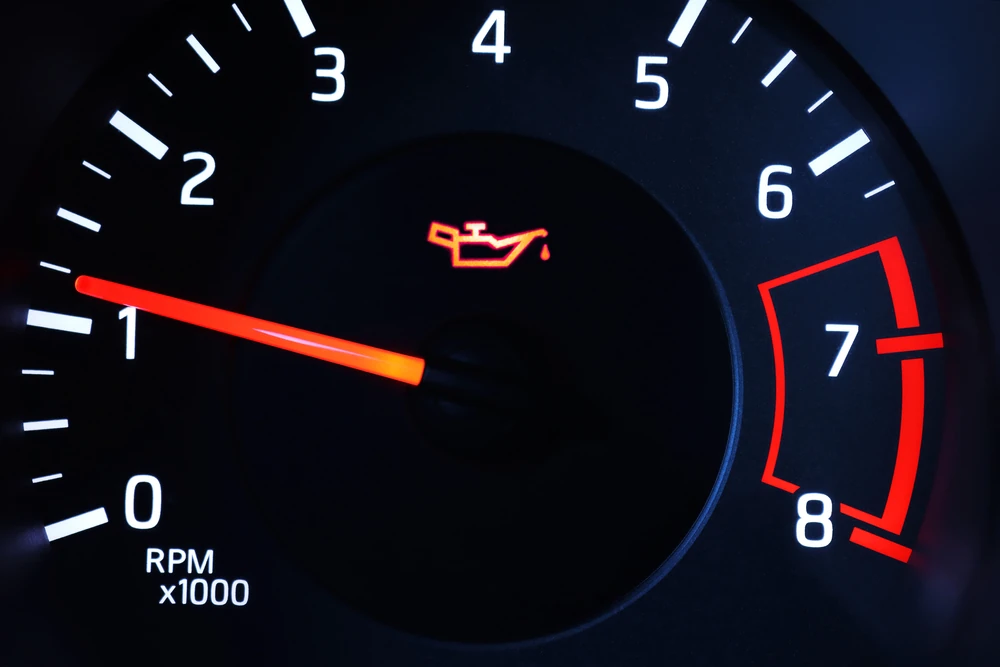
An oil pressure warning light means the engine may not be getting proper lubrication. This is one of the most urgent warning lights you can see.
Common causes include:
Driving without correct oil pressure can cause severe internal engine damage very quickly.
A temperature warning light usually means the engine is overheating or close to overheating. Heat damage can escalate fast and lead to expensive repairs.
Possible causes include:
If the engine overheats, continuing to drive can damage the head gasket or warp engine components.
Brake warning lights should always be taken seriously because they relate directly to your ability to stop safely.
This warning may be caused by:
If braking feels different or the pedal feels soft, do not keep driving.
A battery warning light usually means the charging system is not working correctly. The car may continue running for a short time, but once the battery drains the vehicle can stall and may not restart.
Common causes include:
If this light stays on, it is best to get the car checked as soon as possible to avoid being stranded.
Some warning lights do not always mean you need to stop immediately, but they still need attention. In many cases, the car can be driven carefully for a short distance so you can get home or reach a workshop without causing instant damage.
That said, “limited driving” does not mean “ignore it.” If a warning light stays on, comes back repeatedly or the car starts driving differently, it should be checked sooner rather than later.
A solid check engine light often points to a sensor issue or emissions-related fault. The car may still drive normally, but something is not working as it should.
Common causes include:
Short trips may be fine, but leaving it too long can lead to rough running, higher fuel use or further issues.
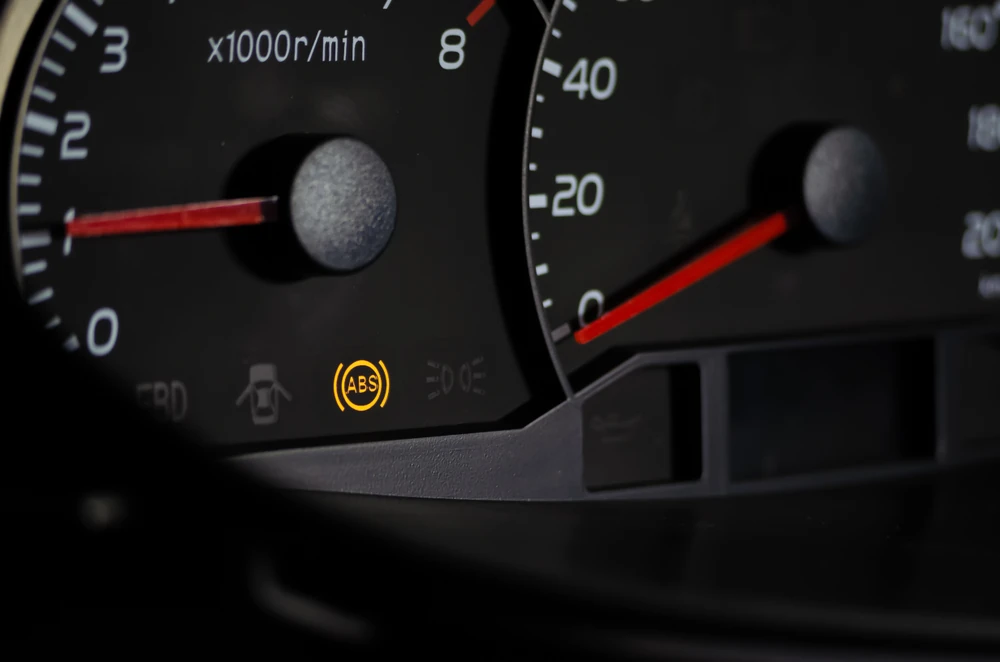
If the ABS or traction control light comes on, those safety systems may be disabled or not working correctly. In most cases, the car will still brake normally, but you lose electronic assistance.
You may notice:
You can usually drive carefully, but take extra caution until it is repaired.
These alerts are often reminders that routine servicing is due. They are not usually an emergency, but they should not be ignored for too long.
They may relate to:
Staying on top of maintenance helps prevent faults from developing later.
Limp mode is when the vehicle limits engine power to protect itself. It is designed to reduce strain and help prevent damage.
Drivers often notice:
This mode is usually meant to help you get to a workshop safely, not to keep driving as normal.
When a dashboard warning light comes on, the most important thing is to stay calm and make a smart decision. Some lights need an immediate stop, while others simply mean the car needs checking soon. Either way, the warning light is there for a reason and it is always worth taking seriously.
The best approach is to assess the situation quickly, drive cautiously if needed and avoid guessing what the problem is. Acting early can prevent extra damage and often keeps repair costs lower.
Start by looking at the colour of the light. In most vehicles, red warnings are urgent and amber warnings are cautionary.
While driving, pay attention to:
If anything feels wrong, reduce speed and avoid pushing the vehicle.
Pull over and stop as soon as it is safe if you notice overheating, smoke, strong smells or sudden loss of power.
Slow down and drive cautiously if:
If you are unsure, it is always safer to stop and get advice.
A warning light does not tell you exactly what part has failed. It tells you the car has detected a fault and stored a code.
A proper diagnostic scan helps:
Guessing often leads to wasted money and the same warning light coming back again.
Driving with a dashboard warning light on can sometimes be manageable, but only if you understand what the light is warning you about and you respond the right way. Some lights are a clear sign you need to stop immediately, while others may allow limited driving as long as the car still feels normal and you get it checked quickly.
The main thing to remember is that warning lights are early alerts designed to protect your engine, your safety and your wallet. If you act early, you are far more likely to avoid bigger repairs, breakdowns and unnecessary stress.
At Kar Pro Tyre & Auto, we always recommend treating warning lights as a sign to investigate sooner rather than later. A quick check and diagnostic scan can save a lot of time and money compared to leaving it until the car forces you to stop.


.webp)
.webp)