


Common Issues Mechanics Find During a Car Service
May 28, 2026
Booking a routine service often feels like a simple maintenance task focused on fresh oil, filters and a logbook stamp. However, experienced Kar Pro Tyre & Auto technicians often uncover hidden issues drivers have not yet noticed. During inspections, mechanics in Campsie may identify worn tyres, brake fluid leaks, weak batteries and early signs of engine, suspension or brake problems that could later affect safety, reliability and running costs. Knowing what these findings mean helps vehicle owners make informed repair decisions, avoid unexpected breakdowns and protect the condition of their car.
This article looks at the most common issues discovered during a car service, why these problems develop and how trained technicians detect them before they become serious. It also explains how regular servicing supports vehicle safety, performance and longevity, making preventative maintenance easier to understand.
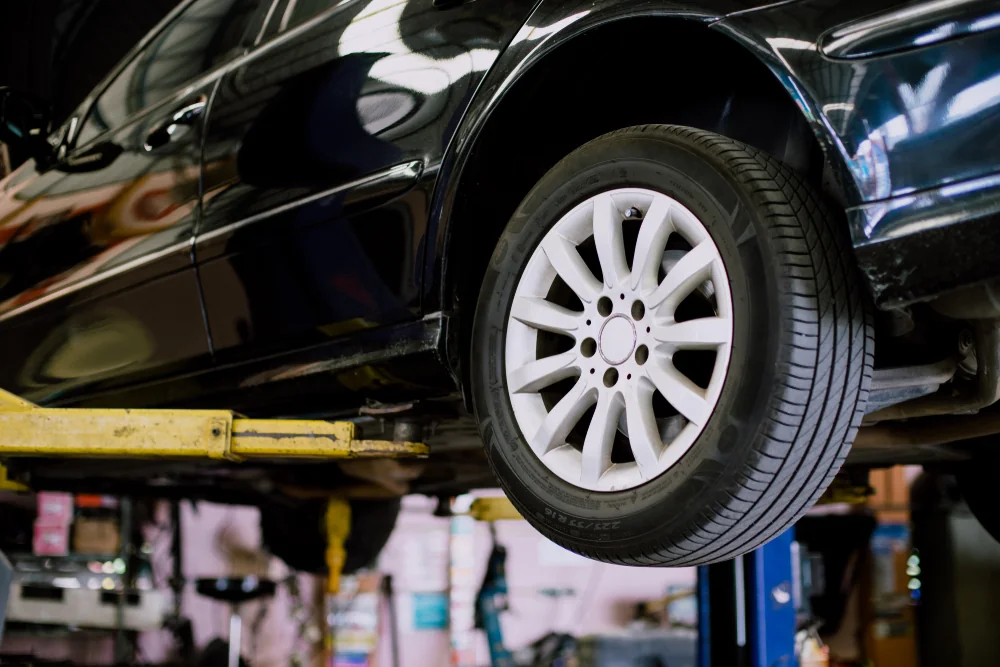
Many faults are identified during a car service before a driver feels anything unusual. This is not a coincidence. A structured inspection and trained eye can uncover early warning signs that are almost impossible to spot from behind the wheel in daily traffic.
Understanding why mechanics detect problems first helps explain the value of regular servicing and why small recommendations on a report should not be ignored. Minor concerns at service time are often the early stages of issues that may later become breakdowns or costly repairs.
Routine driving does not reveal every part of a vehicle’s condition. Mechanics inspect a car in a consistent way each time, which helps identify issues that normal use may hide.
During a service, the vehicle is raised on a hoist so the underside can be examined. Leaks from engine seals or transmission components may appear as light misting long before drops show on a driveway. Suspension bushes can also start to crack while the car still feels stable on the road.
Brakes are another common example. Pads may appear acceptable from the outside, but a mechanic can remove the wheel and measure pad and disc thickness with proper tools. Uneven wear or heat marks on the disc surface can indicate future brake noise, vibration or reduced braking performance, even if the vehicle still stops normally.
Experienced mechanics know how healthy components should look, sound and feel. Small changes that may seem insignificant to a driver often stand out during a professional inspection.
A faint belt squeak, for example, may only be heard during a cold start in the workshop. To a skilled technician, that noise can suggest a worn drive belt or pulley that may later fail and affect charging, cooling or accessory operation. Slight play in a steering joint when the wheel is tested on the hoist can also point to a future safety issue, even if the steering still feels normal on the road.
Tyres are often one of the first areas checked during a service because small issues can quickly become safety risks or expensive repairs. Irregular tread wear, incorrect pressure and poor wheel alignment can affect stopping distance, fuel economy and how predictable the vehicle feels on the road. Routine servicing provides a useful opportunity to identify these problems before they lead to tyre failure or poor handling.
Mechanics inspect tread depth, sidewalls, valve condition and wear patterns to assess how tyres have been performing. They also check pressures against manufacturer specifications and may recommend alignment or balancing if there are signs of uneven wear, vibration or steering pull.
Excess wear in the centre of the tread usually indicates overinflation. This means the tyre is running mainly on the middle section, which can reduce grip and ride comfort. Heavy wear on both outer edges often points to underinflation, where the shoulders carry too much load, increasing heat build-up and the risk of tyre damage.
Wear on only one edge of the tyre can indicate incorrect wheel alignment, such as excessive camber or toe. Cupping or scalloping across the tread blocks may relate to worn suspension components or poor wheel balance. Mechanics use these patterns to decide whether tyres should be rotated, replaced or investigated further.
Incorrect tyre pressure is one of the most frequent issues identified during routine servicing. Tyres that are even slightly underinflated can run hotter, increase fuel consumption and lengthen braking distances. Overinflated tyres may create a harsher ride and reduce the tyre’s contact with the road.
Mechanics use calibrated gauges to compare actual tyre pressures with the placard values usually found on the driver’s door jamb or in the owner’s manual. Pressures are set when the tyres are cold for a more accurate reading. If a tyre repeatedly loses air, the valve core, bead seal or tyre itself may need closer inspection.
Misaligned wheels are a common cause of premature tyre wear. Typical signs include the vehicle pulling to one side, a crooked steering wheel when driving straight or rapid wear along one edge of the tyre. If needed, alignment equipment can be used to reset toe, camber and caster to manufacturer specifications.
If the driver reports vibration at certain speeds, wheel imbalance may also be found during a service. Small weights are added or repositioned on the rim so the wheel and tyre rotate smoothly. Correct alignment and balancing improve steering feel, reduce tyre noise and help tyres last longer.
Brake issues are among the most common and most important problems uncovered during a routine car service. Even slight wear or imbalance in the braking system can affect stopping distance, ride comfort and safety. Regular inspections help identify faults early before they lead to costly repairs or dangerous failures on the road.
Technicians check far more than whether the car stops. Pad thickness, disc condition, brake fluid level, pedal feel and electronic systems are all assessed to ensure the brakes deliver consistent and reliable performance.
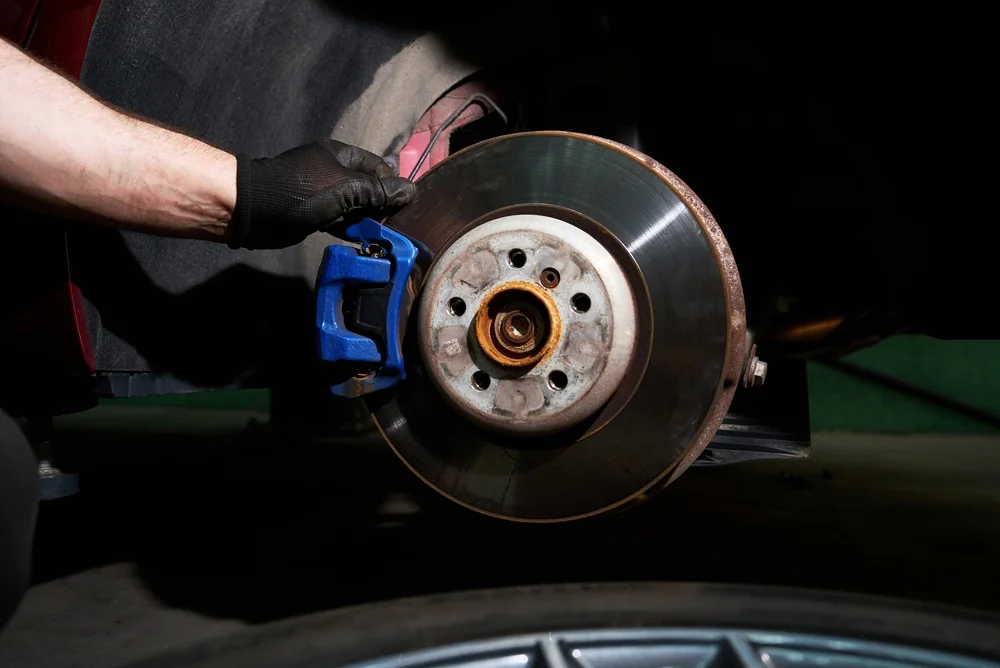
Mechanics often find that drivers have missed early warning signs of brake wear. Common indicators include squealing or grinding noises, a soft or spongy pedal, steering wheel vibration or the car pulling to one side when braking.
Squealing may point to worn pads or glazed braking surfaces, while grinding often means the pad material has worn down to the metal backing plate and is damaging the disc. Vibration through the steering wheel or brake pedal can suggest warped discs, uneven pad deposits or worn suspension components affecting braking stability.
If the pads are close to minimum thickness or wearing unevenly, the technician will usually recommend replacement. Ignoring these signs can increase stopping distance and lead to disc damage that is more expensive to repair.
Brake fluid condition is another frequent issue found during servicing. Brake fluid absorbs moisture over time, which lowers its boiling point and can contribute to brake fade during hard braking. Moisture can also lead to internal corrosion in brake lines, callipers and the master cylinder.
Technicians may test brake fluid for moisture content and inspect for leaks around hoses, lines and fittings. If the fluid is dark, contaminated or overdue for replacement, a full flush may be recommended. A spongy pedal, long pedal travel or uneven braking response can indicate air in the system, worn components or leaks that need immediate attention.
Fluid leaks and low fluid levels are among the most common issues uncovered during a routine car service. Left unchecked, they can lead to overheating, poor braking performance, transmission damage or even engine failure. A service visit is often when small stains or slight drops in fluid levels are first noticed and addressed.
Modern vehicles rely on several different fluids to cool, lubricate and power key systems. Each fluid has its own signs of trouble and its own risks if allowed to run low. Identifying the type of fluid and the source of a leak is a core part of a thorough service inspection.
Engine oil is one of the first fluids checked. Low oil level or dark, dirty oil can indicate overdue servicing, contamination or internal wear. Fresh oil leaks are usually brown or amber and are often found beneath the engine area. Persistent oil loss can damage bearings and increase the risk of overheating.
Coolant is vital for temperature control. It is usually green, pink or orange and may have a slightly sweet smell. Drops in coolant level or dried residue around hoses, the radiator or the water pump can suggest a leak. Low coolant can cause overheating, warped cylinder heads and sudden breakdowns.
Brake fluid is clear to light amber. Any dampness around brake hoses, callipers or the master cylinder is a serious safety concern. A low brake fluid reservoir may indicate worn pads or a leak in the hydraulic system, which can result in a soft pedal or reduced braking force.
Power steering fluid is typically red or amber and is checked for level and condition. Leaks often appear around hoses or the steering rack and may cause heavy or noisy steering.
Automatic transmission fluid is usually bright red when fresh and turns brown as it ages. Leaks near the centre of the vehicle may trace back to transmission pan seals or cooler lines. Low transmission fluid can cause harsh shifting, slipping or delayed gear engagement.
Technicians visually inspect underbody components, hoses and seals for wetness, staining or residue. Fluid levels in reservoirs are checked against manufacturer marks, and any unusual drops since the last service are noted.
If a leak is suspected, the area may be cleaned and rechecked after a short drive cycle. In some cases, UV dye is added to the fluid so the exact source can be traced under a UV lamp. The colour, location and smell of the fluid help distinguish between oil, coolant, transmission fluid and other leaks.
Battery and starting problems are among the most common faults uncovered during a routine car service. Many modern vehicles give little warning before a weak battery or starting fault leaves the driver stranded, so systematic checks during servicing are important. Identifying small changes in cranking speed, voltage or charging performance early can help prevent inconvenient breakdowns.
During servicing, technicians look beyond a simple “will it start” assessment. They test how quickly the engine cranks, measure battery health and confirm that the charging system is working correctly. This helps distinguish between a battery nearing the end of its life, a failing starter motor or an alternator that is no longer keeping the battery charged.
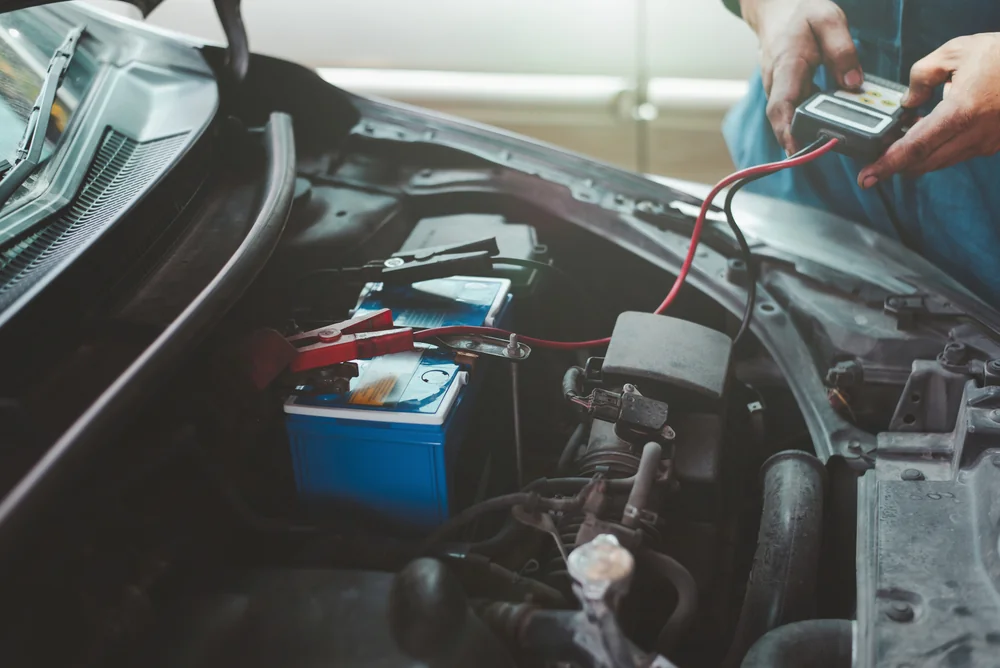
The most frequent issue is a battery that is losing capacity. Even if the vehicle still starts, a professional test may show reduced cold cranking performance or low reserve capacity, which means the battery could fail in colder weather or after short trips. Swollen battery cases, corrosion on terminals and leaking electrolyte are also common findings that affect reliability.
Age is a key factor. Most car batteries last around three to five years, depending on driving conditions. Short urban trips, heavy electrical accessory use and extreme heat or cold can all shorten battery life. The build date and test results are checked together to judge whether the battery is still dependable or should be replaced as preventative maintenance.
Loose or corroded terminals are another frequent cause of starting trouble. White or green deposits on the posts increase resistance, reducing the power delivered to the starter. A service typically includes checking terminal condition, clamping force and the main battery cables for signs of fraying or internal damage.
Not every slow crank or no-crank issue is caused by the battery. A worn starter motor can draw excessive current or engage intermittently. During a service, technicians listen for clicking noises, grinding or unusually slow engine turnover. Electrical tests can reveal high resistance in the starter circuit or a starter motor drawing more current than it should.
Ignition switch faults, starter relay problems and wiring issues may also be identified. Intermittent starting, where the dash lights come on but nothing happens when the key is turned, can point to these components rather than the battery itself. Finding these faults during servicing can prevent repeated jump starts and unnecessary battery replacement.
A healthy battery still depends on a properly functioning alternator. If the alternator is undercharging, the battery will slowly drain between trips. During service checks, technicians measure charging voltage at idle and with accessories on to confirm that the system is operating within the correct range for the vehicle.
Warning lights on the dashboard, such as a battery symbol, or dimming headlights at idle can indicate charging issues. However, even without obvious signs, a failing alternator diode or slipping drive belt may be found through voltage testing and visual inspection.
Belts and hoses are made from rubber and composite materials that naturally harden, crack and weaken over time. Even if a vehicle is not driven often, age, heat and exposure to fluids slowly break these parts down. Mechanics pay close attention to belts and hoses because a failure can stop the car immediately or cause serious engine damage.
Most drivers do not see the early warning signs because many belts and hoses are hidden in the engine bay. Regular inspections during servicing help identify small defects before they become roadside breakdowns. Understanding what is checked and why can also make preventative replacement recommendations easier to understand.
Modern vehicles usually use a serpentine belt to drive the alternator, power steering pump, air conditioning compressor and water pump. Older vehicles may have multiple accessory belts. Mechanics inspect these for cracks, glazing, fraying and loss of tension.
Fine surface cracks across the belt ribs indicate age and heat stress. Shiny or glazed ribs suggest the belt is slipping, which may cause squealing on start-up or when accessories are used. Frayed edges or missing sections can point to misaligned pulleys or a belt close to failure. A technician may twist the belt slightly to inspect the ribbed side and check tension with a gauge or experienced feel.
Timing belts are even more critical because they keep the engine’s internal components synchronised. These are usually hidden behind covers, so visual checks are limited. Mechanics rely on the vehicle’s age and kilometres to determine when replacement is due. Typical replacement intervals vary by model and may range from 60,000 to 150,000 kilometres or every five to ten years.
Radiator and heater hoses carry hot coolant under pressure. Rubber can become soft, swollen, cracked or brittle as it ages. During a service, mechanics squeeze hoses to feel for soft spots, bulges or a crunchy texture that may indicate internal deterioration. Wetness around hose connections, white or green crusty deposits or a sweet coolant smell can suggest a slow leak.
Smaller vacuum hoses and PCV hoses are also checked. These help control engine breathing and emissions. Cracks or loose connections can lead to rough idle, higher fuel use or warning lights. Because many hoses run under plastic covers or intake components, early leaks may not drip onto the ground, making in-bay inspection important.
Age can be just as important as distance travelled. Rubber components degrade due to heat cycles, ozone exposure and contact with oil or coolant. A ten-year-old low-kilometre car may still need belts and hoses replaced even if they look acceptable at a glance.
Service schedules usually provide both time and kilometre intervals for these items, such as every 100,000 kilometres or seven years, whichever comes first. Mechanics follow the earlier interval because internal deterioration is not always visible from the outside. Replacing ageing belts and hoses as advised helps prevent overheating, loss of power steering or a no-charge condition caused by a failed alternator drive belt.
Regular servicing is one of the simplest ways to reduce the risk of sudden and costly breakdowns. By checking fluids, filters, brakes, tyres and electrical systems at set intervals, small issues can be found before they damage other components. A scheduled service acts as a vehicle health check that supports reliability and safety in everyday driving.
Many major failures start as minor wear, low fluid levels or a small leak. Left unattended, these problems can escalate into engine, transmission or brake system damage that costs far more to repair. Consistent servicing helps interrupt that cycle by identifying warning signs early and correcting them before they become major faults.
Every drive adds wear to moving parts. Items such as brake pads, belts, hoses and suspension components gradually deteriorate. During a regular service, technicians measure pad thickness, check for cracked rubber, inspect loose joints and look for leaking shocks before comparing the condition of these parts to manufacturer guidelines.
For example, replacing worn brake pads is relatively straightforward. If pads are ignored until the friction material is gone, the metal backing can grind into the brake discs. At that point, the repair may require new discs and possibly calliper work, making it far more expensive. The same applies to drive belts. A cracked belt is cheaper to replace than the damage or inconvenience caused if it snaps on the road.
Modern vehicles rely on electronic systems for safety and drivability. Diagnostic scans can uncover stored fault codes in ABS, airbag or engine management systems, even if no warning light is currently showing. Addressing sensor faults or wiring issues early helps keep safety systems functioning correctly and avoids more complex electrical problems.
Basic checks also help prevent everyday breakdowns. Inspecting the battery and charging system can highlight a weak battery or failing alternator before the car fails to start. Examining tyre condition and pressure helps reduce the risk of blowouts and improves braking performance. Smaller items such as wipers, lights and fluid levels also support safe driving in poor weather or at night.
Routine servicing does far more than maintain a logbook history. It helps identify hidden problems before they develop into major mechanical failures or safety hazards. Early detection reduces the risk of breakdowns, improves vehicle reliability and helps prevent expensive repairs.
Consistent servicing also protects critical systems across the vehicle. Addressing small faults promptly supports performance, extends vehicle lifespan and helps drivers stay safer on the road in all conditions.


.webp)
.webp)