


How Long Does a Car Battery Last? Signs It Needs Replacing
September 8, 2026
A car battery can work reliably for years, but its performance declines with age, driving habits and the conditions it is exposed to. Slow engine cranking, dim lights, or repeated starting problems can be early signs that the battery is nearing the end of its service life. Recognising these warning signs can help drivers avoid an unexpected breakdown and the inconvenience of being left with a vehicle that will not start.
Kar Pro Tyre & Auto helps drivers understand when a battery may need testing, charging or replacement, with practical advice and professional vehicle servicing. For motorists looking for mechanics in Campsie, knowing what affects battery life and how to identify potential problems early can make it easier to plan maintenance and avoid unnecessary repairs.
From typical battery lifespans and common causes of premature failure to testing, replacement and ways to extend battery life, understanding these factors can help keep a vehicle's electrical and starting systems working reliably.
Most modern car batteries last between 3 and 5 years, although actual lifespan depends on how the vehicle is used and the conditions it operates in. High under-bonnet temperatures, frequent short trips and long periods without driving can all contribute to faster battery deterioration.
Once a battery reaches around 3 years old, regular condition checks become more worthwhile, particularly if the vehicle is showing signs of slower starting or electrical problems. By 4 to 5 years, the likelihood of failure increases, so it makes sense to monitor an older battery rather than wait for it to fail.
Age alone does not necessarily mean a battery needs replacing. Testing its condition and starting capacity can help determine whether it is still performing adequately or approaching the end of its service life.
A car battery lifespan can be shorter or longer depending on how the vehicle is driven, where it is parked and the condition of its electrical system. The main factors that affect battery life include:
For this reason, two vehicles using the same type of battery may have very different lifespans. Regular servicing and addressing electrical or charging problems early can help prevent unnecessary battery wear.
A failing car battery often shows warning signs before it stops working completely. Recognising these symptoms early can help prevent unexpected breakdowns and determine whether the battery needs testing or replacement.
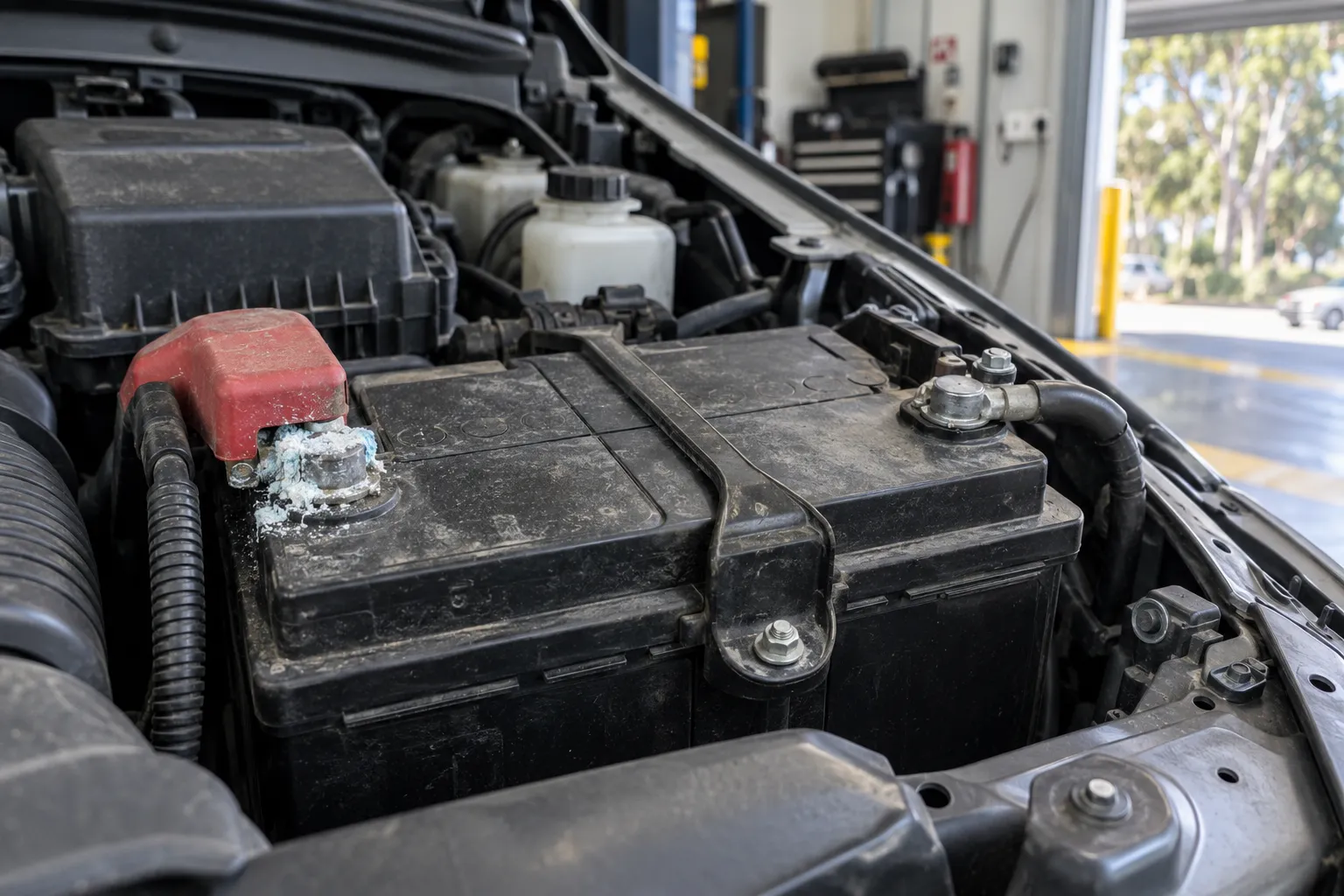
Beware of these signs:
Understanding what different dashboard warning lights mean can help drivers determine whether a battery symbol indicates a charging-system problem or requires immediate attention.
These symptoms can also be caused by an alternator, wiring fault or poor electrical connection, so testing the battery and charging system can help identify the actual cause before replacement.
A flat battery is not necessarily a failed battery. It may have been discharged because the vehicle was left unused, an interior light or accessory was left on, or repeated short trips did not give the alternator enough time to recharge it.
Battery discharge is only one of several common reasons a car will not start, as starter motor, alternator, ignition and fuel-system faults can produce similar symptoms.
If the battery is relatively new and has otherwise performed reliably, a one-off flat battery does not automatically mean it needs replacing.
A battery is more likely to be simply flat when there is a clear reason for the discharge, such as leaving the lights on or not driving the vehicle for an extended period. The engine may crank slowly and the lights may appear dim, but the vehicle should return to normal after the battery has been properly recharged.
If it starts normally afterwards and the problem does not return, the battery may still be serviceable. However, if the vehicle becomes difficult to start again soon afterwards, the battery should be tested rather than repeatedly jump-started.
A battery is more likely to need replacement when it repeatedly goes flat despite regular driving or fails again shortly after being charged. Consistently slow starting, frequent jump starts, flickering lights and electronic resets can also indicate that the battery is no longer holding sufficient charge.
An older battery showing several of these symptoms is more likely to be nearing the end of its service life. Physical signs like a swollen or damaged casing, heavy terminal corrosion or a strong unusual smell also warrant prompt inspection.
Because repeated battery failure can sometimes be caused by an alternator problem, parasitic drain or poor electrical connection, testing the battery and charging system can confirm whether replacement is actually necessary.
A weak car battery may continue working while the alternator is charging it, but its reliability can decline as its capacity decreases. The main concern is that it may eventually fail to provide enough power to start the vehicle.
The most immediate risk is an unexpected starting failure. A weak battery may continue starting the vehicle for days or weeks before suddenly losing enough capacity to crank the engine after the vehicle has been parked for an extended period.
A jump start may get the vehicle running temporarily, but it does not restore a battery that can no longer hold a charge.
A battery that cannot provide sufficient starting power may result in repeated starting attempts or jump starts. These situations can place additional demands on the vehicle's starting and charging systems.
However, a weak battery does not automatically mean the starter or alternator will be damaged. If starting problems continue, testing the battery and charging system can help determine whether another fault is contributing to the issue.
Low or unstable battery voltage can contribute to flickering lights, electronic resets, warning messages and other unusual electrical behaviour. Similar symptoms can also result from an alternator fault, poor connection or parasitic electrical drain.
Testing the electrical system can help distinguish between a failing battery and another underlying problem.
The biggest practical risk is being unable to start the vehicle when you need it. A battery nearing the end of its service life may fail at home, at work or away from assistance, turning a relatively straightforward replacement into an unexpected disruption.
Having an ageing or symptomatic battery checked early gives drivers more opportunity to arrange a replacement before it fails.
Choosing the right replacement battery involves more than finding one that physically fits. The battery needs to match the vehicle's required size, capacity, starting power and battery type, while some modern vehicles may also require registration or programming after installation.
A simple approach is to:
When a replacement is installed, motorists should also recycle an old car battery safely by taking it to an automotive shop, battery retailer, Community Recycling Centre or another approved drop-off point.
If there is any uncertainty about the correct car battery, a mechanic can check the manufacturer's requirements, test the charging system and ensure the replacement is installed and configured correctly.
Regular battery testing can identify declining capacity before the vehicle fails to start. Have the battery checked at least once a year once it reaches around three years old, or whenever the vehicle develops starting or electrical problems.
Testing can be useful if the vehicle is mainly used for short trips, sits unused for long periods or has a high electrical load from aftermarket accessories. Hot operating conditions can also accelerate battery deterioration, making condition checks more useful as the battery gets older.
A battery should be tested promptly if the engine is cranking more slowly than usual, the vehicle needs repeated jump starts, or electrical components behave unusually. Dimming lights, clicking when starting or a battery warning light can also indicate a problem with the battery or charging system.
A recent jump start is another good reason to have the battery checked, even if the vehicle appears to be operating normally afterwards. Testing can determine whether the battery simply discharged or has lost the capacity to hold a charge.
Once a battery has been in service for several years, regular testing can provide a clearer indication of how much useful capacity remains. Including a battery check during routine servicing can make it easier to monitor an ageing battery and identify charging-system problems before they lead to a breakdown.
Yes, a weak or failing car battery can contribute to electrical problems by providing insufficient or unstable voltage during engine starting. Drivers may notice dim or flickering lights, slow power windows, infotainment resets, dashboard warning messages or other unusual electrical behaviour.
However, these symptoms do not always mean the battery itself is faulty. A failing alternator, loose or corroded battery terminals, damaged wiring or a parasitic electrical drain can produce similar problems.
If electrical issues occur alongside slow starting, repeated flat batteries or a battery warning light, the battery and charging system should be tested together. This helps identify whether the battery needs charging or replacement or whether another electrical fault is responsible.
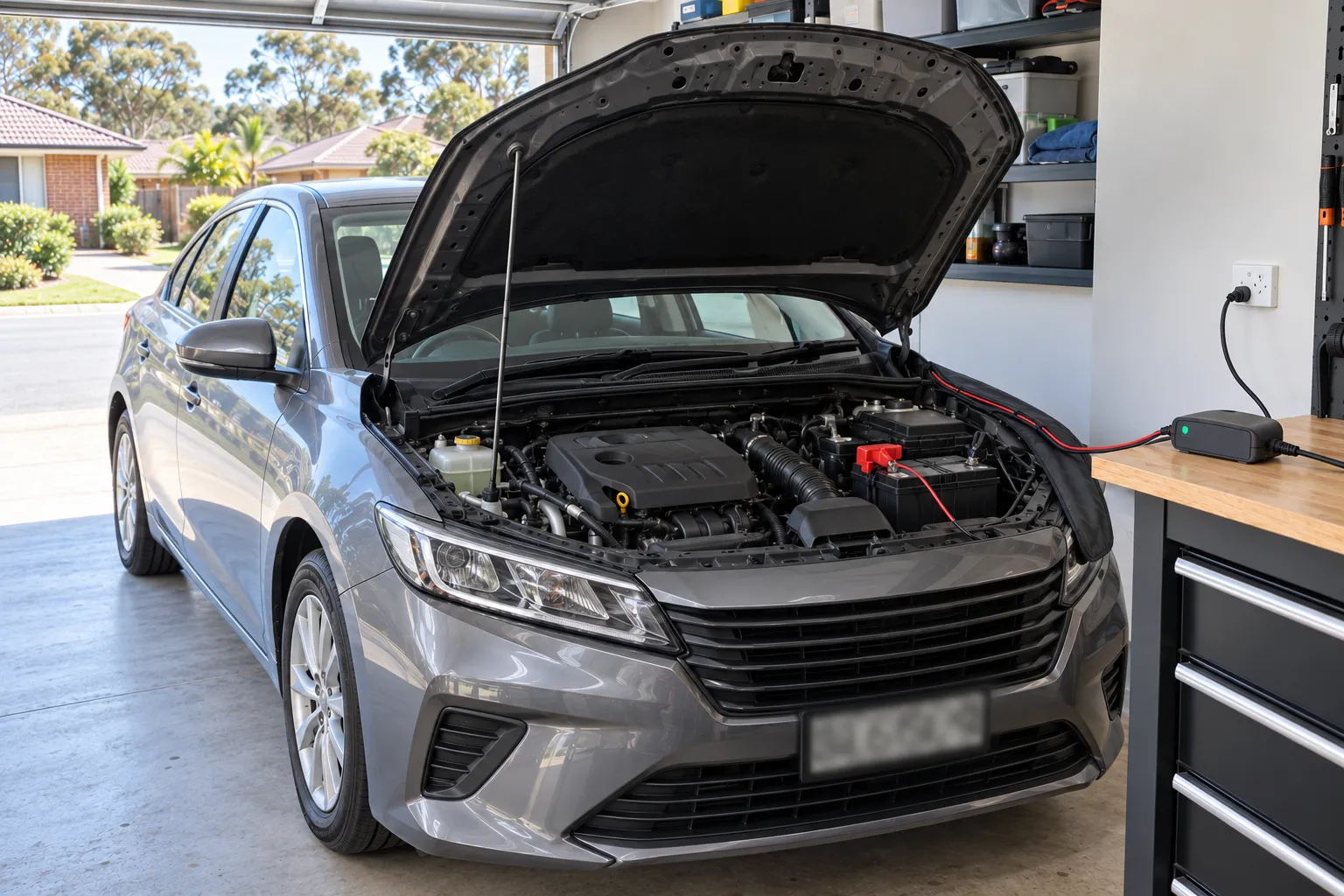
A car battery can last longer when it is kept properly charged, protected from excessive heat and maintained in good condition. Good driving and maintenance habits can reduce unnecessary strain and help prevent premature battery failure.
Frequent short trips may not give the alternator enough time to replace the energy used during starting, while leaving the vehicle unused for long periods can allow the battery to discharge.
Combining short journeys where possible and driving the vehicle regularly can help maintain a healthier state of charge. If a vehicle is stored for an extended period, a suitable battery maintainer can help prevent excessive discharge.
Avoid running headlights, audio systems and other accessories for extended periods while the engine is switched off. Repeated deep discharges can reduce battery capacity and shorten its service life.
Excessive heat can accelerate battery deterioration in the engine bay. Parking in a garage or shaded area where practical can help reduce exposure to extreme temperatures.
Keeping the battery terminals clean and free from corrosion also helps maintain a reliable electrical connection.
The battery should be securely mounted to prevent excessive vibration, which can contribute to internal damage over time. During routine servicing, have the battery and charging system checked for signs of wear, poor connections or charging problems.
Monitoring the battery as it gets older can help identify declining performance before it results in an unexpected breakdown.
Understanding how long a car battery lasts and recognising the signs of a weakening battery can help drivers avoid unexpected starting problems and disruptions. While many batteries provide several years of reliable service, various factors can shorten their lifespan. Slow engine cranking, dim or flickering lights, repeated flat batteries and dashboard warning lights are all reasons to have the battery and charging system checked.
Kar Pro Tyre & Auto can test battery condition, assess the vehicle's charging system and recommend the right replacement when needed. Addressing battery problems early can help keep the vehicle's starting and electrical systems reliable while reducing the risk of being caught out by a flat or failing battery.


.webp)
.webp)