


Wheel Alignment vs Wheel Balancing: How to Tell What Your Car Needs
June 29, 2026
Wheel alignment and wheel balancing are often mentioned together, but they solve different problems. Alignment affects how the wheels sit in relation to the vehicle and the road, while balancing affects how smoothly each wheel and tyre spins at speed.
For drivers looking for experienced mechanics in Campsie, understanding the difference can make it easier to recognise whether a car needs an alignment, wheel balancing or a broader inspection. This article explains the key differences, common warning signs, causes and risks of leaving either issue unresolved, with practical insights from Kar Pro Tyre & Auto.
Wheel alignment and wheel balancing are two separate services that are often confused because both affect how a car feels on the road. However, they address different parts of vehicle performance.
Wheel alignment focuses on the angles and position of the wheels. It helps the vehicle track straight, steer correctly and wear tyres evenly.
Wheel balancing focuses on the weight distribution around each wheel and tyre assembly. It helps prevent vibration, shaking and uneven tyre wear caused by a wheel spinning unevenly.
Both services are important for safe handling, ride comfort and tyre life, but they are carried out for different reasons and use different equipment.
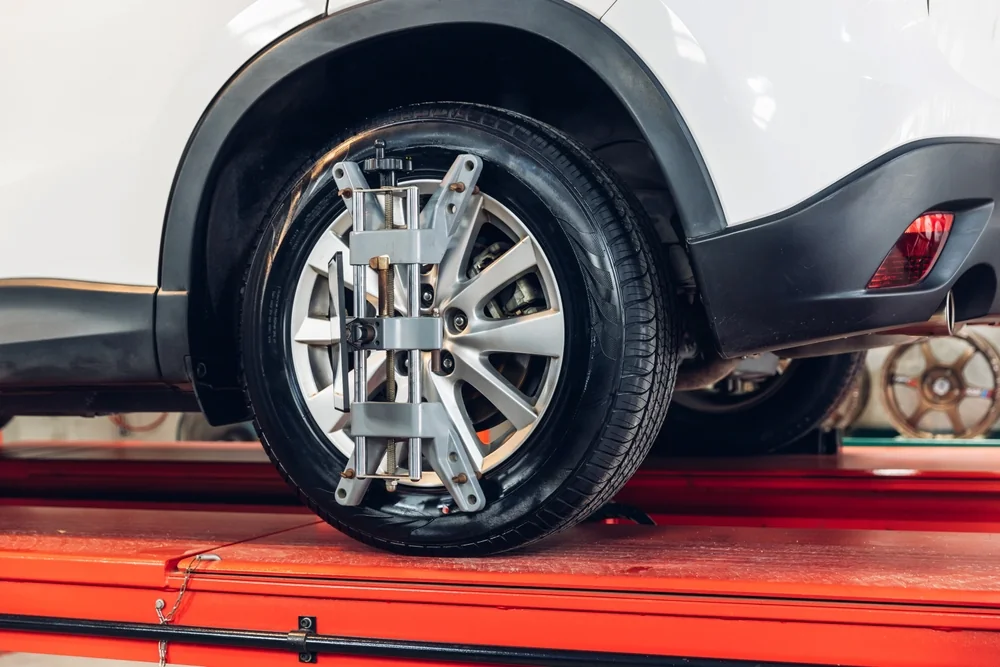
Wheel alignment involves setting the wheels to the correct angles according to the vehicle manufacturer’s specifications. These angles affect how the tyres meet the road and how the vehicle responds to steering input.
Common alignment angles include:
When alignment is out, the vehicle may pull to one side, the steering wheel may sit off-centre or the tyres may wear unevenly. Alignment issues are commonly caused by hitting potholes, striking kerbs, worn suspension parts or recent suspension repairs.
Wheel balancing deals with how evenly weight is distributed around each wheel and tyre. Even a small weight difference can create a heavy spot that causes vibration when the wheel spins at higher speeds.
During balancing, the wheel and tyre are placed on a balancing machine. The machine spins the assembly and identifies where weight needs to be added. Small balance weights are then attached to the rim so the wheel can rotate smoothly.
Unbalanced wheels often cause vibration through the steering wheel, seat or floor, especially at certain speeds. Over time, this can contribute to uneven tyre wear and place extra stress on suspension components.
Alignment problems usually affect how the vehicle tracks, steers and wears tyres. If the car pulls left or right, the steering wheel is crooked when driving straight or the tyres are wearing heavily on one edge, alignment is more likely to be the issue.
Balancing problems usually show up as vibration. If the car shakes at certain speeds but does not pull to one side, wheel balancing may be needed. Front wheel imbalance is often felt through the steering wheel, while rear wheel imbalance may be felt through the seat or floor.
Both services may be recommended together when new tyres are fitted, after a hard impact or when tyre wear and vibration are both present.
Wheel alignment issues can develop gradually, so recognising the early warning signs can help prevent excessive tyre wear and unsafe handling. Alignment affects how straight the vehicle tracks, how evenly the tyres contact the road and how predictable the steering feels.
One of the clearest signs of poor alignment is a vehicle that does not travel straight when the steering wheel is centred. On a flat road, the car should track straight with minimal steering correction.
If the vehicle consistently pulls left or right and the driver needs to hold the steering wheel slightly turned to stay in the lane, the wheel angles may be out of specification. This can happen after hitting a pothole, striking a kerb or driving with worn suspension components.
Road camber and strong crosswinds can also affect how a vehicle tracks, but if the pulling occurs on different roads and in calm conditions, alignment should be checked.
The steering wheel should sit level when the vehicle is travelling straight. If it sits off-centre while the car continues in a straight line, there is often an alignment issue.
A crooked steering wheel commonly means the toe angle has shifted, causing the wheels to point slightly away from their correct position. Drivers may become used to holding the wheel at an angle, but this should not be ignored because it often occurs alongside uneven tyre wear.
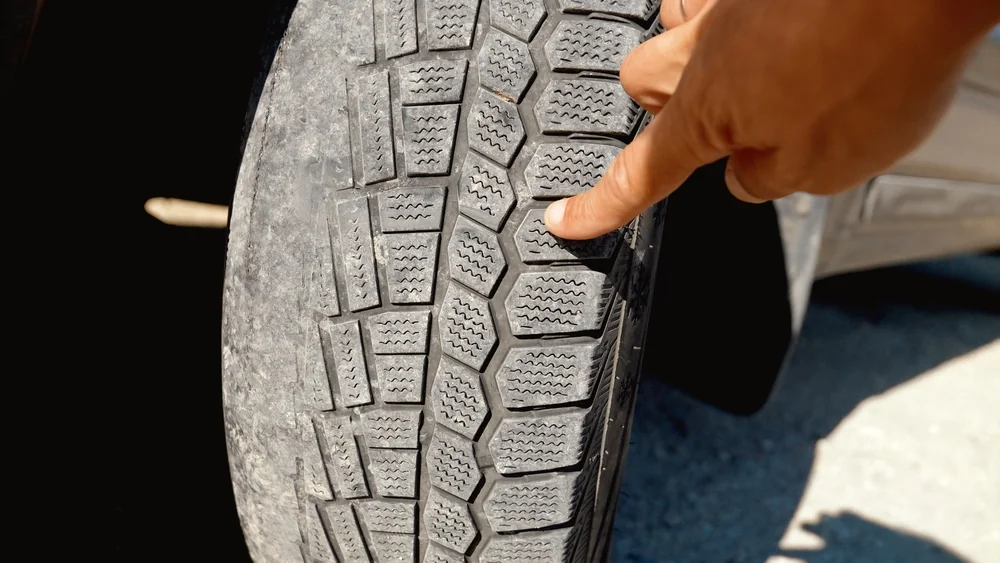
Tyre wear patterns can reveal a lot about alignment. When the wheels are not sitting correctly, the tyres may not share the load evenly across the tread.
Alignment-related tyre wear may include:
If new tyres begin showing uneven wear after only a few thousand kilometres, alignment should be checked promptly to avoid shortening their lifespan.
Poor alignment can also affect steering feel. A correctly aligned vehicle should feel stable, predictable and easy to control at both low and highway speeds.
Possible warning signs include:
These symptoms can also be caused by worn steering or suspension components, so they should be assessed by a professional technician rather than treated as alignment alone.
Wheel balancing issues usually appear as vibration, shaking or uneven tyre wear that changes with speed. Unlike alignment problems, balancing faults do not usually cause the vehicle to pull to one side.
The most common sign of unbalanced wheels is vibration that appears at certain speeds. This often becomes noticeable between 70 and 110 km/h.
If the front wheels are out of balance, vibration is usually felt through the steering wheel. The wheel may shake, buzz or shimmy at highway speeds before settling again as the vehicle slows down.
If the rear wheels are out of balance, the vibration is more likely to be felt through the seat or floor. Passengers may notice a steady thumping or humming sensation through the cabin.
Balance-related vibration usually:
Any speed-related vibration that cannot be explained by road surface should be checked.
Unbalanced wheels can cause tyres to wear in a cupped or scalloped pattern. Instead of a smooth tread surface, the tyre may develop alternating high and low spots.
Common signs of balance-related tyre wear include:
Once this type of wear develops, it may continue to cause noise and vibration even after balancing. Early correction gives the tyre the best chance of wearing evenly.
Wheels should usually be balanced whenever tyres are replaced, repaired or rotated. If vibration starts shortly after new tyres are fitted or tyres are moved from front to rear, balancing should be one of the first checks.
Vibration after tyre work may be caused by missing wheel weights, incorrect balancing, dirt on the rim or a tyre that has not seated correctly. In some cases, a bent rim or tyre defect may make correct balancing difficult, which a technician can identify using balancing equipment.
A mild imbalance may not cause a strong shake, but it can make the vehicle feel unsettled at higher speeds. The steering may feel slightly nervous or fidgety, especially on smooth roads.
If the car tracks straight but feels unsettled at 90 km/h and above, and there are no obvious alignment symptoms, wheel balancing may be worth checking.
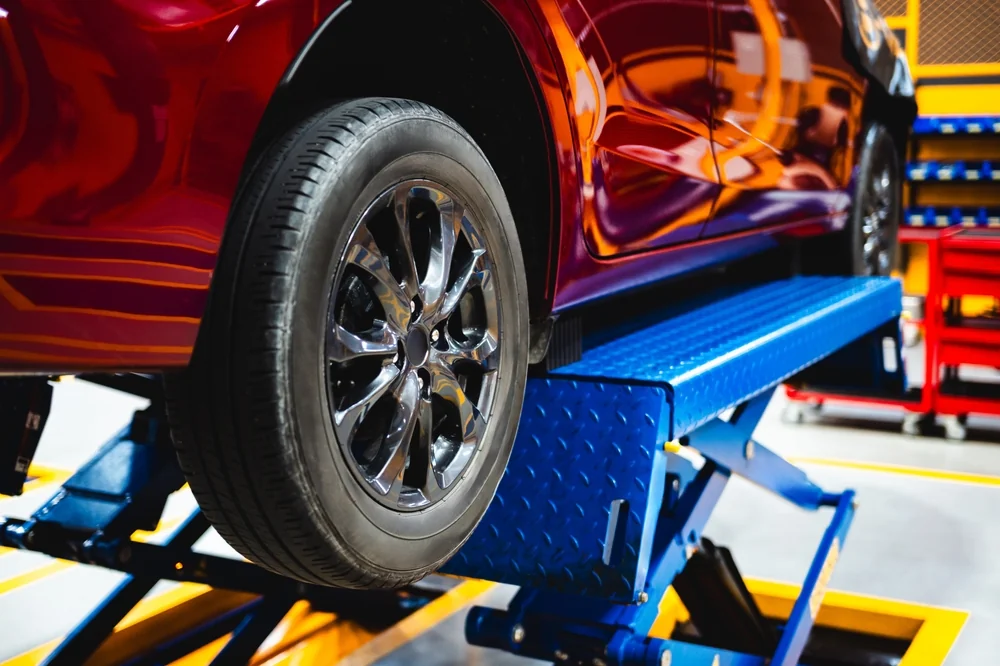
Wheel alignment and balancing problems can develop through normal driving or occur suddenly after an impact. Understanding the causes helps drivers recognise when a check may be needed.
Alignment angles are precise, so even a small shift can affect handling and tyre wear. Common causes include:
Even if no damage is visible from the outside, suspension geometry can move enough to affect how the vehicle drives.
Balancing problems occur when weight is no longer evenly distributed around the wheel and tyre. Common causes include:
A bent rim or damaged tyre can sometimes create vibration that standard balancing cannot fully correct. In those cases, further inspection may be needed.
Rough roads, unsealed surfaces, frequent stop-start driving and regular kerb impacts can all increase the chance of alignment and balancing problems. Carrying heavy loads or driving long distances on damaged roads can also place extra stress on tyres, wheels and suspension.
Periodic checks are especially useful after hard impacts, long trips or visible changes in tyre wear.
Ignoring wheel alignment or balancing issues allows small problems to become more expensive and harder to correct. A slight pull, mild vibration or early tyre wear can eventually affect safety, ride comfort and repair costs.
Poor alignment can cause the inner or outer edges of tyres to wear much faster than the rest of the tread. Once the tyre reaches the legal wear limit in one area, it may need replacement even if the remaining tread still looks usable.
Unbalanced wheels can create cupping, flat spots or patchy wear across the tyre. This type of wear is often noisy and may not fully disappear even after the wheel is balanced.
Correcting alignment and balancing issues early can help protect tyre life and avoid replacing tyres sooner than necessary.
Misalignment affects how the vehicle tracks along the road. A car that pulls to one side, wanders or needs constant steering correction can be harder to control, especially at highway speeds or in wet conditions.
Unbalanced wheels can also reduce driver confidence. Steering shake, seat vibration or a rough ride can make the vehicle feel unstable and tiring to drive.
In some cases, ongoing vibration may also place extra stress on steering and suspension components, including ball joints, tie-rod ends and wheel bearings.
A vehicle should be inspected if it starts pulling to one side, the steering wheel sits crooked, vibration appears at certain speeds or tyre wear becomes uneven. It is also sensible to have alignment and balancing checked after new tyres are fitted, after hitting a pothole or kerb, or before a long trip if the vehicle does not feel right.
Wheel alignment and wheel balancing play different but equally important roles in vehicle performance. Alignment helps the vehicle steer correctly and wear tyres evenly, while balancing helps the wheels spin smoothly and reduces vibration. Recognising the difference makes it easier to understand what the car may need and when professional attention is worthwhile.


.webp)
.webp)