


The Cost of Skipping a Logbook Service
April 23, 2026
Skipping a logbook service can seem like an easy way to save money or avoid inconvenience, especially when a vehicle appears to be running normally. However, scheduled servicing exists for a reason. Hidden wear, degraded fluids and developing faults often build up long before obvious symptoms appear, and delaying maintenance can lead to higher repair costs, reduced performance and unnecessary safety risks. When speaking with a mechanic in Campsie, many vehicle owners are surprised to learn how quickly missed servicing can affect reliability, safety and running costs. Kar Pro Tyre & Auto explains what happens when scheduled maintenance is delayed and why it often leads to greater long-term mechanical and financial consequences.
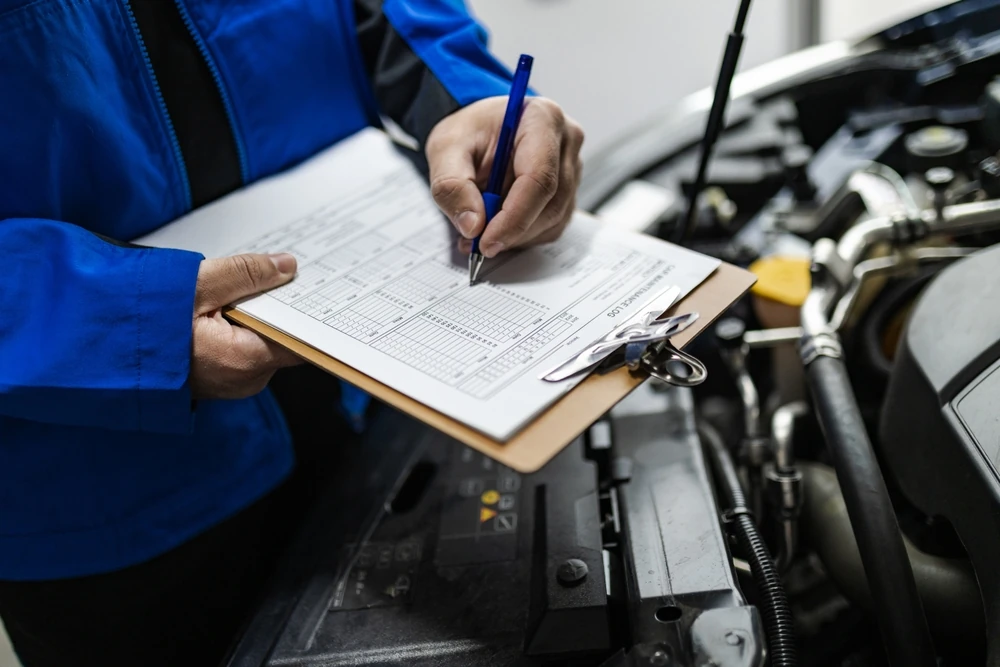
Logbook servicing is designed to keep a vehicle operating as the manufacturer intended. Each service is scheduled at specific time or kilometre intervals so key components can be inspected, adjusted or replaced before excessive wear or failure occurs. Following this schedule supports reliability, efficiency and safety throughout the life of the vehicle.
A logbook service involves much more than a basic oil change. It includes a structured series of checks, fluid replacements, inspections and servicing tasks suited to the make and model. Each appointment builds on the last, helping maintain engine health, drivability and long-term durability.
One of the main reasons logbook servicing matters is that it helps protect the manufacturer’s warranty. Vehicle makers set out clear servicing requirements so that if a major part fails, there is a record showing the vehicle has been properly maintained. If services are skipped, delayed or not documented correctly, warranty claims may be denied where neglected maintenance could have contributed to the failure.
A complete and properly recorded service history shows that the vehicle has been serviced at the required intervals and that appropriate oils, fluids and parts have been used. Without that proof, owners may have to pay for repairs that might otherwise have been covered.
Modern vehicles rely on tight tolerances and increasingly complex systems, which makes regular servicing essential. Fluids deteriorate over time, filters become restricted and wear items gradually lose effectiveness. When servicing is delayed, these issues often continue unnoticed until they begin affecting other components.
Fresh engine oil and clean filters help protect internal engine parts from contamination, friction and sludge build-up. Brake fluid changes reduce moisture absorption that can affect braking performance, while coolant replacement helps prevent corrosion and overheating. Regular inspections of belts, hoses, tyres, steering and suspension also make it easier to identify problems early, while repairs are still straightforward and affordable.
A properly serviced vehicle is more likely to deliver the fuel economy, power and low emissions expected by the manufacturer. Dirty filters, worn spark plugs and contaminated fluids can all reduce efficiency and drivability. These changes often happen gradually, which means many drivers do not notice the decline until performance and fuel use are clearly affected.
Servicing also plays an important role in safety. Brake wear, tyre condition, steering response and suspension performance all need ongoing inspection. If these areas are neglected, stopping distances can increase, handling can worsen and the risk of unexpected failure becomes much higher.
At the same time, a complete logbook history adds to resale value. Buyers and dealers generally place more confidence in a vehicle with regular documented servicing, while missing stamps or long gaps in the records often reduce trust and lead to lower offers.
Skipping a logbook service may seem like a minor decision, but the long-term cost is often much higher than expected. Scheduled servicing is designed to catch developing issues before they turn into major faults. Once maintenance is delayed, wear can accelerate and small problems can become much more expensive to fix.
What starts as a missed fluid change or routine inspection can later turn into a repair involving multiple damaged components, longer workshop time and higher labour costs. In many cases, the real expense is not the service itself but the avoidable damage caused by missing it.
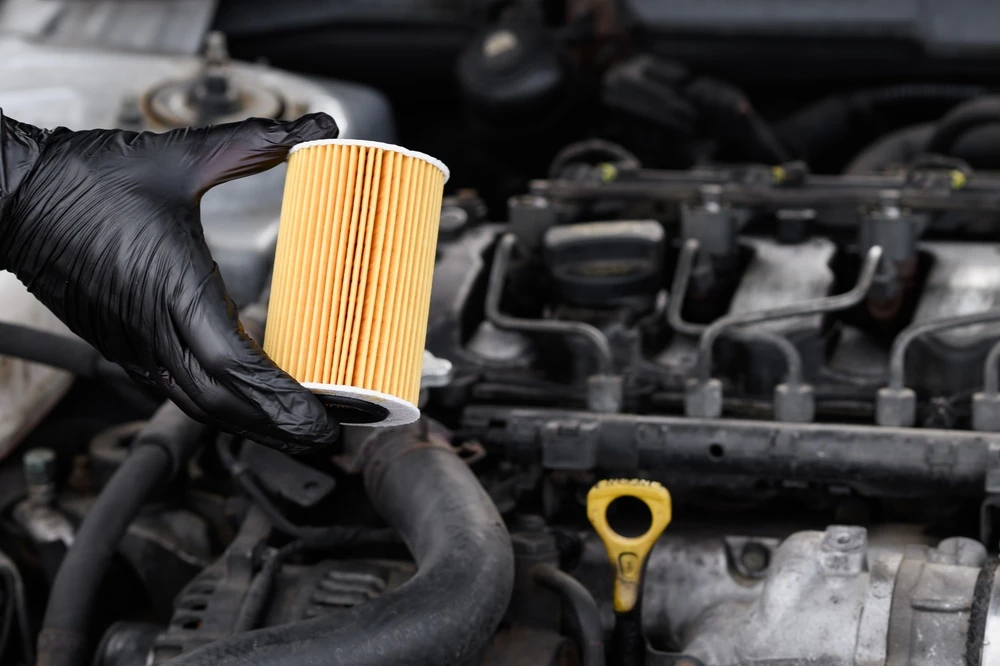
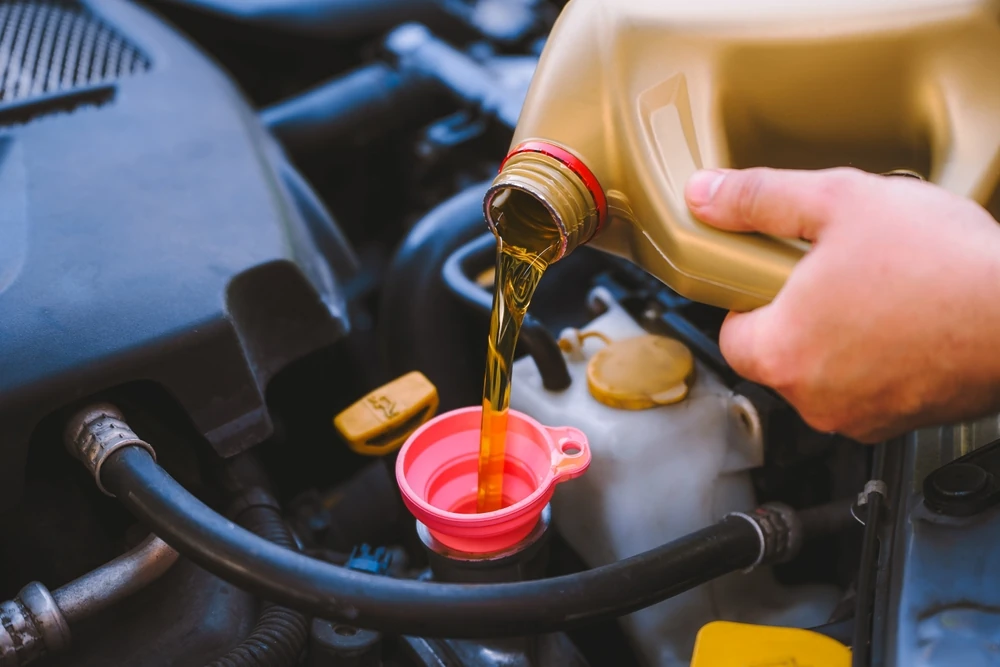
When a scheduled service is missed, essential maintenance items are also delayed. Engine oil that is not changed on time loses its protective qualities and can allow internal wear to build. A relatively low-cost oil and filter service can eventually become a far more expensive engine repair if neglect continues.
The same pattern applies elsewhere in the vehicle. Old coolant can contribute to overheating and head gasket problems. Worn brake pads that go unchecked can damage rotors. Cracked belts or ageing hoses may fail suddenly if they are not picked up during routine inspections. In most cases, preventative servicing is far less costly than repairing the damage left behind by neglect.
A vehicle that misses scheduled servicing is unlikely to continue operating at peak efficiency. Dirty air filters can restrict airflow, causing the engine to work harder and use more fuel. Worn spark plugs or neglected ignition components may lead to rough running, misfires and reduced responsiveness.
Fuel system deposits can also build up over time, affecting injector performance and drivability. Because these changes often happen gradually, they are easy to overlook at first. Keeping to the logbook schedule helps preserve fuel economy, smoother performance and more predictable vehicle behaviour.
Missing a logbook service can directly affect warranty coverage. If a major component fails and the servicing history shows delays, omissions or incomplete records, the manufacturer may reject the claim if poor maintenance is considered a contributing factor. This can leave the owner paying for repairs that might otherwise have been covered.
Resale value is also affected by service history. A complete logbook helps demonstrate that the vehicle has been properly cared for, while missing records often raise questions about hidden wear or neglected maintenance. Even when the car looks well kept, an incomplete history can still reduce buyer confidence and lower the eventual sale price.
Missing a service does more than affect the vehicle mechanically. It can also weaken the documented history that supports warranty claims, resale value and buyer confidence. Service records provide a clear record of responsible ownership and show that the vehicle has been maintained to the manufacturer’s standards.
Once that timeline becomes patchy, the vehicle can be seen as a higher-risk purchase. Buyers, dealers and warranty providers often look for consistent servicing because it suggests the car is less likely to have hidden problems. Keeping the logbook current helps protect not just the vehicle itself, but also its reputation in the market.
Delayed servicing does not always lead to immediate failure, but it does reduce the margin for safe and reliable operation. As fluids break down and wear items pass their intended service life, the risk of poor performance or unexpected breakdown increases. This becomes even more important during highway driving, towing, heavy loads or emergency situations.
Servicing intervals are set to keep all major systems working within safe tolerances. Once those intervals are stretched too far, issues that could have been identified during a routine visit may instead emerge under stress, when the vehicle is being relied on most.
Brake components are one of the clearest examples of why timely servicing matters. Brake pads that are not checked and replaced when needed can wear down completely, damaging the rotors and reducing stopping power. Brake fluid also absorbs moisture over time, which can lower braking performance under heat and pressure.
Tyres, steering and suspension also need regular inspection. Uneven tyre wear, low tread depth, worn suspension parts or steering issues can reduce grip, handling and stability. If these problems go unnoticed, they can create serious safety concerns and lead to more expensive repairs.
Modern vehicles rely heavily on sensors, control modules and electronic safety systems. Routine servicing often includes system scans and diagnostic checks that help identify early faults in areas such as ABS, stability control, engine management and transmission performance.
When servicing is delayed, these checks are missed. That can allow faults to develop unnoticed until warning lights appear, drivability worsens or a safety system no longer functions as intended. In some cases, the result may be sudden limp mode activation or reduced control in difficult driving conditions.
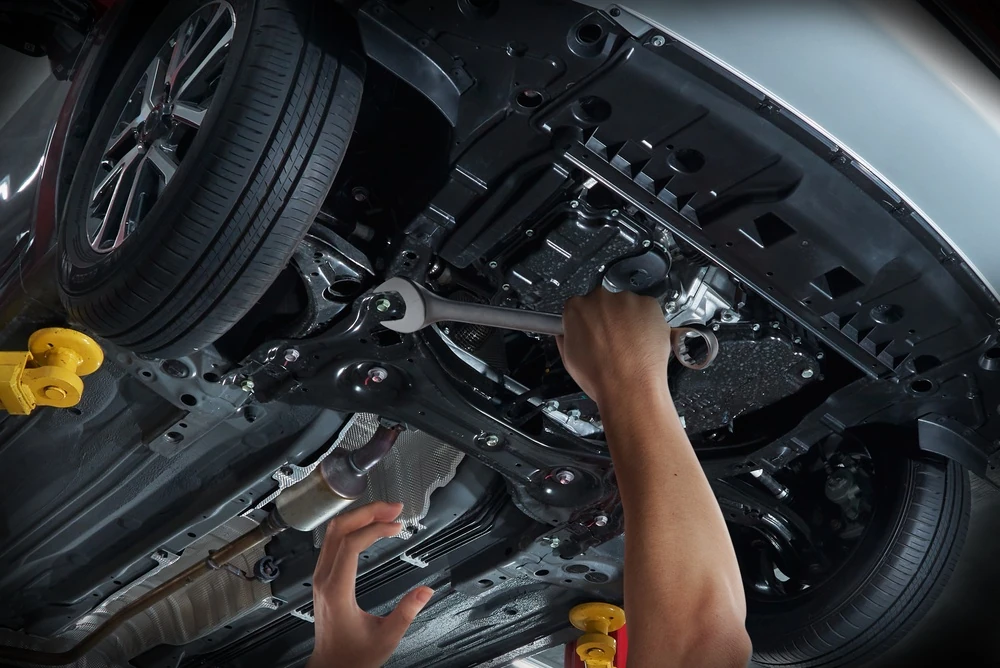
Routine logbook servicing is usually a predictable and manageable expense. It can be budgeted for and planned around the manufacturer’s recommended intervals. While some scheduled items cost more than others, they are still preventative measures designed to avoid major mechanical damage.
Major repairs are far more disruptive. They tend to happen unexpectedly, cost much more and often leave the vehicle off the road for longer. Over time, the cost difference between maintaining a vehicle properly and repairing one that has been neglected can become substantial.
A standard logbook service commonly includes an oil and filter change, fluid checks, brake inspection, general safety checks and a diagnostic scan. Depending on the vehicle and service interval, this is usually a modest maintenance cost compared with the expense of major mechanical repairs.
Even larger scheduled items, such as transmission servicing or timing belt replacement, are planned costs. They are carried out before failure occurs and are intended to protect more expensive components from damage.
When a service is skipped, essential maintenance items are delayed and small faults can continue to worsen in the background. Old oil loses its ability to protect moving parts. Coolant becomes less effective. Brake wear continues unchecked. What begins as routine maintenance can become a serious mechanical issue if ignored for too long.
A single delay may not always cause immediate failure, but repeated missed services increase the likelihood of breakdowns, reduced reliability and much higher repair costs over time.
Skipping a logbook service is not a genuine cost-saving measure. It is a delay that can increase wear, reduce safety, weaken warranty protection and lower resale value. While the vehicle may appear to run normally for a time, many mechanical problems develop gradually and remain hidden until the damage is already done.
Keeping to the manufacturer’s service schedule helps identify problems early, maintain performance and reduce the risk of costly repairs later on. In most cases, regular servicing is the simpler, safer and more economical option.


.webp)
.webp)