


Should You Replace Two Tyres or All Four?
September 9, 2026
Tyres do not always wear evenly, so it is common for one or two to reach the end of their service life before the others. Kar Pro Tyre & Auto helps drivers assess their tyre condition and determine whether replacing two tyres or all four is the safer and more practical choice.
For those looking for tyres in Campsie, factors like tread depth, tyre age, uneven wear and the vehicle’s drivetrain can all affect the right replacement approach. The decision is not simply about upfront cost, as tyre condition can also influence braking, handling and stability.
Understanding when two tyres are enough and when a complete set is the better option can help drivers maintain consistent grip, avoid premature wear and get better value from their tyres. The right choice will ultimately depend on the vehicle, driving conditions and condition of the remaining tyres.
Replacing only two tyres can be safe when the remaining pair is still in good condition, with sufficient tread, even wear and no visible damage such as cracks, bulges or sidewall damage. If the existing tyres are close to the end of their usable life, older or showing uneven wear, replacing all four may provide better safety and value.
When two tyres are replaced, the new pair should be fitted to the rear axle, even on front-wheel-drive vehicles. This helps maintain rear-end grip and reduce the risk of oversteer or loss of control on wet roads or during sudden manoeuvres. The replacement tyres should also meet the vehicle manufacturer’s required size, load rating and speed rating.
Two-tyre replacement can be suitable for many FWD and RWD vehicles when the remaining pair is fresh and closely matched. AWD and 4WD vehicles can be more sensitive to differences in tyre circumference, so the manufacturer’s recommendations should be checked before replacing only two.
Replacing all four tyres is often the better choice when they have worn to a similar level or are all approaching the end of their usable service life. Fitting a complete set provides more consistent grip, braking and handling across the vehicle and avoids keeping a worn pair in service.
A full set may also be recommended for many AWD and 4WD vehicles, which can be sensitive to differences in tyre rolling circumference. Differences between tyres may affect drivetrain operation, so the vehicle manufacturer’s specifications should be followed.
Replacing all four can also make sense when changing tyre size, type or construction. If the existing tyres are old, damaged, unevenly worn or nearing the end of their service life, a complete set can provide more consistent performance and value.
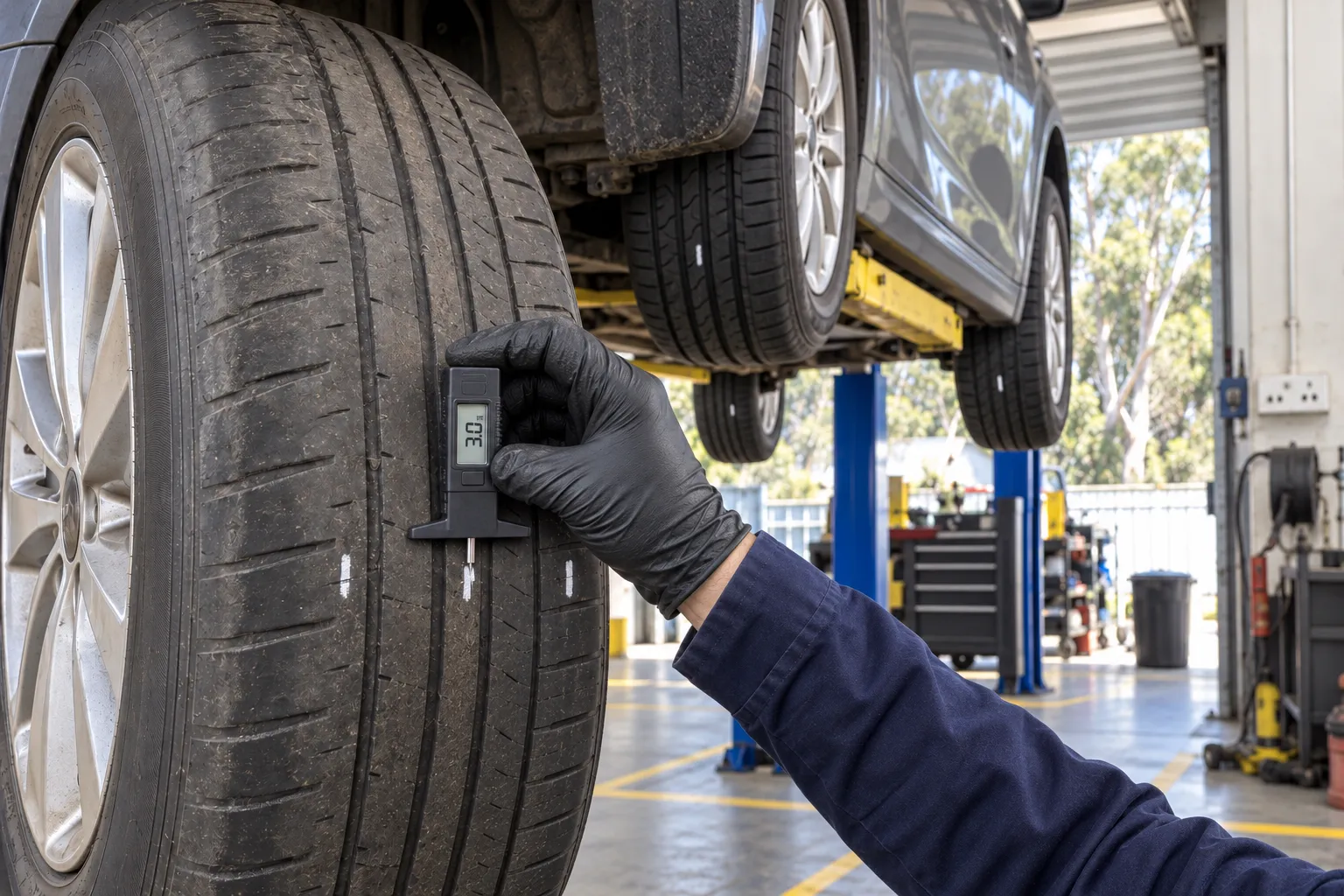
Several signs can indicate that a tyre has reached the end of its service life. Tread depth is important, but age, damage, uneven wear and changes in vehicle handling should also be considered before deciding whether to replace two tyres or all four.
As tread wears down, tyres can lose grip on wet roads. Under NSW roadworthiness requirements, tyres must have at least 1.5 mm of tread and must not be cracked, damaged or unevenly worn. Wet-weather performance can still decline before the legal minimum is reached, so a tyre professional should assess whether the remaining tread is suitable for the vehicle and driving conditions.
Wear that is heavier on one edge, patchy or noticeably different between tyres can indicate incorrect tyre pressures, wheel alignment, suspension problems or inadequate rotation. The underlying cause should be addressed before fitting new tyres to help prevent the replacements from wearing unevenly.
Cracks, bulges, cuts, exposed cords and sidewall damage can make a tyre unsafe even when it still has plenty of tread. Damaged tyres should be professionally assessed and may require immediate replacement.
Tyre rubber deteriorates and can become harder and more prone to cracking. Checking the tyre’s date code and looking for visible signs of ageing is important if the vehicle spends long periods parked outdoors.
Pulling to one side, increased vibration, reduced steering response or less grip during braking can indicate a tyre problem. However, alignment, suspension and other mechanical issues can cause similar symptoms, so an inspection may be needed to identify the cause.
The condition of all four tyres should be compared before replacing only the most worn pair. If the remaining tyres have less usable tread, are much older or show damage or unusual wear, replacing all four may provide more consistent grip and predictable handling.
When replacing only two tyres, the new pair should be as closely matched as practical to the tyres remaining on the vehicle. Differences in size, construction, tread characteristics or performance can affect grip, braking and handling.
Choosing tyres that match the vehicle’s specifications is important because tyre size, construction, load rating and speed rating can influence safety and performance.
Before fitting two new tyres, important factors include:
If the existing tyres are relatively fresh, evenly worn and compatible with the new pair, replacing two may be suitable. If they are more worn, aged or different in specification, replacing all four can provide a more consistent result.
Yes. Your vehicle’s drivetrain can affect whether replacing two tyres is suitable or if all four should be replaced. Front-wheel-drive (FWD) and rear-wheel-drive (RWD) vehicles are more tolerant of two-tyre replacement when the remaining pair is in good condition and closely matched.
All-wheel-drive (AWD) and four-wheel-drive (4WD) vehicles can be more sensitive to differences in tyre diameter and tread depth. Differences may affect drivetrain operation, so some manufacturers recommend replacing all four or keeping the tyres closely matched. Always check the vehicle manufacturer’s recommendations before replacing only one or two tyres.
When replacing only two tyres, the new tyres should generally be fitted to the rear axle, regardless of whether the vehicle is front-wheel drive, rear-wheel drive or all-wheel drive. Michelin Australia explains that fitting the new tyres to the rear axle provides greater rear grip and can help reduce oversteer and loss of stability on wet roads. The final arrangement should still follow the tyre professional’s advice and the vehicle manufacturer’s recommendations.
The tyres fitted to the same axle should also meet the vehicle’s required size, load and speed ratings and be compatible in construction and tread characteristics. The final replacement arrangement should follow the vehicle manufacturer’s recommendations.
New and worn tyres can be used on the same vehicle in some situations, provided the existing tyres are still safe, compatible and have sufficient tread. When replacing only two tyres, the new pair should generally be fitted to the rear axle, while tyres on the same axle should meet the vehicle’s required size, load and speed ratings.
Mixing becomes less suitable when there is a difference in tread depth, tyre characteristics or overall condition. AWD and 4WD vehicles can also be more sensitive to differences in rolling circumference, so the manufacturer’s recommendations should be followed. If the remaining tyres are old, damaged or more worn, replacing all four may be the better option.
Uneven wear can also indicate an underlying vehicle problem. Understanding the common causes of uneven tyre wear can help determine whether the problem is limited to the tyres or relates to alignment, suspension or steering components. Common causes include:
If the cause is not corrected, new tyres may develop the same wear pattern and have a shorter service life.
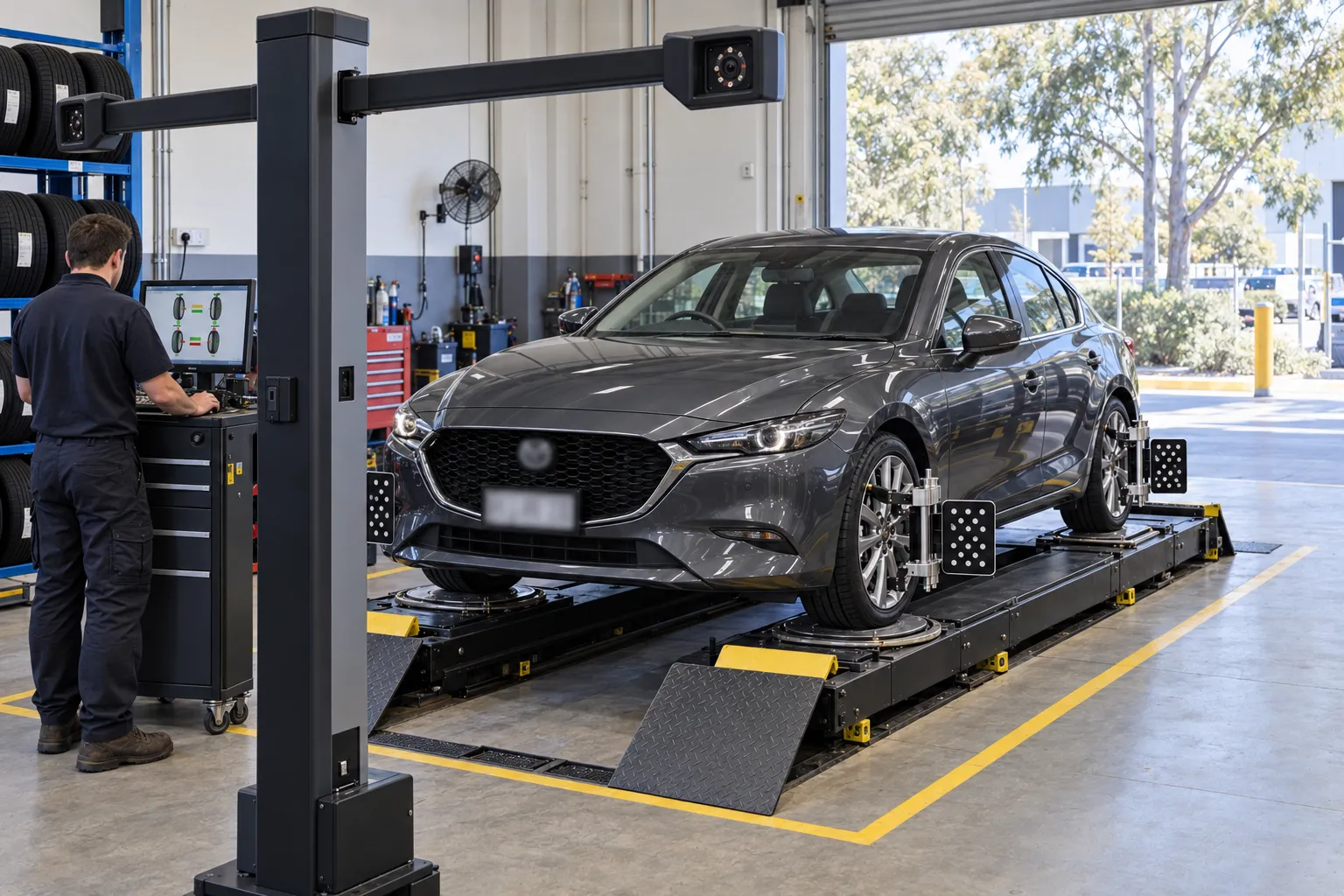
The cost of replacing two or four tyres depends on more than the number of tyres purchased. Key factors include:
Consider the complete replacement cost rather than looking at the tyre price alone. Checking what is included in fitting, balancing and other services can make it easier to compare options accurately.
Choosing between replacing two tyres or all four is about finding the right balance of safety, performance and long-term value. There is no universal rule that two tyres or four tyres are always the better choice. If the remaining tyres have sufficient tread, are in good condition and are compatible with the new pair, replacing two may be suitable. However, differences in condition, AWD or 4WD requirements, different tyre characteristics or ongoing handling issues can make replacing all four the better option.
When there is any uncertainty, having all four tyres inspected can help identify wear, age, damage and other issues that may affect the decision. Kar Pro Tyre & Auto can assess the condition of the tyres and recommend a replacement solution suited to the vehicle, driving conditions and budget, helping drivers maintain reliable grip and predictable handling.


.webp)
.webp)