


Local Mechanic vs Dealership: Which Is Better for Servicing Your Car?
February 13, 2026
Choosing where to service a vehicle is one of the most important decisions a car owner will make. Many drivers feel torn between the familiarity and perceived security of a dealership service department and the personalised attention and flexibility of trusted local workshops and mechanics in Campsie. Kar Pro Tyre & Auto sees both sides of this decision every day, which is why it’s important to explore how local mechanics compare with dealerships when it comes to cost, convenience, expertise, parts, quality and long-term care for a car.
Readers will gain clear insight into pricing differences, how service schedules and logbook requirements actually work, warranty and manufacturer standards, the level of diagnostic equipment, technical training on offer and what sort of customer experience can be expected in each setting. By understanding these practical distinctions, drivers can confidently choose the servicing option that best protects their vehicle performance budget and peace of mind rather than relying on assumptions or marketing promises.

Many car owners are unsure whether to book their next service with a local workshop or head straight to the dealership. The decision can affect cost, convenience, warranty protection and even how long the car is off the road, so it is natural to compare both options before committing.
Mechanics understand that most drivers are not just chasing the cheapest service. They want a workshop that is trustworthy, transparent and capable of looking after their specific vehicle without creating problems with warranties or resale value.
Price is often the first reason drivers start comparing a local mechanic with a dealership. Dealership service departments typically have higher hourly labour rates and may recommend genuine parts only. While genuine parts are high quality, they can increase the total bill.
Local mechanics are often more flexible. They may offer:
Vehicle owners want to know if the extra cost at a dealership actually delivers better value or if a skilled independent workshop can provide the same quality of work for less. They also look at what is included in the service, such as inspections, fluid top-ups and road tests, rather than just focusing on the headline price.
A common concern is whether servicing outside the dealership will void a new car warranty. Many drivers are told or assume that they must return to the dealer for every service. This leads them to compare options so they can protect their warranty without feeling locked in.
Car owners want clear answers to questions like:
Professional independent workshops are equipped to follow factory service schedules and use suitable parts and fluids. Owners compare workshops to find one that can meet these requirements so they can keep their warranty intact and still enjoy local service.
Time and hassle are just as important as money. Dealerships are often located in busy commercial areas with limited parking and set booking times. It can be difficult to speak to the same person each visit, and some owners feel like a number in a system.
Local mechanics often provide a more personal experience. Car owners value being able to:
Drivers compare workshops to find a balance between the perceived technical resources of a dealership and the personalised, community-focused service that a local mechanic can offer.
When drivers compare a local mechanic with a dealership, the first question is usually about price. In most cases, a like‑for‑like service or repair will cost less at an independent workshop than at a dealership, although there are some exceptions. Understanding where the extra costs come from helps customers decide when a dealership is worth the premium and when a mechanic can provide better value.
Service pricing is not just about the headline figure. The type of parts used, how labour is charged and what is included in the service all affect the final invoice. Looking closely at these details makes it easier to compare quotes fairly.
Dealerships typically use genuine manufacturer parts only. These parts match the originals exactly, but they are usually the most expensive option. Local mechanics can offer a choice of genuine parts, high‑quality aftermarket parts or remanufactured parts, depending on the age of the car and the customer’s budget.
For many routine items, reputable aftermarket brands perform just as well as genuine parts at a noticeably lower cost. On an average logbook service, this difference in parts pricing alone can mean a local workshop is cheaper than a dealership. Mechanics will explain the options available and the warranty that applies to each, so customers can balance cost and peace of mind.
Labour is where the biggest cost difference often appears. Dealerships have higher overheads, which are reflected in their hourly labour rates. A local mechanic generally operates with lower overheads, so the hourly rate is usually lower.
Dealerships may also work from flat‑rate guides supplied by manufacturers. While this can be efficient, it sometimes leads to customers paying for more hours than were actually needed. Independent workshops tend to charge only for the real time spent on the car. Over several services, this can add up to a substantial saving, especially for older vehicles that need more regular repairs.
Dealerships often sell fixed‑price service packages. These can look attractive, but they may include items that are not strictly necessary at the current mileage or local conditions. They may also exclude wear items, which are then added as extras. The final bill can be higher than expected.
Local mechanics usually build services around the actual condition of the vehicle. At Kar Pro Tyre & Auto, the technician can inspect the car, then explain which items are urgent, which can wait and what they will cost before proceeding. This approach helps avoid paying for unneeded work while still keeping the manufacturer's warranty intact as long as the service follows the logbook and quality parts and fluids are used.
When drivers compare a local mechanic with a dealership, training and equipment are usually near the top of the list. People want to know who is more likely to find the fault quickly, fix it properly the first time and protect modern electronics and safety systems.
Mechanics know that the right training and tools often matter more than the badge over the workshop door. Both dealerships and quality independent workshops can be highly capable, but they approach training and diagnostics a little differently.
Dealership technicians are usually trained by the vehicle manufacturer. They attend brand-specific courses, follow factory procedures and use guided software that steps them through known fault patterns. This can be an advantage for very new models or complex systems, such as late-model automatic transmissions and advanced driver assistance systems.
Independent workshops rely on a mix of trade qualifications, ongoing aftermarket training and hands-on experience across many makes. A well-run local workshop invests in regular update courses on topics such as:
This broader background can help when a vehicle is older, modified or has had repairs done elsewhere, as the technician is used to thinking beyond routines.
Dealerships have factory scan tools and direct access to the manufacturer's technical portal. This lets them:
Independent workshops now have access to very capable multi-brand diagnostic tools. There are professional scan tools that cover a wide range of makes and models, along with paid information platforms for wiring diagrams, service data and technical bulletins.
In real terms, diagnostic capability comes down to three things: accurate information, the right equipment and the technician’s process. Dealerships often excel when:
A skilled independent can be very competitive when:
Because independents see a wide variety of faults across brands, they tend to build up strong pattern failure knowledge. Combined with modern scan tools, oscilloscopes and smoke machines, this allows a thorough and efficient diagnostic approach without the dealership price tag.
Logbook servicing is the routine maintenance schedule set out by the vehicle manufacturer, usually listed by time or kilometres. Many drivers worry that using a local mechanic instead of the dealership will void their warranty, but this is not the case if the servicing is done correctly and documented properly.
Kar Pro Tyre & Auto follows manufacturer specifications so customers can choose a trusted local workshop while keeping both new car and extended warranties intact. The key is not where the car is serviced but how closely the required procedures and standards are followed.
A logbook service is not a generic oil change. It is a specific set of checks, adjustments and replacements listed for each service interval in the manufacturer's logbook or service schedule. This usually includes:
Technicians use the manufacturer's service schedule for each make and model rather than a one-size-fits-all checklist. This keeps the maintenance history consistent with what the manufacturer expects.
In Australia, consumer law allows owners to service their car at any qualified independent mechanic without voiding their warranty. The dealership cannot insist that servicing must be done at a dealership to keep the warranty valid.
To protect a warranty, the following conditions must be met:
Kar Pro Tyre & Auto uses quality parts that meet manufacturer standards and records each service in the logbook along with detailed invoices. If a warranty claim is needed, this paperwork shows that the vehicle has been maintained correctly, even though it was not serviced at a dealership.
Many drivers are told they must use genuine brand parts to keep the warranty. In most cases, consumer law only requires parts that are of equivalent quality to the genuine item.
Genuine parts are supplied by the vehicle manufacturer or its branded suppliers. Equivalent-quality parts are made to the same fitment and performance standards, often by the same manufacturers, without the carmaker logo on the box.
Many mechanics use reputable brands that match or exceed OEM standards and will use genuine parts where required or at the customer's request. The important detail is that the invoice clearly describes the parts used and confirms that they meet the specifications, so there is no question over the validity of the warranty.
Dealership servicing is not always the most convenient or cost-effective option, but there are specific situations where it can make good sense. Knowing when a dealership is the better choice helps drivers balance cost, convenience and long-term protection for their vehicle.
Professional mechanics recommend looking at factors like warranty status, the type of repair required and how new or complex the vehicle is. In some cases, a short trip to the dealer can prevent future headaches, even if most ongoing servicing is handled by a trusted local mechanic.
When a vehicle is brand new or still covered by a manufacturer's extended warranty, some owners prefer to use the dealership for certain visits. Australian law allows logbook servicing with an independent mechanic without voiding the warranty as long as the service follows manufacturer specifications and uses appropriate parts. However, there are still times when the dealer is more appropriate.
If there is a suspected factory defect, a recall or a problem that should be fixed at the manufacturer’s cost, the dealership is usually the first stop. Warranty repairs and recall work are performed only by authorised dealers and are billed back to the manufacturer, not the owner. For example, issues like a failing infotainment unit, a transmission shudder on a known affected batch or an airbag recall are handled by the dealership service department.
Keeping records of any dealer-performed warranty repairs together with independent logbook services provides a clear paper trail if a major fault appears later and a goodwill claim from the manufacturer is needed.
Modern vehicles rely heavily on software, coding and electronic modules. In some late-model cars, the dealership often has the most up-to-date factory diagnostic tools and access to brand-specific software.
Situations where the dealership may be more appropriate:
Professional mechanics can diagnose and repair most electronic issues, but where the manufacturer locks certain programming behind dealer systems, it can be more efficient to have that particular task handled at the dealership and then return to a local workshop for ongoing maintenance.
When a vehicle is affected by a safety recall or a service campaign that extends coverage on a known problem, the dealership is usually the required or most beneficial option. Recalls involving airbags, fuel systems, steering components or structural items are coordinated centrally by the manufacturer and carried out by dealers at no charge to the owner.
There are also situations where a manufacturer offers goodwill assistance for a known issue just outside warranty. Having the work assessed and documented by the dealer can improve the chance of partial or full coverage of repair costs. After the recall or goodwill repair is complete, day-to-day servicing can comfortably return to a local specialist.
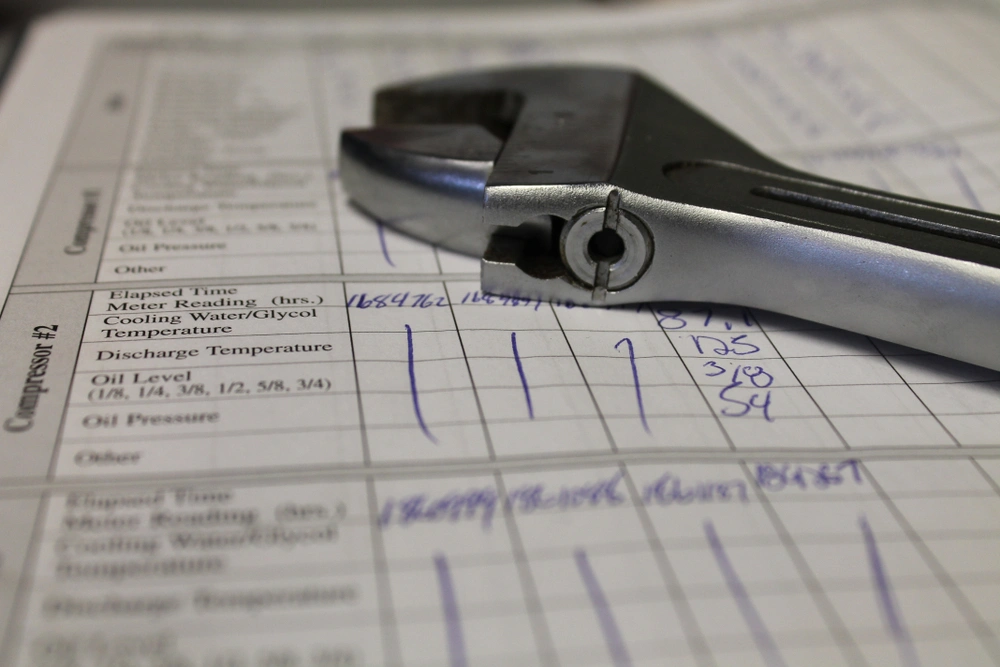
Independent workshops are often the most practical and cost‑effective choice for everyday servicing and many repairs. For most drivers, a trusted local mechanic can handle the bulk of their vehicle’s maintenance without affecting warranty coverage or safety.
Knowing when a local mechanic is appropriate helps drivers avoid paying dealership premiums when they are not necessary. There are cases where an independent workshop can offer the same quality of work with more personal service and faster turnaround times.
For most modern cars, routine logbook servicing does not have to be done at a dealership to keep the warranty valid. As long as the service follows the manufacturer’s schedule, uses appropriate quality parts and is properly documented, an independent mechanic is suitable.
This includes jobs such as oil and filter changes, cabin and air filters, brake inspections, fluid top-ups, battery checks and general safety inspections. A workshop can stamp the logbook and keep digital records so the vehicle’s service history stays complete for resale.
Independent mechanics are usually very well suited to work on components that regularly wear out. These parts are not highly brand-specific, so a skilled local technician can often supply and fit quality aftermarket or OEM‑equivalent parts at a lower price than a dealership.
Typical examples are:
Because local workshops work on a wide range of brands every day, they develop strong diagnostic skills with these systems and can often identify worn parts early, which helps prevent bigger repairs later.
Once a vehicle is out of its factory warranty, an independent mechanic is often the most sensible option. At this stage, the focus usually shifts from strict dealership servicing to balancing reliability with repair costs.
Local mechanics can:
For older vehicles, this tailored approach can keep the car safe and dependable without over‑capitalising. Mechanics can also help decide when a repair is no longer financially sensible compared with upgrading the vehicle.
An independent mechanic is especially appropriate for drivers who value convenience and a long‑term relationship with a single workshop. Local mechanics usually provide more flexible booking times, clear explanations in plain language and direct contact with the technician who worked on the car.
For families with multiple vehicles or drivers who rely on their car for work, having a nearby workshop that understands their driving habits, service history and budget can be an advantage. This relationship often leads to more honest advice and preventative maintenance, which helps avoid unexpected breakdowns.
The choice between a local mechanic and a dealership for servicing your car comes down to what matters most to you: personal service, cost-effectiveness and trust or brand-specific processes and new-car warranty ties. And sometimes, higher overheads. Dealerships can be the right fit for very new vehicles under factory warranty, complex manufacturer recalls or highly specialised diagnostic work. However, a well-equipped, experienced local workshop can handle the majority of servicing, repairs, tyres, brakes, suspension and diagnostics. Modern independent workshops invest in ongoing training, quality parts and up-to-date scan tools, so you don’t have to sacrifice quality to avoid dealership prices. The most important thing is to choose a service provider who is transparent, qualified and committed to looking after you for the long term. When you find that, whether it’s a local workshop or a dealership, you’ll have peace of mind every time you hand over your keys.


.webp)
.webp)