


Essential Maintenance Tips for Electric and Hybrid Vehicles
December 12, 2025
Electric and hybrid vehicles are becoming the preferred choice for drivers who want cleaner, quieter and more efficient transport. As ownership grows, so does the need for specialised servicing knowledge, especially when motorists search for a reliable mechanic in Miranda who understands the unique demands of modern EV and hybrid systems. At Kar Pro Tyre & Auto, we’ve seen how proper maintenance extends battery life, improves performance and prevents costly repairs down the line. With advanced electronics, cooling systems, software and charging components playing critical roles, staying proactive with your vehicle care is more important than ever.
Whether you’re a new owner or transitioning from a petrol vehicle, understanding how to maintain your EV or hybrid will help you enjoy long-term reliability, safety and efficiency.
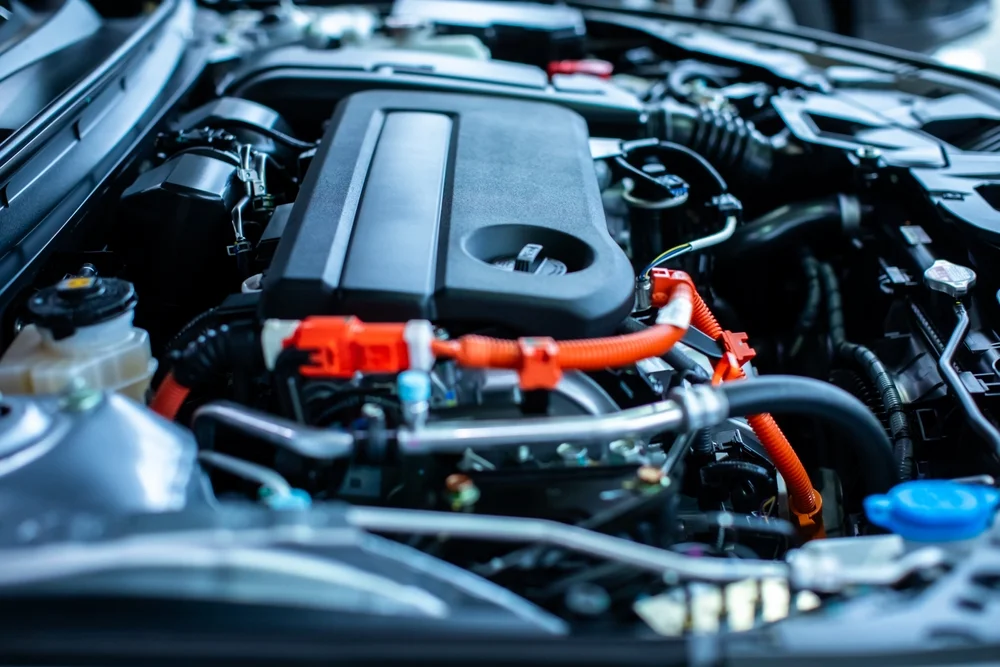
Electric, hybrid and petrol vehicles may look similar from the outside, but their internal systems and servicing requirements differ. These differences affect how often you should schedule maintenance, what components need attention and which warning signs should prompt a visit to a qualified technician. Understanding these distinctions helps you choose the right approach for caring for your vehicle and ensures that nothing important is overlooked during routine checks.
Electric and hybrid vehicles rely on electrical systems, high-voltage components and battery management systems that simply don’t exist in petrol engines. Because of this, owners must take a specialised approach to their care. Instead of oil changes and spark plug replacements, EVs and hybrids benefit from regular inspections of the systems that keep their drivetrains efficient, safe and cool. These systems require regular attention, including:
Drivers face a mix of city traffic, short commutes and varying weather conditions, all of which can impact EV and hybrid performance. Local driving patterns often mean more frequent braking, charging and temperature fluctuations, so staying ahead of maintenance becomes even more important. Understanding these factors ensures smoother operation and fewer surprises on the road. Local drivers should prioritise the following:
Many EV owners are transitioning from petrol vehicles, and the shift often comes with learning curves. Knowing what differences to expect can prevent unnecessary concern and help owners adapt confidently. Here’s what new EV owners often discover early on:
Your EV or hybrid’s battery is its most valuable and sensitive component. Paired with complex cooling systems and intelligent software, it forms the heart of your vehicle’s performance. Because these systems interact constantly, proactive inspection and timely updates are critical for maintaining health, efficiency and safety. When battery or cooling issues go unnoticed, performance drops, range decreases and long-term damage can occur.
Battery performance doesn’t typically decline overnight. Instead, small signs begin to appear long before the issue becomes serious. Learning to identify these early indicators helps you schedule a check-up before the problem affects your driving experience. Identifying these signs early helps maintain consistent battery performance and prevents small inefficiencies from turning into bigger concerns. Common signs include:
The cooling system, regenerative braking components and electrical systems in EVs and hybrids work together to maintain smooth, efficient performance. When any of these systems falls out of balance, the entire vehicle can feel less responsive. Keeping the systems in top condition ensures optimal performance and protects key components, making regular maintenance an important part of owning a car. Key maintenance checks include:
Software controls everything from battery management to driving efficiency and safety systems. Manufacturers often release updates that improve performance, increase range, fix bugs or enhance safety features. Skipping software updates can leave your vehicle running below its potential or missing critical improvements. Benefits of staying updated are:

Charging your EV or hybrid correctly is one of the best ways to protect your battery and electrical systems. Safe, consistent charging habits help extend battery lifespan, prevent overheating and reduce the risk of electrical faults. Alongside this, routine inspections ensure your vehicle’s key components remain in excellent working order, reducing the likelihood of unexpected breakdowns.
Charging an electric or hybrid vehicle may feel as simple as plugging in a device, but underneath the convenience lies a high-voltage system that requires careful handling. Both home charging setups and public charging stations come with their own safety considerations, and overlooking them can lead to unnecessary wear on your battery, electrical issues or even personal risk. By developing safe charging habits early and understanding how to manage equipment properly, you not only protect your vehicle but also ensure a consistent and stress-free charging experience. To charge safely at home or on the go, practise the following:
While electric and hybrid vehicles generally require fewer mechanical repairs, they demand more precise monitoring of electronics, cooling systems and battery performance. Many owners assume that the absence of engine oil or spark plugs means fewer inspection needs, but EVs rely heavily on diagnostics to catch issues before they grow into costly problems. During an inspection, technicians review the overall behaviour of the vehicle’s major systems, make necessary adjustments and verify that performance stays consistent. A thorough inspection should include checks on:
Even though EVs have fewer moving parts than petrol vehicles, they still experience wear in areas that many owners forget to monitor. Because electric drivetrains deliver instant torque, apply more pressure to tyres and rely heavily on HVAC systems, certain components deteriorate faster than expected. Ignoring these subtle wear patterns can reduce efficiency, comfort and performance. By paying attention to these commonly overlooked areas, you can stay ahead of issues and avoid unnecessary repairs. Frequently overlooked items include:
Selecting a qualified EV or hybrid mechanic is essential for ensuring safe, accurate servicing. Not all workshops are equipped to handle high-voltage systems, software diagnostics or specialised electrical components. Choosing the right professional ensures your vehicle receives the care it needs from someone who understands how these systems work and how to maintain them properly.
Choosing a mechanic for an electric or hybrid vehicle isn’t as simple as booking a routine service. Because EV and hybrid systems require specific tools and training, it’s important to confirm that your chosen workshop has the right expertise before booking a service. Before committing to any service appointment, it’s essential to confirm that the workshop has the necessary qualifications and tools to care for your vehicle properly. Asking the right questions upfront gives you confidence that your EV or hybrid is in capable hands. Before choosing a workshop, ask questions such as:
While electric and hybrid vehicles may appear similar at a glance, each brand uses its own software, battery technology, components and system interfaces. This is why experience across multiple EV makes and models is such a significant advantage; it allows a mechanic to understand the nuances of different drivetrains, charging behaviours and diagnostic protocols. A workshop familiar with your specific brand will be better prepared to identify issues quickly, interpret system alerts accurately and perform maintenance that aligns with manufacturer expectations. This level of expertise can save you time, money and frustration. Choosing a mechanic with brand-specific experience offers:
A truly capable workshop will have invested in specialised equipment, advanced diagnostics and strict safety procedures to safely manage high-voltage vehicles. When you walk into a workshop prepared for EVs and hybrids, you’ll often see immediate visual indicators. These aren’t optional extras; they’re essential for handling the voltage levels and electrical risks EV systems present. Knowing what to look for helps you choose a workshop that prioritises safety, precision and long-term vehicle care. A properly equipped EV workshop will typically have:
Electric and hybrid vehicles may require less mechanical servicing than traditional petrol cars, but they depend heavily on specialised care, system diagnostics and proactive maintenance. From battery health and cooling performance to safe charging habits and software updates, every element keeps your vehicle efficient, safe and reliable. At Kar Pro Tyre & Auto, we treat every EV and hybrid with the same level of precision and care we’d expect for our own vehicles. If you want confidence in your servicing, expert diagnostics and a team trained in the latest electric and hybrid technologies, we’re here to help. Book your service today and keep your EV or hybrid running safely, efficiently and reliably. No guesswork, no shortcuts, just skilled local care you can trust.


.webp)
.webp)