


Will Larger Wheels Make My Car Better to Drive?
October 28, 2026
Larger wheels can make a car’s steering feel more responsive, but they do not automatically improve the way it drives. When paired with lower-profile tyres, they may also produce a firmer ride and provide less cushioning over potholes. Whether the change is worthwhile depends on the vehicle, the complete wheel and tyre combination, and the driver’s priorities.
For motorists comparing tyres in Campsie, Kar Pro Tyre & Auto can provide advice on suitable options before a different wheel size is purchased. Understanding the effects on comfort, replacement costs and compatibility can help drivers decide whether larger wheels suit their daily travel or whether suitable tyres on the existing wheels would be a better choice.
The most noticeable differences often involve steering response and ride comfort. However, wheel diameter is only one part of the result. Tyre construction, inflation pressure, wheel weight and suspension design also influence how a car feels on the road.
The wheel is the rigid component inside the tyre. Its diameter differs from the overall diameter of the fitted tyre, which includes the sidewall above and below the wheel.
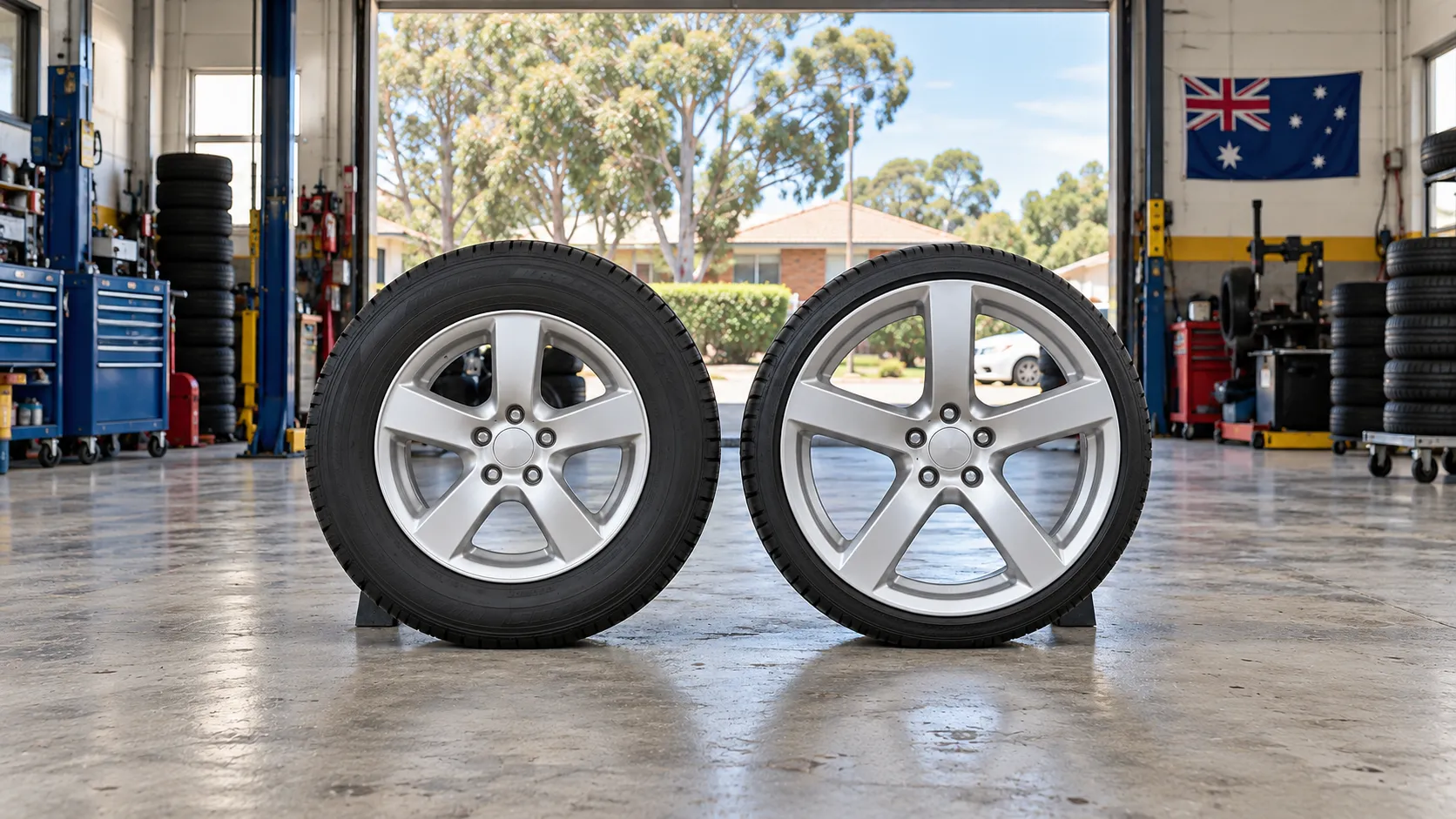
When a larger wheel is fitted, a tyre with a shorter sidewall is commonly used to keep the overall diameter close to the vehicle’s intended specification. This approach increases wheel diameter without substantially increasing the outside diameter of the complete assembly.
Fitting larger wheels without selecting appropriate tyres can change the overall rolling diameter. That can affect more than appearance, including speedometer readings and vehicle-system compatibility. The useful comparison is between complete, suitable wheel and tyre combinations.
A tyre’s sidewall contributes to its ability to absorb road irregularities. A shorter sidewall generally provides less cushioning, although tyre construction, inflation pressure and suspension design also affect ride comfort.
For everyday trips through Campsie, this may mean sharper jolts over patched surfaces, driveway transitions and rough sections of road. A combination that feels responsive on smooth pavement may feel harsher over repeated bumps.
Drivers should consider their usual routes and passengers’ comfort when comparing options. A brief drive on a smooth road may not reveal how the change will feel during a regular commute.
A shorter sidewall may flex less under cornering loads, making steering inputs feel more immediate. That sensation alone does not establish that the tyres provide more traction.
Grip also depends on rubber compound, tread design, tyre condition, temperature and road conditions. A larger wheel fitted with an unsuitable tyre is not necessarily an improvement over a smaller wheel with a well-matched tyre.
Understanding the tyre features that affect performance helps distinguish steering response from wet-weather capability and other useful qualities. Any proposed upgrade should be assessed against the specific characteristic the driver wants to improve.
Lower-profile tyres can affect impact resistance, ongoing costs and replacement choices. These trade-offs vary between combinations, so they deserve attention before the initial wheel and tyre package is purchased.
A shorter sidewall generally leaves less cushioning between a road impact and the wheel. A severe pothole strike may damage the tyre, the wheel or both. Impact speed, vehicle load, inflation pressure and the shape of the pothole all influence the outcome.
Damage is not inevitable, and a taller sidewall does not make a tyre immune to impact damage. However, reducing sidewall height can reduce the margin for absorbing a hard strike, which matters on routes with frequently uneven surfaces.
After a significant impact, a bulge, pressure loss or new vibration warrants professional inspection. Some damage may not be visible from the outside, so appearance alone cannot confirm that the wheel and tyre remain sound.
A wheel package may be affordable initially while leaving the owner with more expensive replacement tyres. Suitable tyres for larger wheels can cost more, although the difference depends on the size, brand and tyre range being compared.
Less common sizes may also offer fewer suitable choices or need to be ordered. Where a vehicle uses different front and rear tyre sizes, availability should be checked for both. This becomes particularly relevant when a damaged tyre needs replacing unexpectedly.
Before buying, drivers should compare fitted replacement prices for suitable tyres in the existing and proposed sizes. The comparison should consider load capacity, speed rating and intended use as well as purchase price. Tyres sharing the same nominal size do not necessarily offer equivalent comfort or wet-road performance.
A larger-diameter wheel is not necessarily wider or heavier, but either characteristic may change with the proposed package. These differences can affect the driving experience independently of diameter.
Wider tyres can alter steering behaviour and may make a car more sensitive to grooves or irregularities in the road. Width alone does not guarantee better grip in every condition.
A heavier wheel and tyre assembly also gives the suspension more mass to control as it moves over bumps. This can affect ride quality and responsiveness, while additional rotating mass may affect acceleration and energy use. The actual components need to be compared before making claims about performance or fuel consumption.
A suitable combination must meet the vehicle’s load requirements, fit its mounting arrangement and operate with adequate clearance. Compatibility needs to be established before purchase, rather than judged by how the wheels look while the car is parked.
The vehicle’s tyre placard and manufacturer information provide the starting point for checking suitable sizes, ratings and inflation requirements. Different variants of a similar-looking car may have different brakes, suspension or approved combinations.
A size fitted to another version of the vehicle is therefore not enough, by itself, to confirm suitability. Assessment should relate to the exact vehicle and the complete proposed package.
Relevant details include wheel diameter, width, offset, mounting specifications and tyre dimensions. Offset describes the position of the wheel’s mounting face relative to its centreline and affects how far the wheel sits inward or outward.
Tyres need appropriate load capacity and speed capability for the vehicle. These specifications remain important even when a tyre fits the proposed wheel and has the desired appearance.
The wheel itself must also have adequate load capacity. A larger diameter or greater width does not automatically establish that either component can safely carry the required load.
Inflation pressures should be confirmed for the approved combination and operating load. The pressure used for the current tyres should not automatically be carried over to an alternative specification.
Clearance must be checked around the brakes, suspension and bodywork throughout steering movement and suspension travel. Loading the vehicle can also affect the available space, so a static visual check is insufficient.
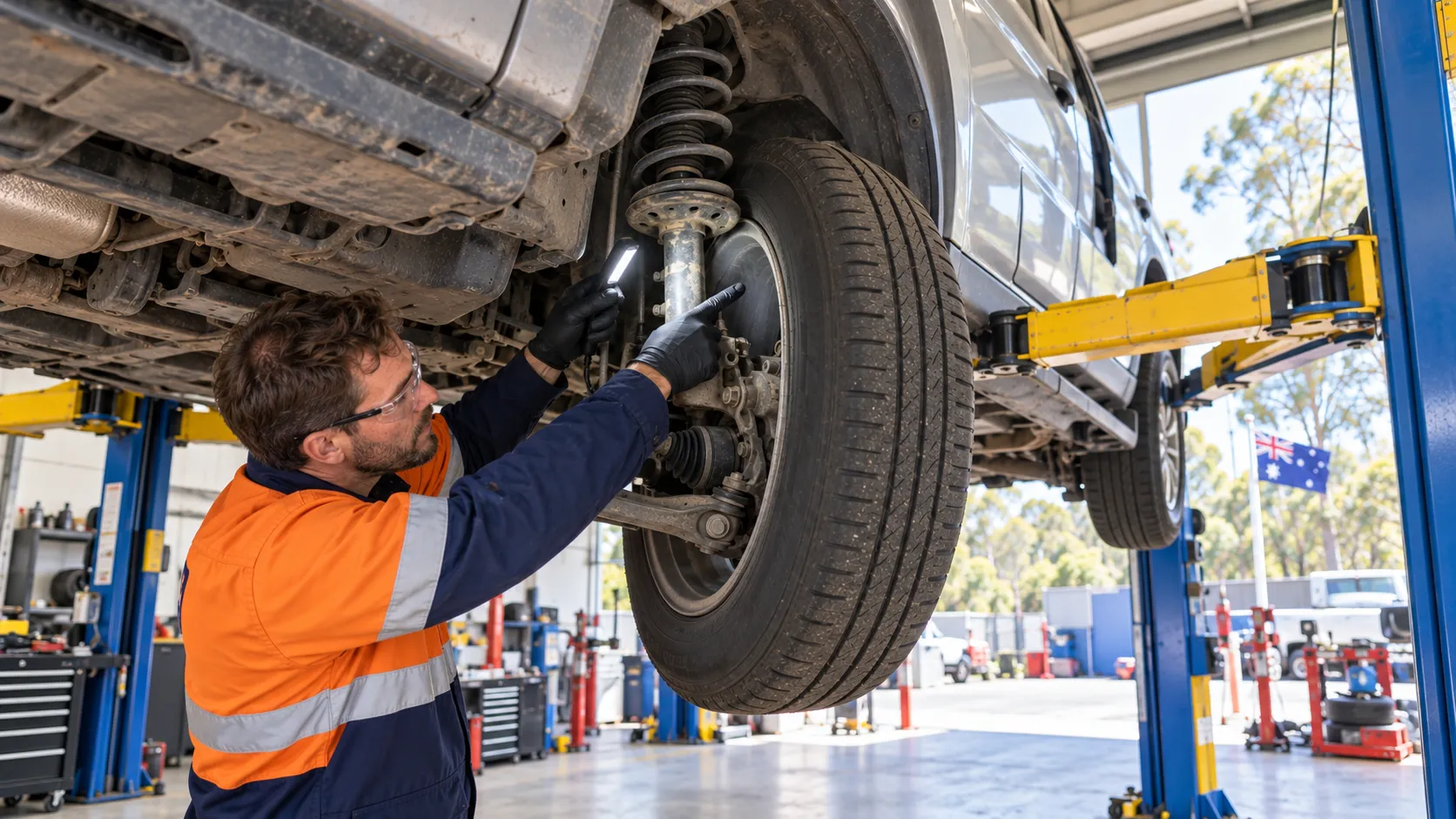
Changes in overall rolling diameter can affect speedometer readings and systems that rely on wheel-speed information. The relationship between front and rear tyre diameters can be particularly important on some all-wheel-drive vehicles and vehicles with manufacturer-specified staggered fitments.
For NSW-registered vehicles, the proposed change should also be checked against Transport for NSW’s guidelines for alternative wheels and tyres, listed as VSI 09. Significant modifications may require assessment and certification by a licensed certifier. A tyre or automotive professional can help assess fitment, but any required certification must be handled by an appropriately licensed certifier.
Wheel diameter may not be the most useful starting point when the aim is a more comfortable or predictable car. Identifying the concern first makes it easier to compare suitable changes.
For a driver seeking fewer jolts on rough roads, a shorter sidewall may work against the main objective. Someone who prefers more immediate steering response may be willing to accept a firmer ride. Appearance can also be a valid reason for changing wheels, provided the practical compromises are understood.
New vibration, pulling or unusual tyre wear should be investigated before a wheel-size change is considered. These symptoms may indicate an existing tyre, alignment or mechanical issue. Understanding what uneven tyre wear can reveal can help motorists describe their concerns when booking an inspection.
Tyres in the same size can differ in ride comfort, road noise and steering response. Retaining the existing wheels still allows scope to select a tyre that better matches everyday driving priorities.
The condition of the current tyres also matters. Comparing worn tyres with an entirely new wheel and tyre package makes it difficult to identify whether any improvement came from the larger wheels or simply from fitting suitable new tyres.
Before committing to a different diameter, drivers can compare appropriate tyres in the existing size. These tyre choices for Campsie drivers provide further context for choosing tyres around the vehicle and its usual use.
Larger wheels may suit some drivers, but a better driving experience depends on the complete package and the priorities it serves. Comfort, steering feel, replacement costs and vehicle compatibility should all inform the decision.
Kar Pro Tyre & Auto can help motorists compare suitable tyre options for their existing wheels and a proposed alternative. Bringing the vehicle details and proposed wheel specifications allows a more useful discussion before purchase. For drivers who value comfort and everyday usability, retaining the current wheel size with suitable tyres may be the more practical choice.


