


Why Tyres Are So Expensive Now (And Whether You’re Being Ripped Off)
January 23, 2026
Tyres are more expensive today because the cost of making, transporting and supplying them has increased significantly, not simply because shops are charging more. At Kar Pro Tyre & Auto, we regularly speak with customers searching for tyres in Campsie who want clarity, not sales pressure.
This article is for drivers who feel shocked by tyre quotes and wonder whether they are paying fair value or being taken advantage of. This matters because tyres affect safety, fuel efficiency and long-term running costs, not just your wallet at the counter.
In this guide, you will learn why prices have risen, what you are actually paying for, common pricing tactics to watch for and how to tell the difference between fair value and a rip-off.

Tyre pricing has not changed for just one reason. It has shifted due to a combination of global pressures and local realities. Understanding these factors helps explain why prices look very different from just a few years ago. Remember, many of these increases happen long before tyres reach a local shop. By the time they arrive, multiple cost layers have already been added.
Tyre manufacturing relies on global factories, raw materials and shipping networks that have faced major disruption in recent years. Delays, factory shutdowns and reduced output all push prices higher. These pressures affect availability, lead times and wholesale pricing across most brands.
The biggest contributors are:
When supply tightens, wholesale prices rise before retailers even see the product.
Modern tyres use advanced rubber compounds, steel belts, silica and synthetic materials that are far more expensive than older designs. These materials improve performance but cost more to source and process. As raw material prices rise globally, tyre manufacturing costs rise with them.
Elements that influence overall cost are:
Better materials improve safety and longevity, but they come at a higher base cost.
Australia’s distance from manufacturing hubs adds a layer of cost that many overseas markets do not face. Shipping, port handling, fuel and domestic freight all affect final pricing. Even after tyres arrive, local transport costs continue to add up.
Australian-specific factors include:
These costs are unavoidable and directly influence retail pricing.
Tyre pricing reflects far more than just the rubber that touches the road. It accounts for performance, lifespan, safety features, ride comfort, noise levels and how well the tyre performs in different weather and road conditions. Understanding what sits behind the price helps separate genuine value from marketing claims and prevents paying for features you may never use.
Not all tyres are designed for the same driver, vehicle or driving environment. City commuters, highway drivers and regional motorists place very different demands on their tyres. Paying the right amount means choosing a tyre that matches how you actually drive, how often you drive and the conditions you regularly face, rather than simply choosing the cheapest or most expensive option.
Tyres generally fall into three pricing categories, each serving different needs and expectations. The difference is not just branding but design, materials and testing. Knowing the role of each category helps avoid overpaying or underbuying.
Variations commonly seen are:
The right choice depends on driving habits, vehicle type and annual kilometres.
Modern tyre technology directly affects how long tyres last and how they perform on roads. Better technology often means quieter rides, improved wet grip and slower wear. These features increase manufacturing costs but also improve everyday driving.
Technology influences:
A higher price often reflects engineering improvements rather than profit padding.
Not every expensive tyre is the best option for every driver. Paying more than necessary can happen when tyres exceed real-world needs. Value comes from suitability, not the highest price tag.
Overpaying may occur when:
Matching tyres to use is more important than chasing top-tier labels.
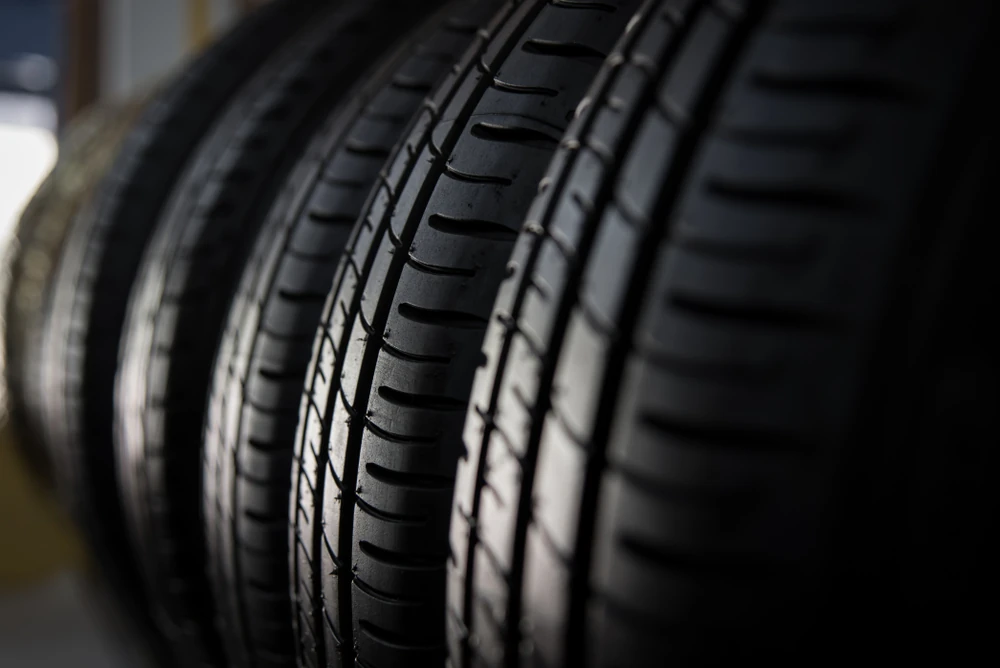
Tyres often feel expensive because pricing is not always presented in a clear or consistent way. The way prices are displayed, explained or bundled with services can make the final bill seem much higher than expected, even when the base tyre price is reasonable. This lack of transparency is a common source of frustration for many drivers.
Knowing these pricing tactics helps drivers compare quotes properly and avoid false assumptions. Most price confusion comes from how costs are packaged, added or explained rather than outright dishonesty. When you understand what is included and what is not, tyre pricing becomes easier to assess and far less intimidating.
Well-known tyre brands invest heavily in marketing, motorsport and sponsorships. These costs are built into the retail price. Brand recognition can influence pricing even when performance differences are minimal for everyday driving.
This often results in:
Brand does not always equal better value for every driver.
The advertised tyre price is rarely the final price. Additional services can add to the total if not explained clearly. Understanding what is included avoids surprises at checkout.
Common add-ons include:
Transparent quotes should clearly list these items upfront.
Price differences between shops often reflect overheads, stock sourcing and service levels rather than pricing tricks. A cheaper quote is not always cheaper once service quality is considered.
Variations are influenced by:
Comparing like-for-like quotes is essential for fairness.
Not all expensive tyre quotes are unfair, and not all cheap quotes represent good value. The key is understanding whether the recommendation genuinely fits your driving reality, vehicle requirements and the conditions you regularly drive in. Price alone does not determine fairness. Context and suitability matter just as much.
A fair price aligns with how the vehicle is used, the level of safety required and the expected lifespan of the tyre. Confidence comes from asking the right questions and understanding the reasoning behind recommendations, rather than feeling pressured to accept a quote without clarity. When the explanation makes sense, the price usually does too.
A fair recommendation considers how, where and how often you drive. It should be practical, not generic. Good advice is based on real usage, not upselling.
A sensible recommendation typically considers:
When advice feels personalised, it usually is.
Asking clear questions helps reveal whether pricing is justified. A reputable shop should answer openly and clearly. Transparency is a strong indicator of fairness.
Useful questions include:
Clear answers build trust and confidence.
Cheaper tyres can wear faster, perform worse in wet conditions or increase fuel consumption. Over time, this can cost more than paying slightly more upfront. Long-term value matters more than the lowest initial price.
Higher long-term costs may come from:
The cheapest tyre is not always the most economical choice.
Tyres are more expensive today because the entire supply chain has changed, not because drivers are being routinely ripped off. Understanding pricing, technology and transparency helps you make confident decisions rather than emotional ones. At Kar Pro Tyre & Auto, we believe informed customers make better choices and get better value, not just lower prices. If you understand what you are paying for, tyre pricing stops feeling like a mystery and starts making sense.


.webp)
.webp)