


How to Prepare Your Car for Every Season: Essential Maintenance Tips
December 9, 2025
Preparing your car for Australia’s unpredictable weather is one of the most important steps in keeping your vehicle safe, comfortable and dependable throughout the year. Our climate can shift quickly, from scorching summer heat and high UV exposure to sudden storms, thick fog, dry conditions and cool winter mornings. Each of these factors affects how your car performs and how quickly different parts begin to wear.
At Kar Pro Tyre, we see every day how consistent and proactive maintenance prevents avoidable repairs, reduces unexpected breakdowns and helps drivers stay more confident on the road. Australian driving conditions can be tough, especially with stop-start traffic, long-distance travel, coastal humidity and strong sun exposure placing extra strain on vehicles. With the right routine and support from experienced mechanics in Campsie, your car can stay prepared for every season and remain reliable through everyday driving and longer trips.
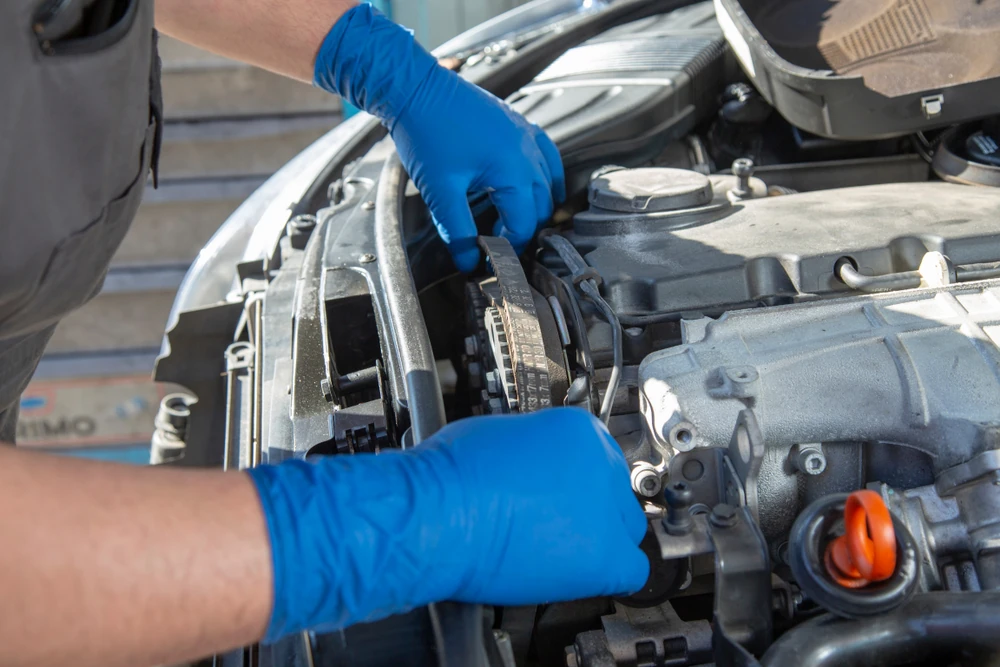
A good maintenance routine starts with the essential checks that keep your vehicle running smoothly in any weather. These ongoing tasks form the foundation of reliable performance and help your car cope with everything from heatwaves to heavy rain. Australian roads can be demanding, and the combination of stop-start city driving, rougher suburban roads, long highway trips and dusty regional conditions means your vehicle experiences a wide range of stress throughout the year. Staying on top of the basics reduces the risk of sudden failures and ensures your car continues to respond the way it should in all seasons.
Regular checks are especially important before long trips, during summer traffic, and after driving in wet or coastal environments. By following a consistent routine, you maintain the health of the engine, brakes, cooling system and electrical components, and you give yourself the best chance of avoiding costly repairs later.
Healthy fluids and clean filters allow your engine, cooling system and brakes to operate efficiently, and they play a major role in how well your car handles Australia’s varied climate. High temperatures, long periods of idling in traffic, coastal humidity and dusty roads all accelerate wear, which means these components need regular attention throughout the year.
Key areas to check include:
Engine oil
Proper lubrication prevents metal components from overheating or grinding against each other. Hot weather and heavy traffic can cause oil to break down faster, especially in older vehicles, so regular checks help avoid premature engine wear.
Coolant levels and condition
Coolant regulates engine temperature, and its effectiveness can decline over time. In Australia, where summer road temperatures can rise sharply, maintaining strong coolant protection is essential to prevent overheating and long-term engine damage.
Brake fluid
Brake fluid absorbs moisture, which can reduce braking power. Humid or coastal environments can cause this fluid to deteriorate more quickly, making periodic inspection important for safe stopping performance.
Transmission fluid
Clean and correctly filled transmission fluid ensures smooth shifting and reduces strain on the drivetrain. Long highway drives and frequent start-stop driving can cause the fluid to degrade sooner, so staying on top of its condition helps prevent costly repairs.
Air and cabin filters
Dust, pollen and bushfire smoke can clog filters faster than expected. Clean filters help maintain proper airflow, fuel efficiency and healthy air quality inside the cabin, particularly during summer and spring when airborne particles are more common.
Belts and hoses
High UV exposure and engine heat can cause rubber components to harden, crack or leak over time. Checking belts and hoses helps prevent sudden failures that can leave you stranded.
By keeping these fluids, filters and wear items in good condition, you reduce unnecessary strain on your vehicle and significantly lower the chance of avoidable issues developing down the track.
Cars often show early signs of trouble that can be easy to overlook, especially when the changes are gradual. Paying attention to unusual sounds, new vibrations or small shifts in how your car drives can help you pick up issues before they become serious. These early symptoms often point to low or deteriorating fluids, worn components or developing electrical faults that can worsen quickly under Australian conditions such as high heat, heavy rain or stop-start traffic.
Common warning signs include:
Dashboard lights that stay on or flicker
New noises such as grinding, clicking, knocking or squealing
Vibrations in the steering wheel, pedals or at highway speeds
Changes in braking feel such as a soft pedal or longer stopping distance
Difficulty starting, especially on cold mornings or after hot days
Smells of fuel, burning or overheating coming from under the bonnet
Loss of power when accelerating or climbing hills
Addressing these signs early reduces the risk of being stranded, avoids larger mechanical failures and ensures your car remains safe and predictable to drive in all weather conditions.
Small, consistent inspections can make a significant difference to your car’s long-term reliability. Many major repairs begin as minor issues that go unnoticed, such as a slow coolant leak, uneven tyre wear or early signs of corrosion. By checking key components regularly, you can catch these problems before they escalate and protect your vehicle from avoidable damage, especially during the hotter months when cars are more likely to overheat or struggle under heavier loads.
Regular checks help:
Prevent overheating by ensuring coolant, hoses and fans are working at their best during high-temperature periods
Maintain fuel efficiency by keeping filters clean, tyres properly inflated and fluids in good condition
Reduce wear on essential parts such as brakes, belts and suspension components
Avoid breakdowns on long trips where high heat, long distances and extended idling can put extra pressure on the engine
Extend your vehicle’s lifespan by minimising strain across the engine, drivetrain, electrical system and safety components
When your car receives periodic attention, it stays ready for changing seasonal conditions and daily driving demands. A consistent maintenance routine is one of the most reliable ways to protect your investment and keep performance predictable all year.
Australia’s climate can be harsh, and seasonal changes place very different demands on your vehicle. Long stretches of extreme heat can push cooling systems to their limits, heavy rain can reduce visibility and affect braking performance, and cold or damp conditions can increase corrosion and electrical issues. Even daily driving creates wear through stop-start traffic, short trips and exposure to high UV levels. Preparing your car for these conditions helps maintain performance, safety and comfort throughout the year.
Heatwaves can cause engines to run hotter, tyres to expand and batteries to drain faster. Wet weather introduces challenges such as reduced traction, fogged windscreens and water buildup in braking components. Cooler mornings in winter can affect battery strength and increase moisture inside the vehicle, especially if parked outdoors. The right preparation helps your car stay responsive across all these situations and reduces the likelihood of sudden issues forming when the weather shifts without warning.
High temperatures place significant stress on your engine and cooling system, especially during summer or long drives on hot bitumen. Overheating is one of the most common causes of roadside breakdowns in Australia, particularly when travelling in slow-moving traffic, towing, or driving long distances during holiday periods. When coolant levels drop, hoses weaken or the radiator becomes clogged, your engine cannot regulate its temperature effectively, which increases the risk of damage to critical components.
To reduce overheating risks:
Check coolant levels frequently, especially before long trips or during peak summer heat
Inspect radiator hoses and caps for cracks, swelling or leaks
Ensure radiator fans are working correctly, as they play a key role in cooling the engine at low speeds
Replace old coolant that has lost its effectiveness in protecting the engine from heat
Avoid long periods of idling in direct sun, which can rapidly increase engine temperature
Park in shaded or covered areas when possible to reduce heat buildup under the bonnet
If you notice the temperature gauge rising above normal, turn off the air conditioning and switch the heater to its hottest setting to draw heat away from the engine. Pull over safely and allow the car to cool before checking the problem. These simple steps can prevent major engine damage and help your car stay reliable on Australia’s hottest days.
Heavy rain, coastal moisture, fog and sudden storms can appear quickly in many parts of Australia, making visibility one of the most important safety factors on the road. Even light rain can smear across the windscreen if wipers are worn, while fog or humid conditions can fog up the interior glass and reduce your ability to react to hazards. Keeping your windscreen, wipers and lighting systems in good condition ensures you can see clearly in challenging weather and helps you stay safe during sudden changes in driving conditions.
Maintain good visibility by checking:
Headlight brightness and clarity, ensuring lenses are clean and not faded from UV exposure
Wiper blade condition, replacing them if they skip, smear or leave streaks on the windscreen
Demister and air conditioning performance, which helps clear fogged interiors quickly
Washer fluid levels, especially during pollen season or after long highway trips
Clean interior and exterior glass to reduce glare from headlights and sunlight
Clear visibility gives you more time to respond to sudden stops, merging traffic or debris on the road. Well-maintained lighting and wipers are essential in wet, foggy or stormy conditions and help protect both you and other drivers.
Moisture from rain, coastal air, frost and humid conditions can cause rust, electrical corrosion and weakened battery performance. These problems often develop slowly and remain unnoticed until they create more serious issues. Cars parked outdoors, driven in coastal suburbs or exposed to heavy rain are especially vulnerable, as moisture can settle in hidden areas around seals, underbody components and electrical connections.
Helpful steps include:
Washing the underbody regularly, particularly if you live near the coast where salt in the air accelerates rust
Moisturising door and window seals with silicone-based products to prevent cracking and water entry
Checking battery terminals for early signs of corrosion, which can affect starting power in both hot and cold weather
Keeping the interior dry, avoiding damp floor mats, wet towels or condensation buildup that encourages mould and musty smells
Applying protective sprays to exposed metal parts, hinges and electrical connectors to help reduce corrosion
These preventative measures support your vehicle’s structural integrity, protect wiring and electronics, and help ensure reliable performance throughout the year. Moisture-related issues are common in Australia, but they are also some of the easiest to prevent with simple regular care.
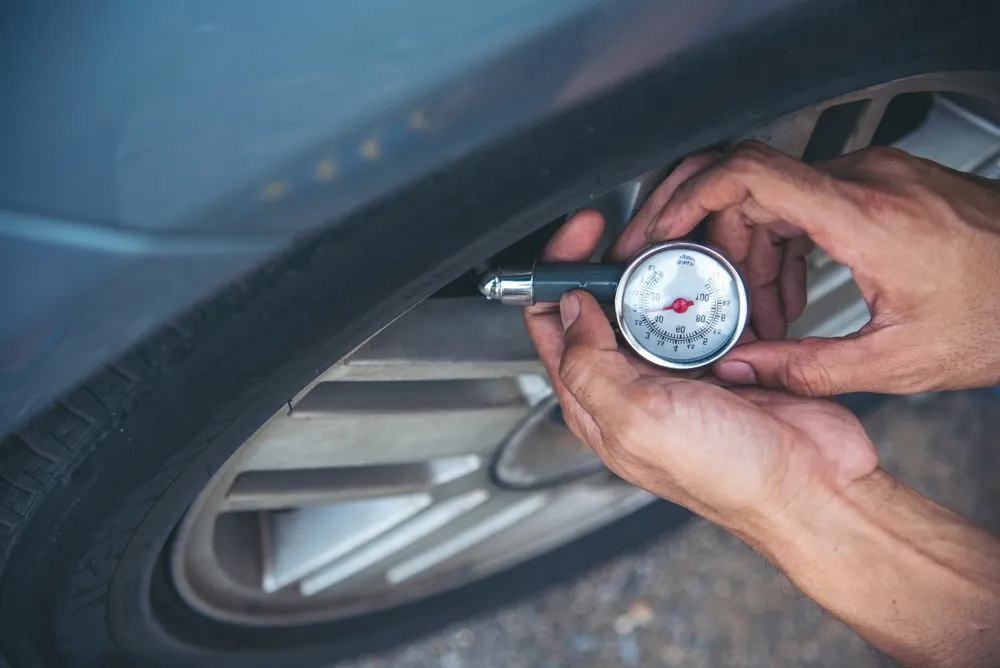
Your tyres, brakes and electronic safety systems play a crucial role in maintaining control of your vehicle, especially when weather conditions change. Heat, rain, uneven roads and daily stop-start driving can all affect how your car grips the road, how quickly it stops and how well its stability systems perform. Regular inspections help ensure these essential components remain dependable and ready for both everyday travel and longer road trips.
Seasonal changes can impact tyres differently, with hot weather increasing pressure and softening rubber, and cooler conditions reducing pressure and affecting traction. Brakes can also wear more quickly during wet months or after frequent short trips. Safety systems such as ABS and traction control rely on clean sensors and strong electrical connections to function properly, so it is important to ensure they remain in good working order throughout the year.
Tyres respond directly to changes in temperature and road conditions, which makes regular checks essential for safe and efficient driving. Hot weather can increase tyre pressure, while cooler mornings can reduce it, and both situations affect how your car handles on the road. Australian roads often combine coarse surfaces, high summer heat and long-distance driving, all of which contribute to faster tyre wear.
Important tyre checks include:
Tread depth, ensuring it remains well above the legal limit of 1.5 mm for safe grip in wet conditions
Correct tyre pressure, adjusted according to the manufacturer’s recommendations and checked more frequently during seasonal temperature changes
Sidewall inspection, looking for cracks, bulges or cuts that may develop from hitting potholes or driving on rough surfaces
Wheel alignment, which keeps your car tracking straight and prevents uneven wear caused by kerbs, potholes or long-term city driving
Regular rotation, helping extend tyre life by evening out wear patterns between front and rear wheels
Well-maintained tyres improve fuel efficiency, reduce the risk of blowouts or skidding and ensure smoother handling on both dry and wet roads. A quick monthly check can make a significant difference in safety and comfort during everyday driving.
Your braking system naturally wears down over time, and changes in weather, driving habits and road conditions can all influence how quickly that wear occurs. Wet weather, heavy traffic and frequent short trips can cause moisture to build up on brake components, leading to reduced effectiveness. If brakes are not inspected regularly, small issues such as uneven pad wear or low brake fluid can quickly compromise your vehicle’s stopping power.
Check your brakes for:
Squealing or grinding noises, which often indicate worn brake pads or metal-on-metal contact
Vibrations when braking, a sign of warped rotors or uneven wear
Increased stopping distance, especially noticeable in wet conditions or during downhill driving
Uneven brake pad wear, which may point to sticking calipers or alignment issues
Low or contaminated brake fluid, which can reduce braking efficiency and cause a soft or spongy pedal feel
Reliable brakes are essential for safe driving in both dry and wet conditions, particularly on Australian roads where sudden rain, steep hills or busy urban traffic can demand quick and controlled stopping. Regular inspections ensure your braking system stays responsive and ready for any situation.
Modern vehicles rely heavily on electronic safety systems to maintain stability, prevent wheel lock-up and improve traction during sudden braking or slippery conditions. These systems work in the background every time you drive, but they can only perform correctly when their sensors and electrical connections are clean, secure and functioning as intended. Dust, road grime, moisture and general wear can all interfere with how these systems operate.
Key areas to inspect include:
ABS warning lights, which should never stay illuminated once the car is running
Traction control responsiveness, ensuring the system engages when wheels begin to slip
Sensor cleanliness and calibration, especially around wheel hubs where dirt and brake dust can build up
Wiring and connection integrity, checking for corrosion or damage that may disrupt signals between sensors and the vehicle’s computer
A well-maintained safety system provides greater stability when braking suddenly, cornering on wet roads or driving over loose surfaces. Inspecting these components regularly helps ensure your car’s electronic supports remain reliable and ready for unexpected situations on Australian roads.
A clear and consistent maintenance routine makes caring for your car much easier and helps prevent small issues from turning into costly repairs. Breaking tasks into monthly, quarterly and annual intervals ensures every essential system receives attention throughout the year. This approach is especially helpful in Australia, where seasonal changes can place different types of pressure on your vehicle. Hot summers, wet winters, coastal humidity and long-distance travel all affect how your car performs, and a structured routine keeps it prepared for these shifts.
By following a set schedule, you can stay ahead of wear and tear, maintain fuel efficiency, reduce unexpected breakdowns and support the long-term reliability of your vehicle. A simple routine keeps your maintenance manageable and ensures every key system is checked regularly.
You do not need mechanical experience to keep an eye on your car’s basic health. Simple monthly checks can help you detect issues early and understand how your vehicle is coping with everyday driving and changing weather conditions. These tasks take only a few minutes and can prevent small problems from turning into major repairs, especially during peak summer heat or after long periods of rain.
Monthly checks include:
Oil and coolant levels, making sure both fluids are topped up and free from discolouration
Tyre pressure and tread condition, adjusting pressure as temperatures change and checking for uneven wear
Exterior lights and indicators, ensuring all bulbs work properly and lenses are clean for better visibility
Wiper performance, confirming blades clear the windscreen smoothly without streaking or skipping
Any unusual sounds or smells, such as rattles, burning odours or new vibrations that may indicate early faults
These quick checks give you a strong idea of your vehicle’s condition and help you spot warning signs long before they affect safety or performance.
Some maintenance tasks require specialised tools, diagnostic equipment or professional inspection. Scheduling these services on a quarterly or annual basis helps keep your vehicle reliable, especially as weather conditions shift throughout the year. Regular servicing is particularly important in Australia, where long-distance travel, high temperatures and frequent stop-start driving place extra load on essential components.
Professional services usually include:
Full engine servicing, including oil changes, filter replacements and detailed inspections of belts, hoses and spark plugs
Brake inspections and adjustments, ensuring pads, rotors and fluid levels remain effective in both dry and wet weather
Wheel alignment and balancing, which supports even tyre wear and stable handling on coarse Australian road surfaces
Battery performance testing, identifying early signs of weakness before the cooler months arrive
Cooling system checks, making sure radiators, coolant strength and fans operate properly during high-heat periods
Air conditioning maintenance, ensuring the system cools efficiently and helps demist the windscreen in humid or foggy conditions
Filter replacements, including cabin and air filters that can clog quickly in dusty or coastal environments
Consistent servicing reduces the risk of unexpected mechanical issues and keeps your vehicle performing as it should through every season.
Certain symptoms signal deeper problems that require expert attention, even if your car still feels driveable. Ignoring these signs can lead to larger failures, costly repairs or safety risks, especially during long trips or extreme weather. A professional mechanic can diagnose issues accurately, check systems you cannot access at home and ensure your vehicle remains safe and dependable throughout the year.
Book a mechanic when:
Dashboard warning lights remain on, including engine, ABS, battery or temperature alerts
The vehicle pulls to one side, which may indicate alignment issues, brake faults or suspension problems
Fluid leaks appear under the car, whether oil, coolant or transmission fluid
There is a noticeable change in performance, such as sluggish acceleration, rough idling or reduced fuel economy
Strange noises persist, even after several drives, including knocking, grinding or repeated squealing
Steering feels heavy or loose, which may signal power steering or suspension issues
It has been twelve months since your last full service, especially if the vehicle is used frequently or for long-distance travel
Getting issues checked early prevents bigger problems from developing and helps keep your vehicle reliable in Australia’s changing weather and driving conditions.
Seasonal maintenance is one of the most effective ways to protect your vehicle’s performance, safety and lifespan in Australia’s changing weather conditions. With temperatures swinging from extreme heat to cool, damp mornings and with sudden storms, long-distance travel and heavy daily traffic, your car is constantly exposed to elements that accelerate wear. A consistent maintenance routine helps prevent these issues before they start, allowing your vehicle to run smoothly, stay fuel-efficient and remain reliable throughout the year.
By paying attention to the warning signs, keeping up with simple monthly checks and booking regular servicing, you give your car the best chance of staying in top condition. Whether you are preparing for summer holiday trips, winter commutes or everyday driving around Campsie, proactive care reduces the risk of unexpected breakdowns and costly repairs. With the support of experienced mechanics in Campsie, you can drive with confidence knowing your vehicle is ready for whatever the Australian seasons bring.


.webp)
.webp)