


Cheap vs Premium Tyres: Does Brand Really Matter?
April 23, 2026
Standing in front of a tyre rack and comparing a budget option with a premium brand can make it hard to see what the higher price is actually paying for. When looking at tyres in Campsie, the difference in cost can be significant, but it is not simply about branding or marketing. It often reflects differences in safety, durability, comfort and how the vehicle performs in everyday and emergency driving conditions.
Kar Pro Tyre & Auto explains how cheap and premium tyres differ in grip, braking distance, fuel efficiency, ride comfort, noise and lifespan. It also looks at how tyre construction and rubber compounds affect performance, and when a budget tyre may be suitable compared with situations where a premium option offers clear long-term value.
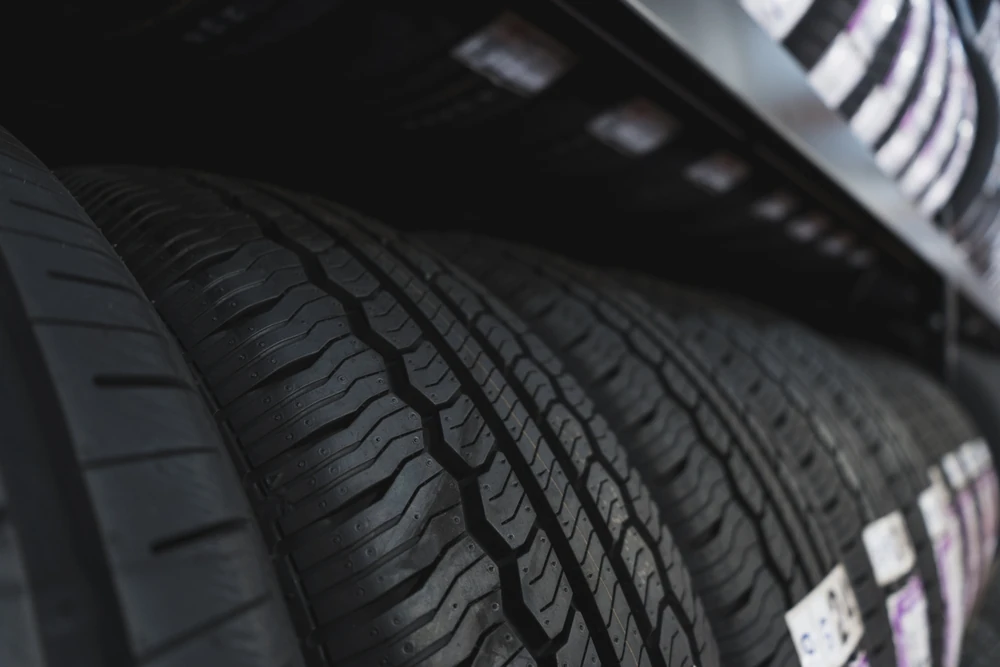
Cheap tyres and premium tyres can look similar at first glance, but the differences become clearer once construction, materials and on-road behaviour are considered. The gap is not just in branding. It comes down to how the tyre is engineered, how consistently it performs and how well it maintains that performance over time.
Price alone does not tell the whole story, but it often reflects the quality of the rubber compound, the construction methods used and the amount of research, development and testing behind the product. These factors influence braking, grip, comfort, fuel use and durability, particularly in wet conditions or emergency situations.
Premium tyres generally use more advanced rubber compounds designed to improve grip, tread life and fuel efficiency. These compounds are developed and tested extensively, with many models tuned for particular uses such as everyday touring, highway driving or higher-performance handling.
Budget tyres usually use simpler compounds that are cheaper to manufacture. This can involve trade-offs such as harder rubber that may wear reasonably well but offers less grip, especially in wet conditions, and lower silica content, which can reduce wet traction and increase rolling resistance.
Tread design is another major point of difference. Premium brands invest heavily in tread patterns designed to channel water away effectively, reduce road noise and keep a more stable contact patch on the road. Budget tyres may have more basic tread designs that perform adequately in ordinary conditions but are often less refined in heavy rain, at highway speed or as the tyre wears.
The internal structure of a tyre plays a major role in how it feels and performs. Layers of fabric, steel belts and reinforcement materials help determine strength, shape retention, ride comfort and stability. Premium tyres are usually built with higher-grade materials and tighter manufacturing tolerances, which leads to more consistent performance from one tyre to the next.
This can mean better roundness for smoother balance, improved heat control at highway speeds and stronger sidewalls that help the vehicle feel more stable during cornering or emergency manoeuvres. Budget tyres can still meet legal standards, but they may show greater variation in quality, weaker sidewalls and less refined construction overall.
The biggest differences between cheap and premium tyres are not always obvious on the first day of use. In many cases, they become more noticeable over time as the tyres wear and are exposed to different road and weather conditions.
Premium tyres are usually engineered to maintain more consistent performance throughout their usable life. Their compounds and tread patterns are designed to keep wet grip, braking ability and comfort at a higher level as the tread depth gradually reduces. Budget tyres may perform acceptably when new, but their grip and refinement can decline more quickly with wear.
Common issues with lower-cost tyres can include reduced wet-weather grip once the top layer wears down, faster or more uneven tread wear and a noisier, harsher ride as the tyre ages. Temperature can also affect performance. Premium tyres are typically tested across a wider range of conditions, while some budget tyres are better suited to moderate climates and may become harder and less grippy in colder or wetter weather.
Tyre quality has a direct effect on how safely a vehicle stops, turns and responds to driver input. The difference between a budget tyre and a premium tyre can show up in braking distance, steering precision, cornering stability and how confident the vehicle feels in poor conditions.
Higher-quality tyres generally combine more advanced compounds, better construction and more carefully developed tread patterns. These technical details translate into practical benefits on wet and dry roads, in city traffic and at highway speeds.
One of the most important differences between cheap and premium tyres appears under braking, particularly on wet roads. Premium tyres often use silica-rich compounds and tread designs that help the rubber remain more flexible and maintain better contact with the road surface.
Their tread patterns are usually better at dispersing water away from the contact patch, which reduces the risk of aquaplaning and helps shorten stopping distances. Budget tyres may still meet minimum safety standards, but they often do not match the wet braking performance of better-developed premium models, especially in sudden stops or heavy rain.
Tyre quality also affects how stable and predictable a vehicle feels in corners. Premium tyres are designed so the tread blocks and sidewalls remain more controlled under load, helping maintain a stable contact patch during cornering, lane changes and evasive manoeuvres.
Budget tyres can feel less precise in comparison. Softer sidewalls or less rigid construction may allow more flex, which can reduce steering sharpness and make the car feel less settled through bends. In practical terms, this can lead to earlier squeal in corners, less confidence at speed and a greater tendency for the vehicle to feel vague or unsettled when direction changes quickly.
Tyres have a major influence on overall driving feel. Premium tyres are usually developed to balance responsiveness with ride comfort, giving more accurate steering feedback without making the ride overly harsh. This can help the driver better sense grip levels and road conditions, which is valuable on wet or uneven surfaces.
Cheaper tyres may feel less responsive or more numb through the steering, especially at higher speeds. Noise and vibration also tend to be less well controlled. Premium tyres often use tread pattern design and noise-reduction features to reduce cabin roar, while lower-cost tyres may generate more road noise and transmit more harshness over coarse surfaces or bumps.
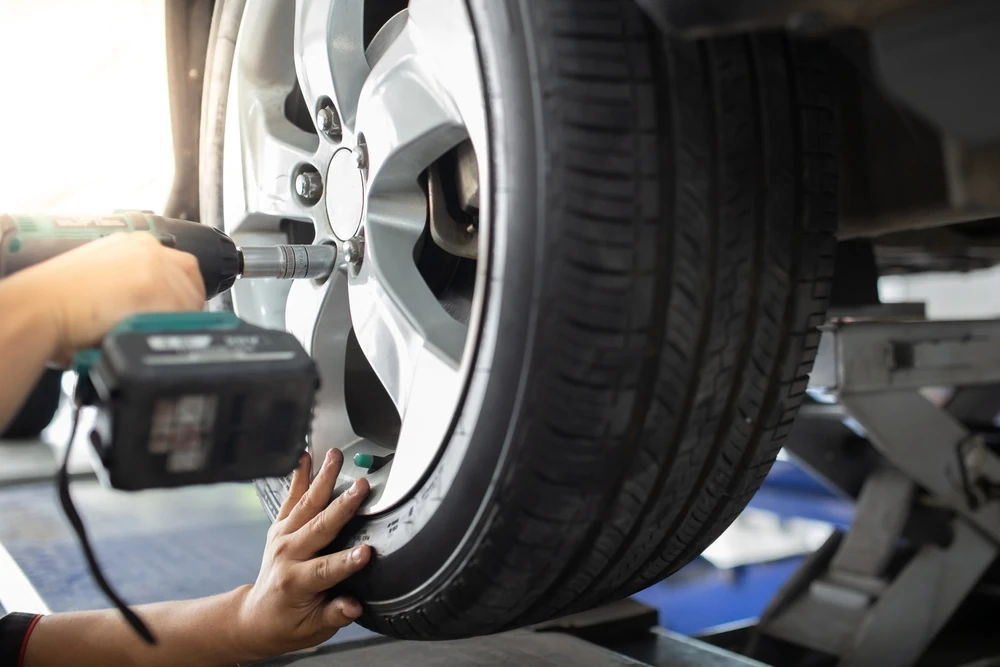
Premium tyres often last longer, but not in every case and not for every driver. Tyre life depends on the brand and model, the type of roads driven on, the vehicle setup and how well the tyres are maintained. In many everyday driving situations, a quality premium tyre will outlast a cheaper alternative, but the size of that gap can vary.
Tyre lifespan is measured by tread wear rather than age alone. Some drivers will see a noticeable difference in kilometres travelled before replacement, while others may not benefit as much if the tyres are worn by driving style, road conditions or poor maintenance.
Driving style plays a major role in tyre wear. Frequent hard acceleration, heavy braking and fast cornering will shorten the life of any tyre regardless of price. In urban driving, repeated roundabouts, tight turns and stop-start traffic can also wear the shoulders of the tread more quickly.
Road surface matters as well. Coarse-chip roads, potholes and rough regional routes are harder on tyres than smooth suburban roads. Vehicles that regularly tow or carry heavier loads also place more strain on the tyres, which can reduce tread life if the tyre is not suited to that use.
Rotation, wheel alignment and tyre pressure have a major effect on lifespan. A premium tyre that is underinflated or fitted to a poorly aligned vehicle can wear out faster than a cheaper tyre that is properly maintained. To get the most from any set of tyres, it helps to:
With proper maintenance, a good premium tyre will usually deliver more kilometres along with stronger and more consistent performance across its life.
Budget tyres can still be a practical option when they are chosen carefully and matched to the right type of driving. Cost alone does not determine whether a tyre is suitable. What matters is whether it meets the vehicle’s required specifications and whether its performance is appropriate for how the car is actually used.
In some situations, a well-chosen budget tyre can provide safe and reasonable everyday performance without the cost of a premium brand.
For vehicles that mainly travel short distances around the suburbs or only cover a few thousand kilometres each year, a budget tyre from a reputable manufacturer can be a sensible choice. In these cases, the tyres may age before they wear out, which can reduce the practical advantage of paying extra for maximum tread life.
Even so, the tyre should still meet the correct size, load and speed rating for the vehicle. Extremely cheap, unbranded imports are best avoided, as quality control and performance consistency can be far less reliable.
Budget tyres can also make sense on older vehicles or second cars that are used less often and are not driven in a demanding way. A small hatchback used for errands or a second vehicle that rarely leaves local roads may not justify the cost of premium touring or performance tyres.
In these situations, a quality budget or mid-range tyre can offer acceptable braking, predictable handling and fair value, provided it is chosen to suit the vehicle and driving conditions.
If a vehicle is likely to be sold or traded in the near future, a full set of premium tyres may not always make financial sense. A budget or mid-range tyre that meets the proper ratings and is professionally fitted can be a reasonable short-term solution.
Even when price is the main concern, safety should not be compromised. Tyres should always be correctly load- and speed-rated, professionally fitted and balanced, and matched appropriately across each axle.

Choosing tyres is not simply about deciding between cheap and premium. The better approach is to match the tyre to the vehicle, the roads it travels on and the way it is driven. This affects stopping distance, grip, comfort, noise and overall value.
For everyday city and suburban driving, a quality touring tyre is often the best fit. These tyres are usually designed for comfort, low noise, reliable wet-weather braking and good tread life. Budget options can work here, but premium tyres often provide better braking and maintain their performance more consistently as they wear.
For regular highway driving, stability, heat resistance and lower rolling resistance become more important. Premium tyres often perform better in this area, offering improved straight-line stability and sometimes a small gain in fuel efficiency.
For more performance-focused driving, a sport-oriented tyre may be appropriate, but this usually comes with faster wear and increased noise. For rougher regional roads or areas with potholes and gravel, stronger sidewalls and more durable construction should be prioritised over outright refinement.
The cheapest tyre is not always the best value. A tyre that wears out quickly, becomes noisy early or performs poorly in the wet can cost more in the long run than a better-quality option. When comparing tyres, it helps to consider:
A sensible choice is often not the most expensive tyre on the shelf, nor the absolute cheapest. It is the tyre that delivers the right mix of safety, durability and performance for the way the vehicle is actually used.
For many drivers, the best approach is to think in terms of use rather than branding. If the car is used mainly for short suburban trips and low annual kilometres, a reputable budget or mid-range tyre may be perfectly adequate. If the vehicle regularly carries family members, travels at highway speed, drives in heavy rain or covers longer distances, paying more for better wet grip, braking and stability is often worthwhile.
The key is to treat tyres as a critical safety component rather than just a consumable. They are the only point of contact between the vehicle and the road, so the decision should be based on performance and suitability as much as cost.
The difference between cheap and premium tyres comes down to more than branding. Premium tyres generally offer stronger wet and dry grip, shorter braking distances, better ride refinement and more consistent performance over time. Budget tyres can still be a suitable option in the right circumstances, particularly for lower-mileage urban driving or older second vehicles, but they often involve compromises that become more noticeable in demanding conditions.
Choosing the right tyre is about balancing cost with safety, performance and long-term value. When tyres are selected to suit the vehicle and the way it is driven, the result is a more informed decision and a safer, more predictable driving experience.


.webp)
.webp)